




 中文
中文 Italian
 Türkçe
 Português
 Español
 Deutsch
 العربية
 Tiếng Việt
 Français
 Русский
 한국어
한국어


Ms.Lizzy
Hi, this is Lizzy from Dinosaw ( Not a Robot ). Which Machine ( model ) do you want? Please WhatsApp us now


Open Hours:8:30am-20:30pm

WhatsApp: +86 198-5901-3937

 Mar 4, 20265 MIN READ
 Mar 4, 20265 MIN READ
Discover professional methods for cutting quartz countertops in stone processing factories. Learn essential CNC techniques, safety protocols, and equipment tips for flawless results in 2026. Perfect for fabricators seeking precision and efficiency.
For stone fabrication, mastering how to cut quartz countertops is a cornerstone of a successful business. The surging demand for quartz, prized for its durability and beauty, requires factories to deliver flawless results. This guide provides a comprehensive, in-depth look at the cutting process. We will explore essential equipment, advanced CNC techniques, and safe handheld saw practices to help your factory enhance efficiency, ensure safety, and produce superior quality quartz countertops.
Achieving a perfect cut begins long before the blade touches the stone. It demands a commitment to quality at every stage, from sourcing materials to investing in the right technology.
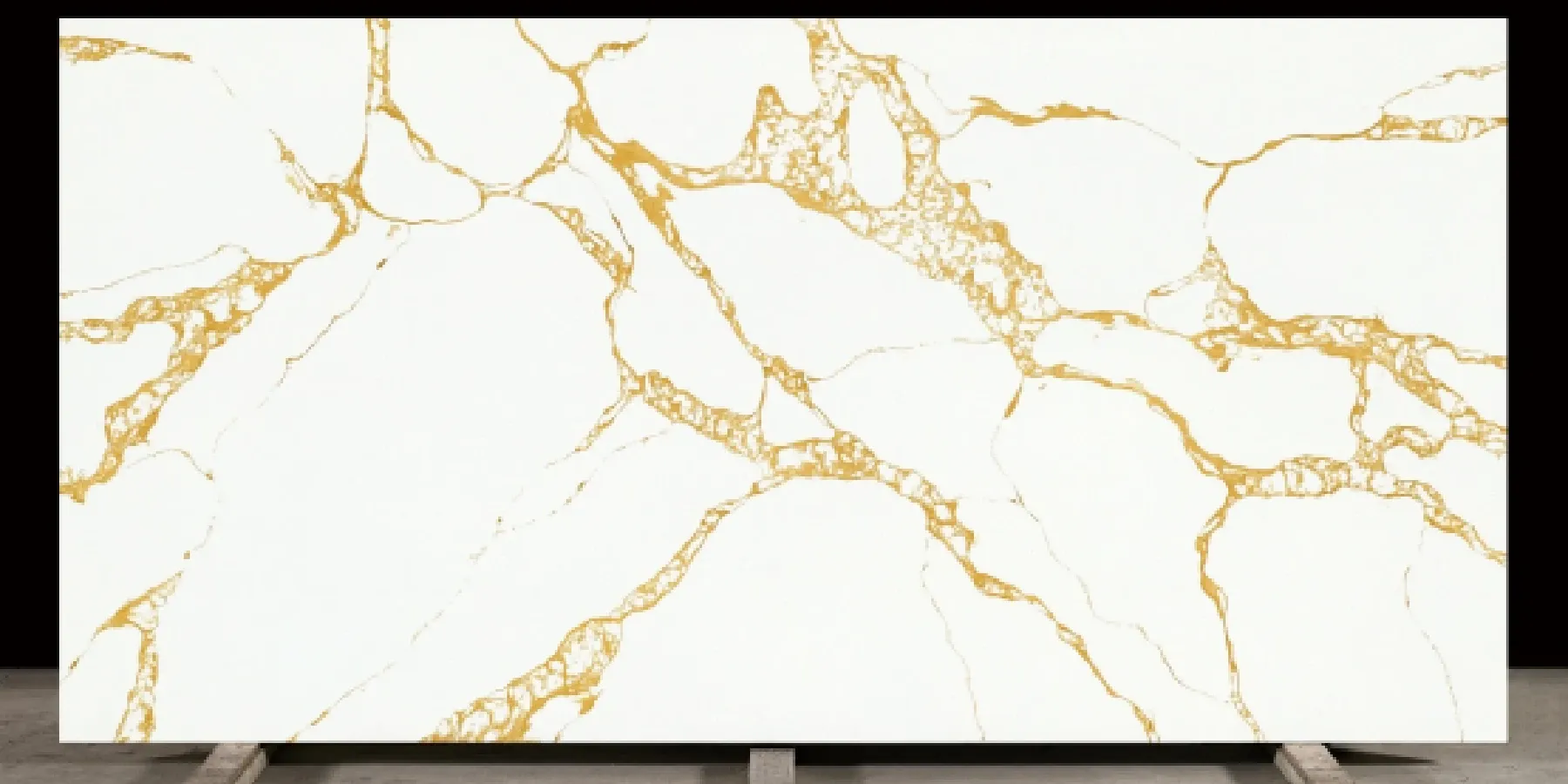
The final product's quality is intrinsically linked to the slab it is cut from. Reputable brands like Caesarstone and Silestone or leading quartz manufacturers like LBC Stone produce engineered stone with consistent density and structural integrity. Partner with suppliers who provide material specifications, including the resin-to-quartz ratio, as this affects the required cutting parameters. A rigorous quality control process for incoming slabs—inspecting for cracks, blemishes, or color inconsistencies—is crucial. A high-quality slab behaves more predictably during cutting, reducing costly mistakes and material waste.
Professional stone fabrication requires specialized tools. The hardness and composition of quartz demand equipment designed to handle its unique properties, as cutting corners will lead to chipping, burning, and inaccurate cuts.
A. The Indispensable Diamond Blade
The diamond blade is your most critical tool. For engineered stone, you must use a blade specifically designed for this purpose. These feature a harder metal bond to withstand quartz's abrasive nature, ensuring a longer blade life. They also have a specific segment design, such as narrow "J-slot" gullets, which reduce cutting stress and improve water flow for cooling. Finally, the high-quality industrial diamonds in the blade directly impact cutting speed and finish quality. Investing in premium blades pays dividends in reduced rework.
B. The Critical Water-Cooled System
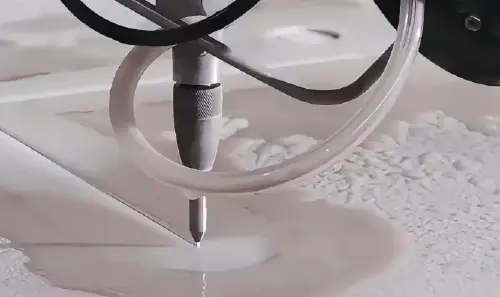
Cutting quartz generates immense heat that can damage the material and the blade. More importantly, it can release harmful silica dust. A robust, continuously operating water-cooled system is an absolute necessity. The water serves two primary functions: cooling and dust suppression. It dissipates heat to prevent the resin binders in quartz from burning and prolongs blade life. Critically, it suppresses respirable crystalline silica (RCS) dust, a known carcinogen that causes silicosis.
C. Advanced CNC Saws
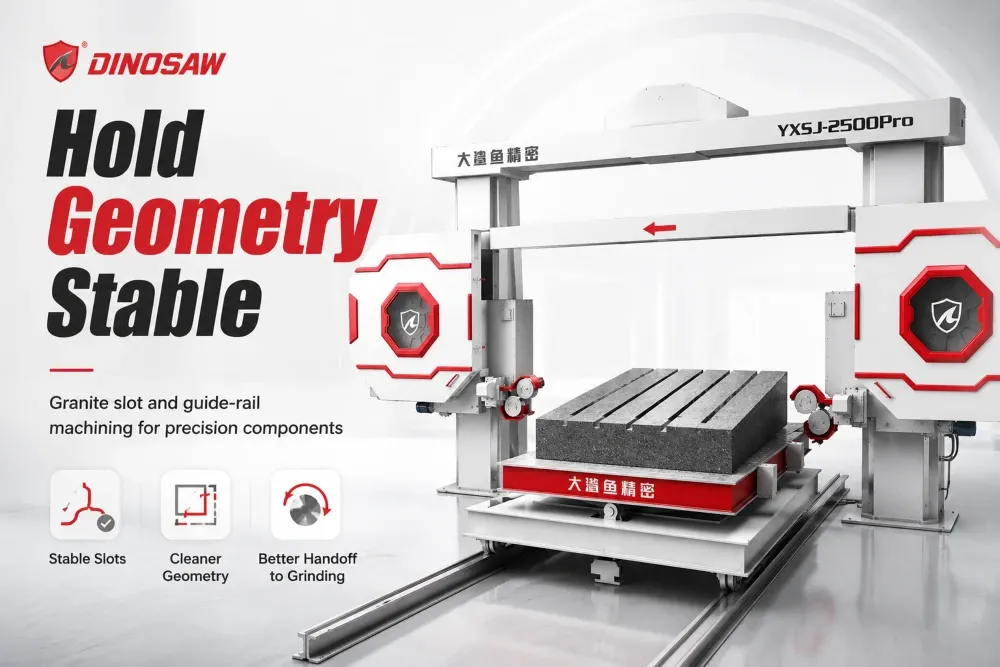
For modern factories, CNC (Computer Numerical Control) saws represent the pinnacle of efficiency and precision. Dinosaw CNC stone cutting Machines are engineered for the rigorous demands of quartz. Key benefits include unparalleled precision for intricate cuts, increased production speed through automation, and material optimization via nesting software to minimize waste. Furthermore, CNC machines enhance safety by reducing manual handling and worker exposure to dust and noise.
When considering a CNC saw, focus on spindle power and RPM. Quartz requires a motor of at least 20 HP (15 kW) and a Variable Frequency Drive (VFD) to control the RPM, typically between 1,000 to 3,000 RPM. This allows you to match the speed to the blade and material. Also, consider machine rigidity; a solid, vibration-dampening design ensures stability and reduces chipping. User-friendly software integration is also vital for maximizing the machine's potential.
An optimized factory workflow ensures consistency, efficiency, and safety. The process involves several critical stages from design to the final cut.
The process begins with precise digital templating using laser systems to capture exact dimensions. This data is imported into CAD/CAM software to finalize the design, including sink cutouts and edge profiles. Once the design is approved, the appropriate quartz slab is selected and undergoes a thorough visual inspection for any imperfections, ensuring it matches project specifications.
The selected slab is loaded onto the CNC saw cutting bed and securely held in place with vacuum pods or clamps. The operator then loads the digital design and sets the cutting parameters. This includes the spindle speed (RPM), the feed rate (cutting speed), and the depth of cutting. In my experience, for a 16-inch blade on 3cm quartz, a safe starting feed rate is 80-100 inches/minute. It is best practice to perform a test cut on a scrap piece, evaluating the cut quality by sight and sound, and checking the machine's ammeter to ensure the motor load is between 75-90%.
With parameters set, the CNC saw begins the automated cutting process, guided by a continuous, high-pressure stream of water to cool the blade and suppress dust. The machine executes the programmed cuts with flawless precision. After the cuts are complete, the pieces are carefully unloaded and inspected. If the design includes mitered edges for a waterfall or thicker appearance, the CNC machine performs these cuts with high accuracy, often using automatic height sensors for a seamless result.
While CNC machines are ideal, handheld saws may be necessary for on-site adjustments. This method requires significant skill and strict adherence to safety protocols.
First, assemble the essential tools: a high-quality circular saw with a diamond blade for quartz, a continuous water-feed system, measuring tape, a straight edge for guidance, and clamps to secure the slab. Personal Protective Equipment (PPE) is non-negotiable and must include safety glasses, hearing protection, and an N95 or P100 respirator.
The process involves carefully marking the cut line, securing the slab to a stable workbench, and preparing the saw with a continuous water flow. Never attempt to cut through the slab in a single pass. Start with a shallow scoring pass to create a guide, then gradually increase the depth with each subsequent pass, moving slowly and steadily. Maintain constant water to make your cutting work safer. Ensure the cut-off piece is supported to prevent it from breaking off and causing chipping.
Safety in a quartz fabrication facility cannot be overstated, with the primary concern being respirable crystalline silica (RCS) dust. Key safety measures include mandatory wet cutting for all processes, effective local exhaust ventilation (LEV) systems, and proper use of PPE, especially N95 or P100 respirators. Excellent housekeeping with wet methods or HEPA-filtered vacuums is essential to prevent dust accumulation. Furthermore, comprehensive employee training on silica hazards and a medical surveillance program are crucial components of a safe work environment.
Cutting quartz countertops is a complex process demanding precision, the right equipment, and an unwavering commitment to safety. For stone processing factories, investing in high-quality materials, advanced diamond blades, robust water-cooled systems, and state-of-the-art CNC machinery is fundamental to achieving superior results. By embracing these guidelines, your factory can meet the growing demand for quartz countertops and set new benchmarks for quality, safety, and profitability. The future of stone fabrication is precise, efficient, and safe—and it starts with mastering how to cut quartz countertops.
 English
Get A Easy Solution
Chat Online
Hi, this is Lizzy from Dinosaw ( Not a Robot ). Which Machine ( model ) do you want? Please WhatsApp us now
Hello 👋 How can we help?