





 中文
中文 Italian
 Türkçe
 Português
 Español
 Deutsch
 العربية
 Tiếng Việt
 Français
 Русский
 한국어
한국어


Ms.Lizzy
Hi, this is Lizzy from Dinosaw ( Not a Robot ). Which Machine ( model ) do you want? Please WhatsApp us now


Open Hours:8:30am-20:30pm

WhatsApp: +86 198-5901-3937

Machinable Materials
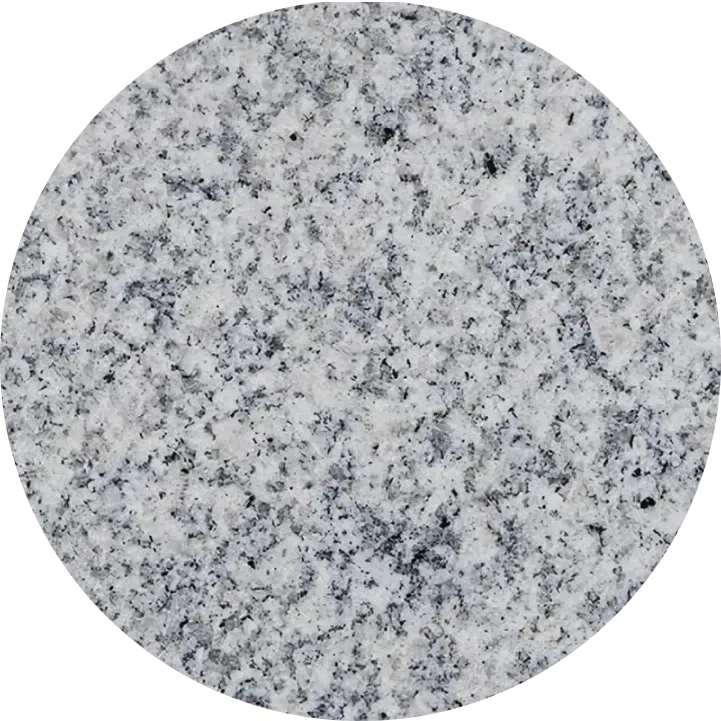
Granite
Marble
luxurystone
concrete
carbon fiber
resin
graphite
rubber
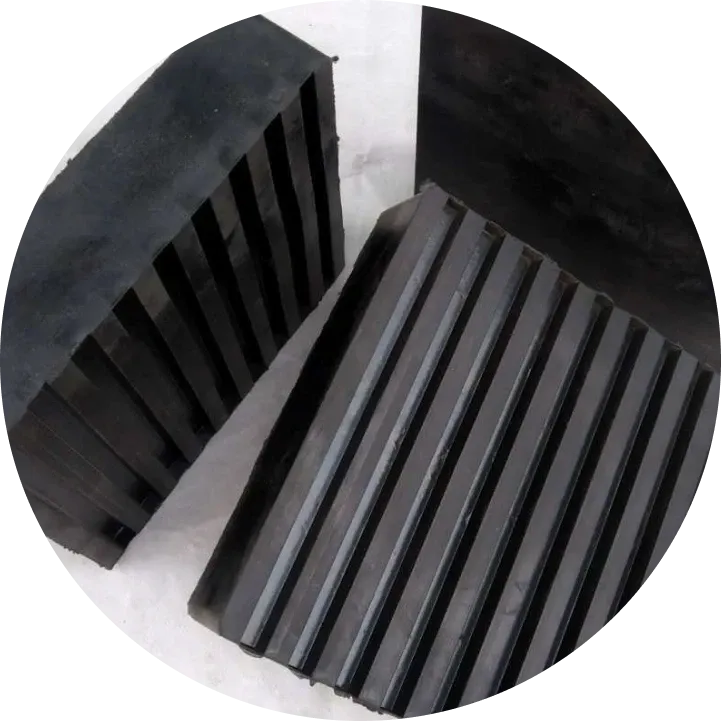
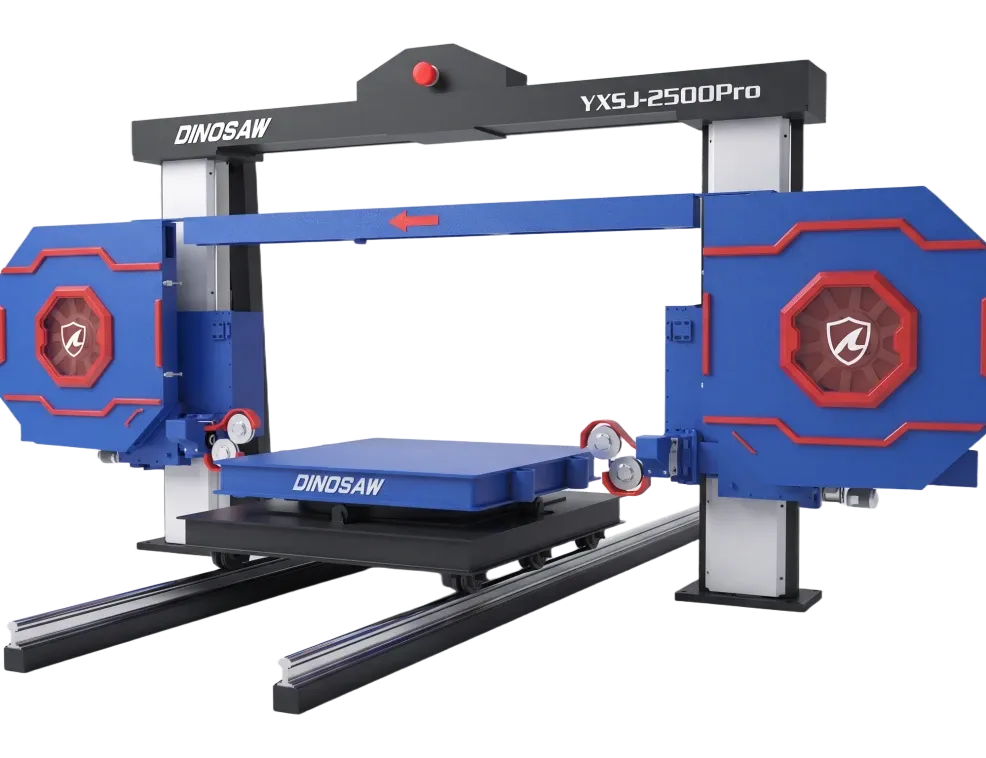
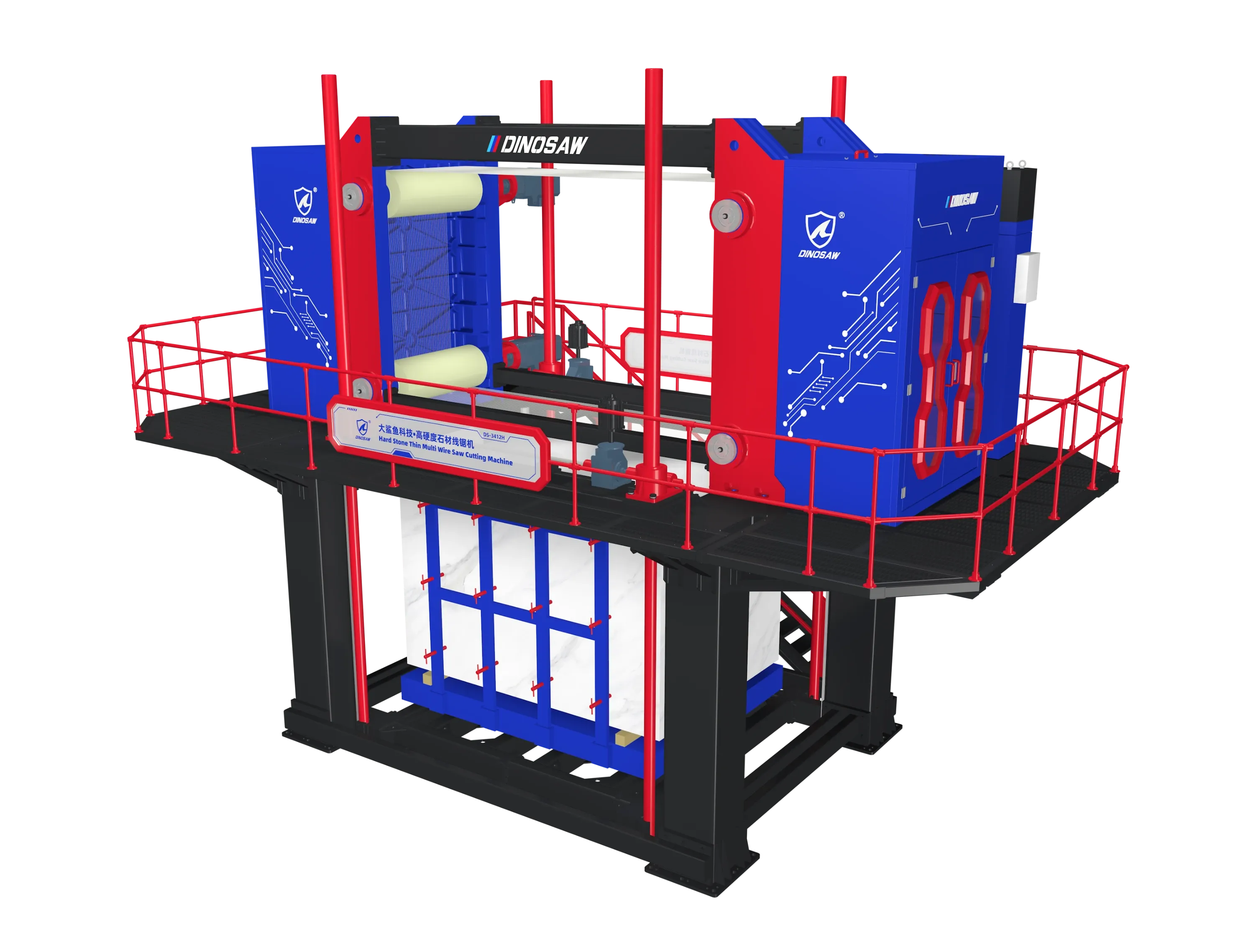
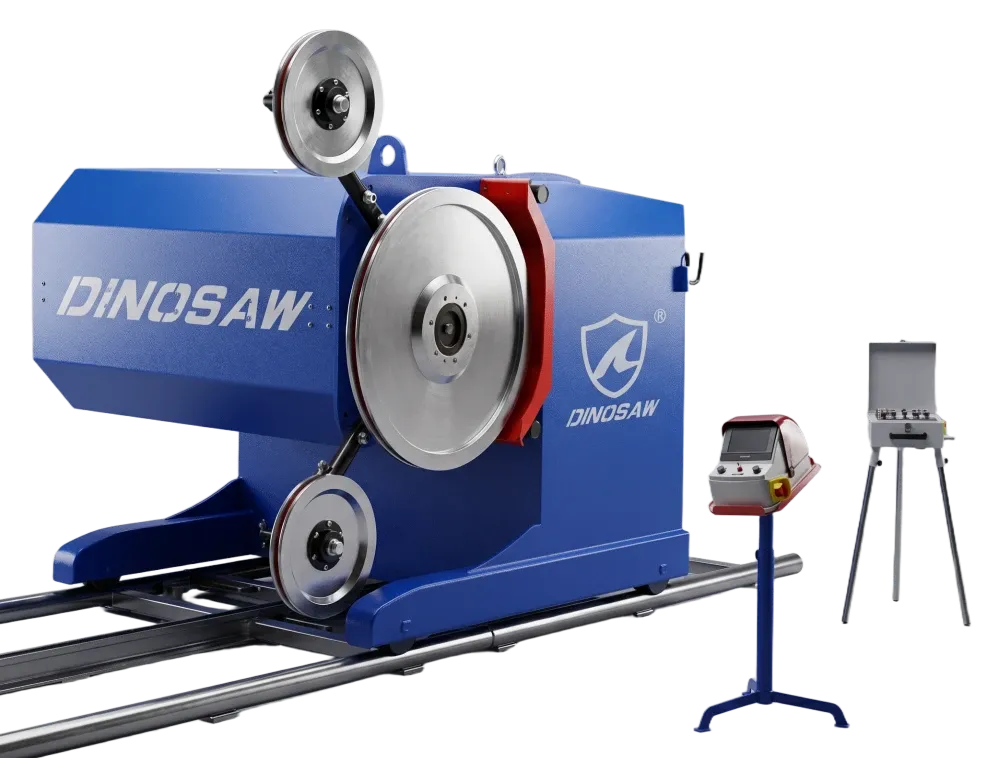
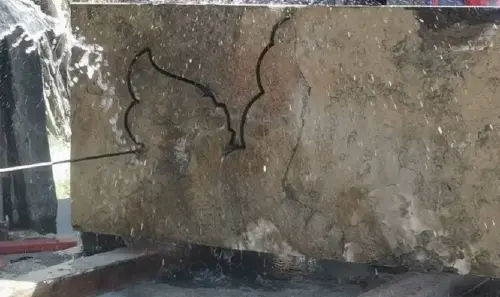
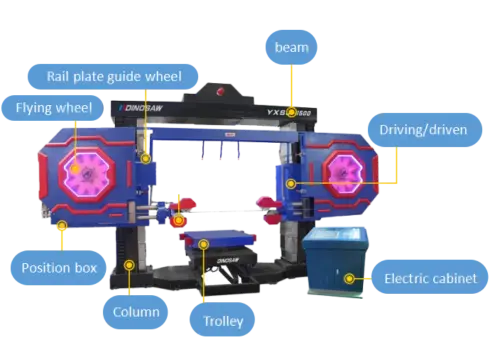
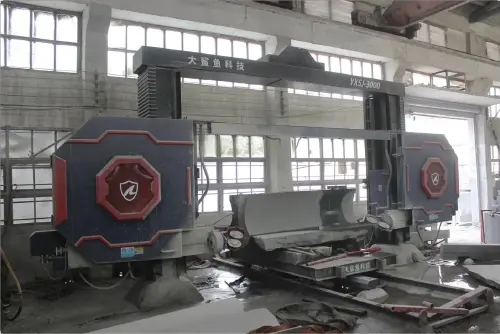
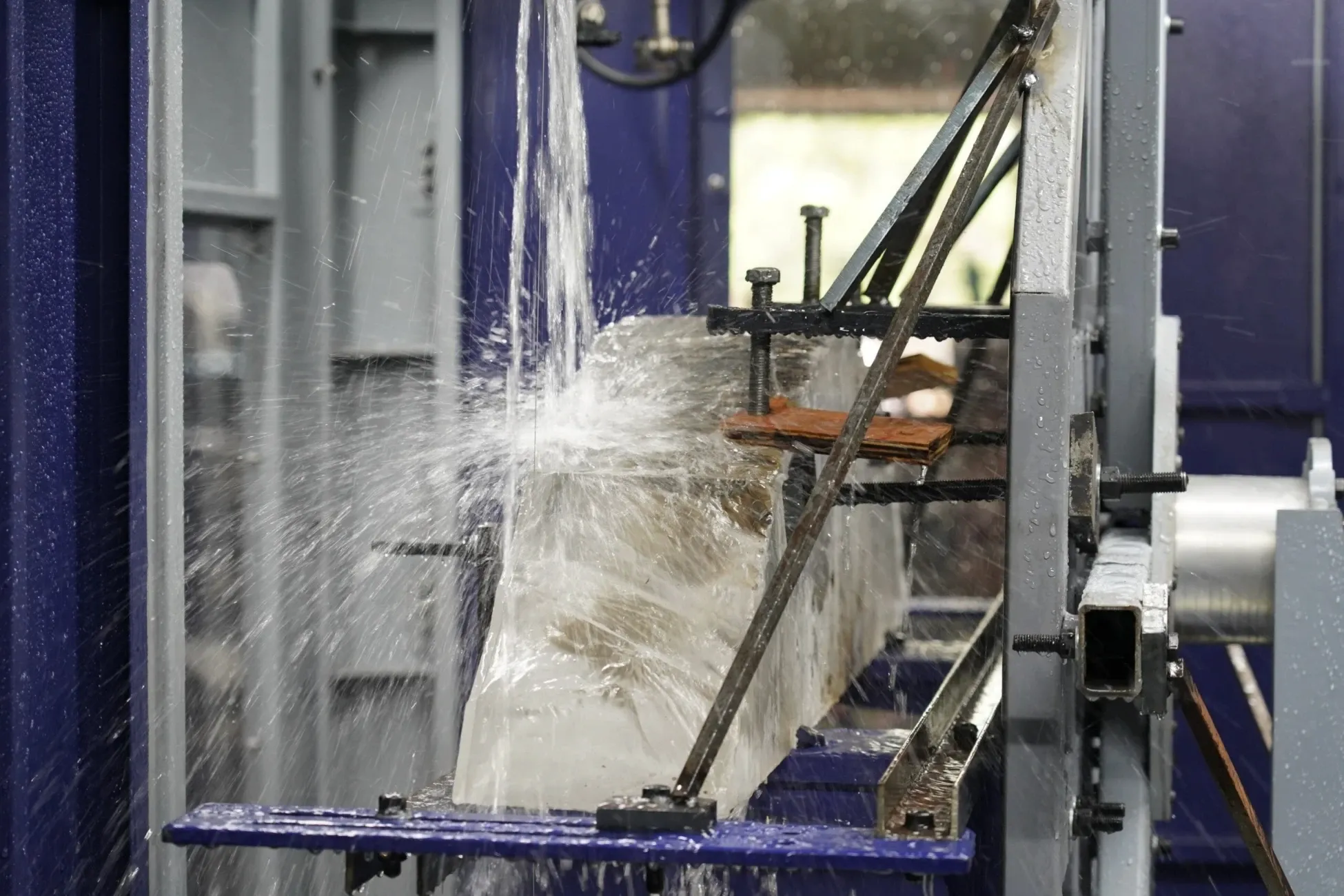
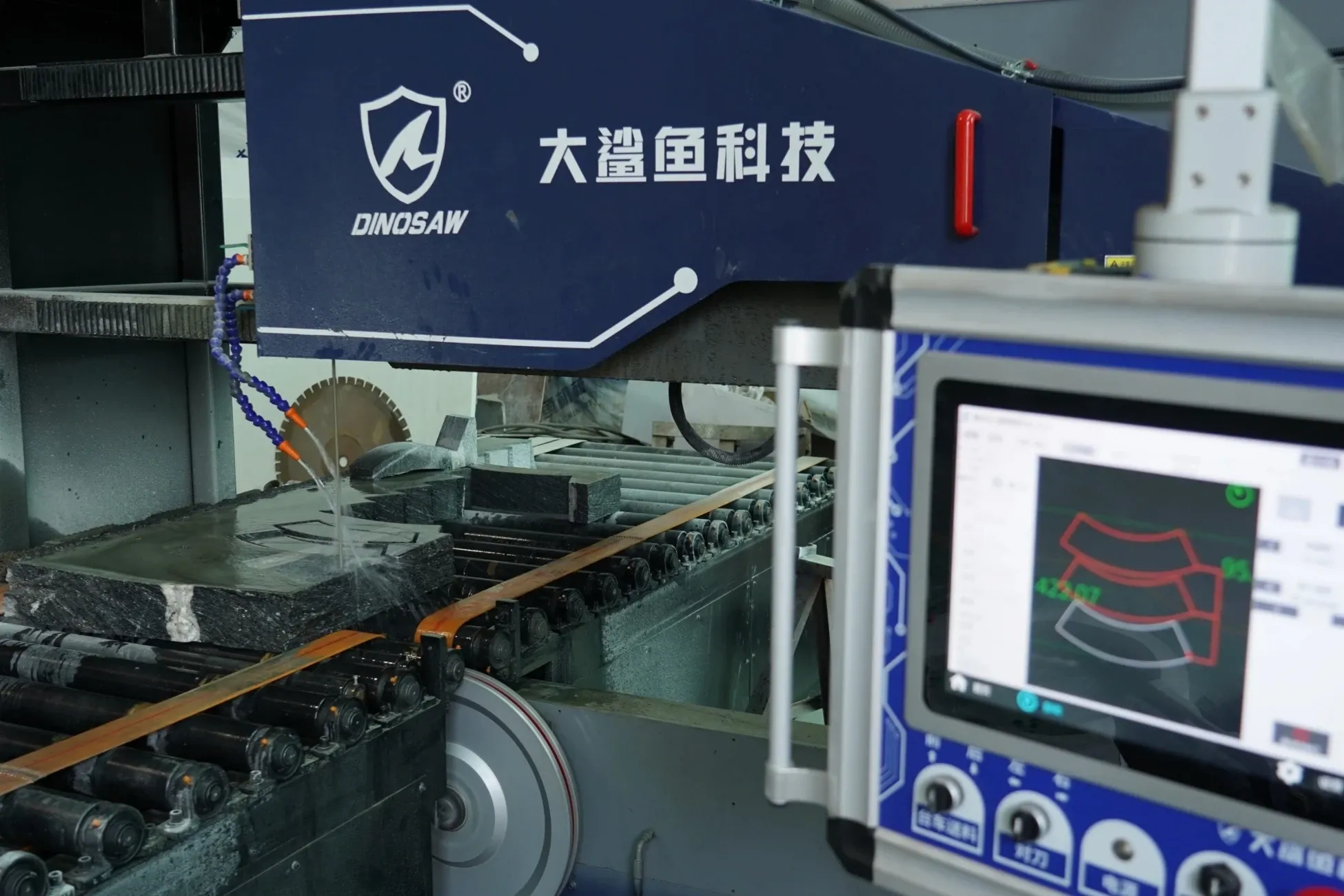
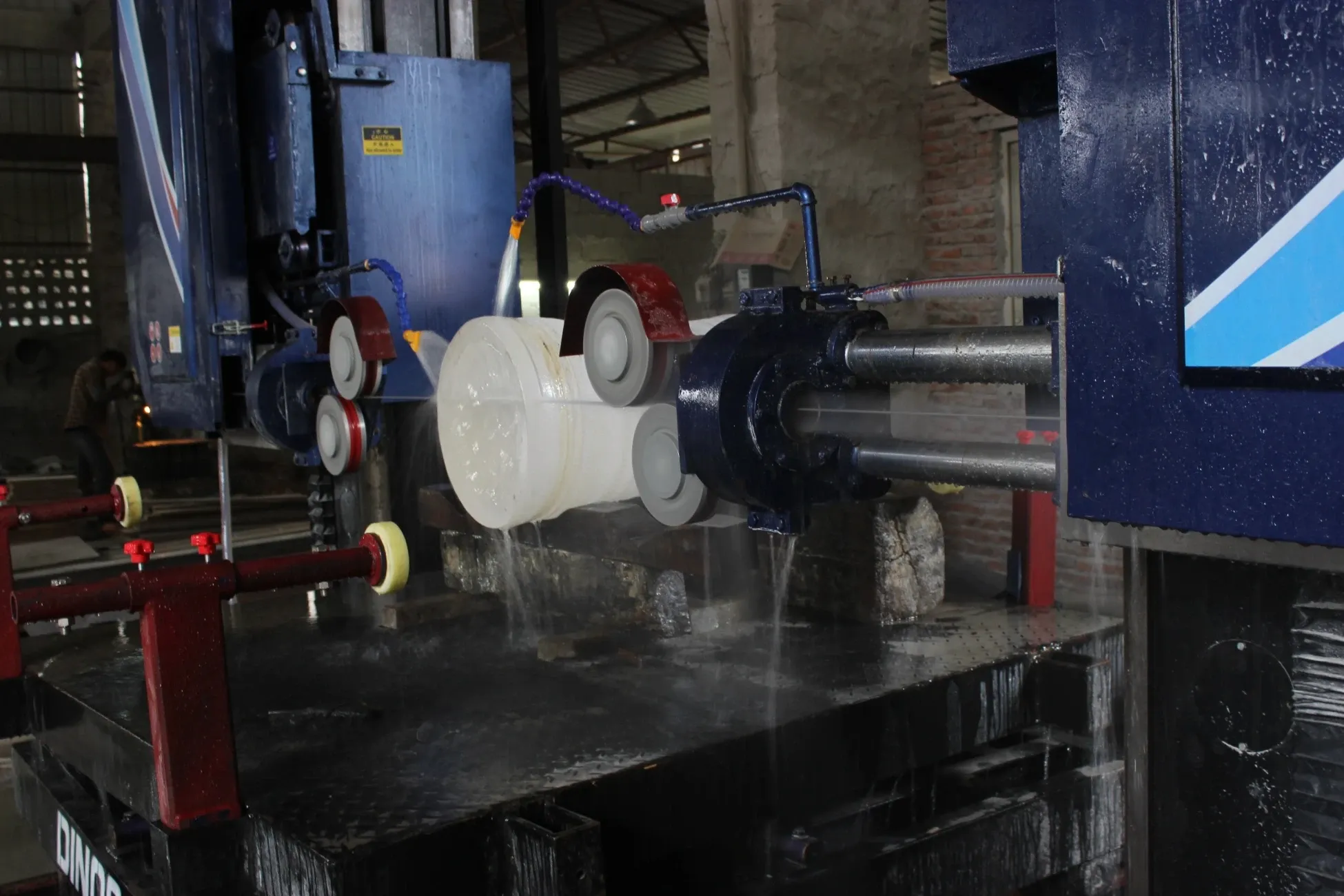
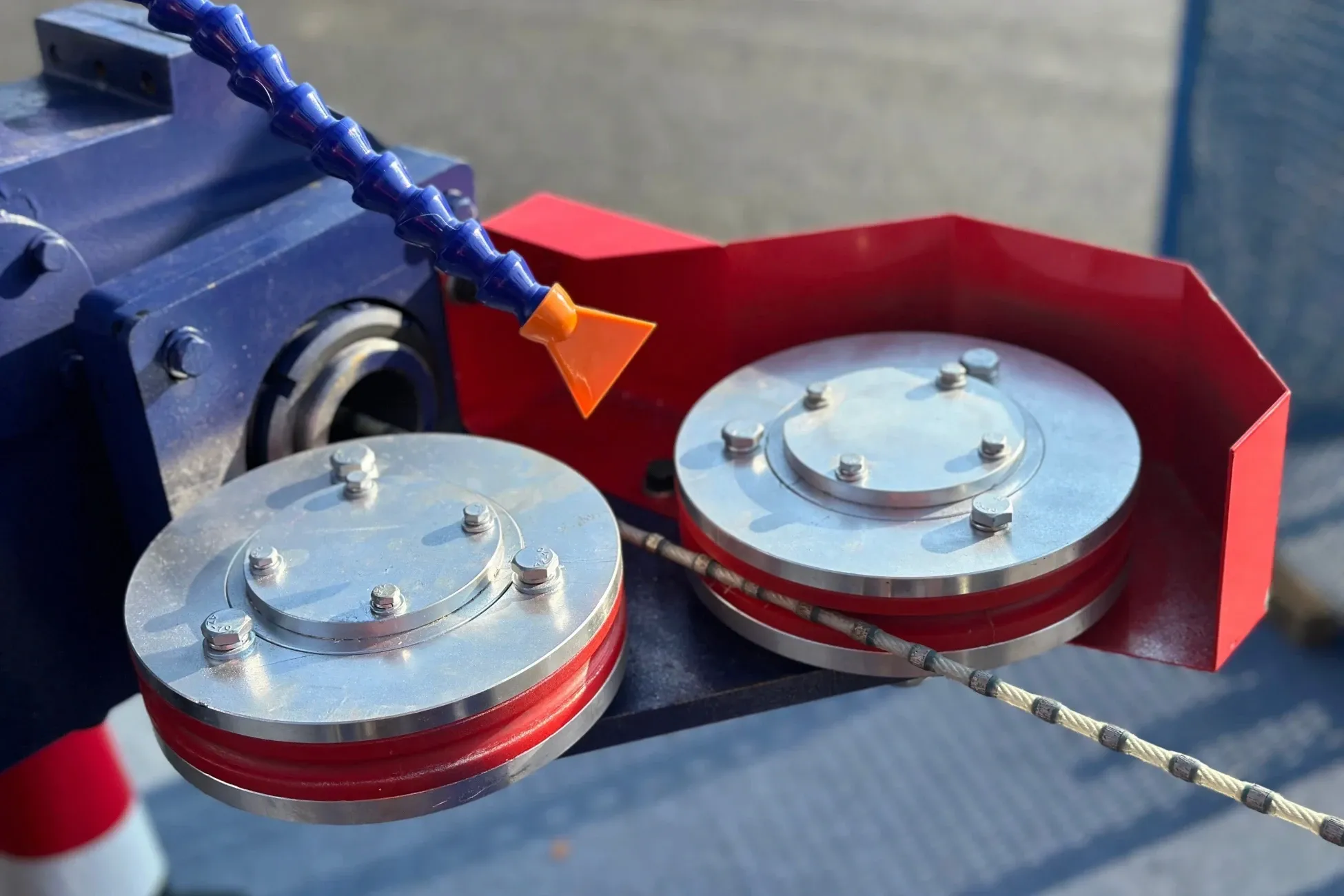
Diamond wire saw machines are used for stone block cutting, quarry cutting, contour cutting, and precision cutting of irregular stone shapes where cutting flexibility matters. Typical products in this category include quarry wire saw machines, block squaring wire saw machines, CNC wire saw machines, and multi-wire saw machines for slab production.
These machines are commonly applied to granite, marble, sandstone, and other natural stone materials in quarry extraction, block preparation, slab cutting preparation, monument shaping, and custom profile work. This category is especially relevant when the process involves large blocks, irregular geometry, or applications where conventional blade-based cutting is less suitable.


Machinable Materials
Granite
Marble
luxurystone
concrete
carbon fiber
resin
graphite
rubber
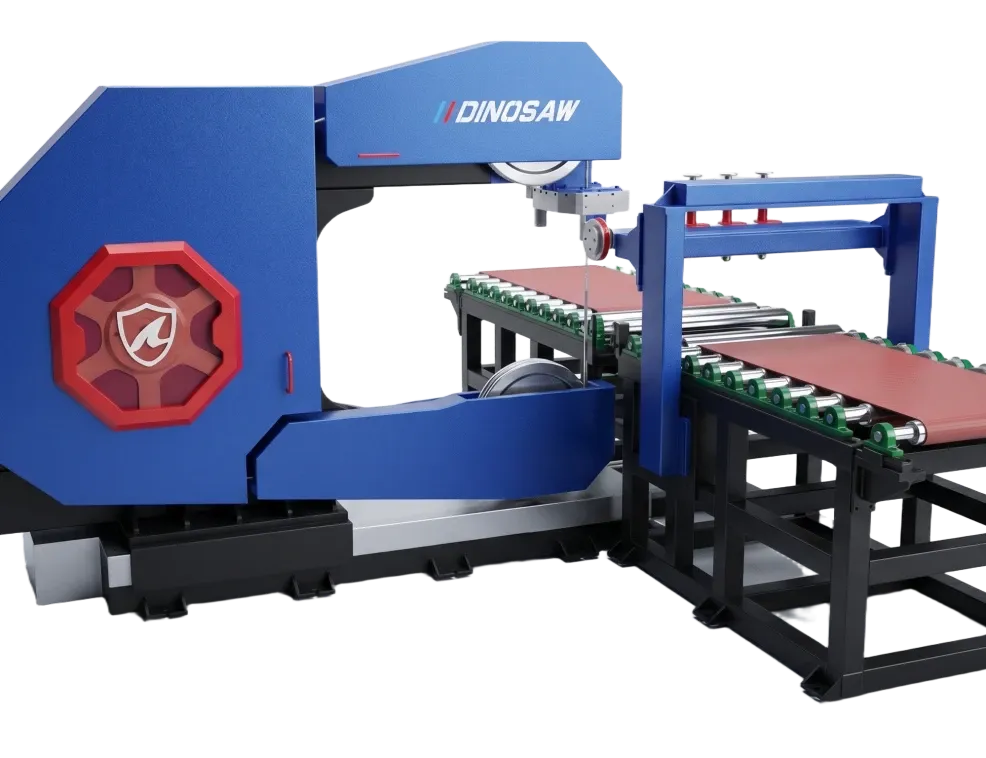
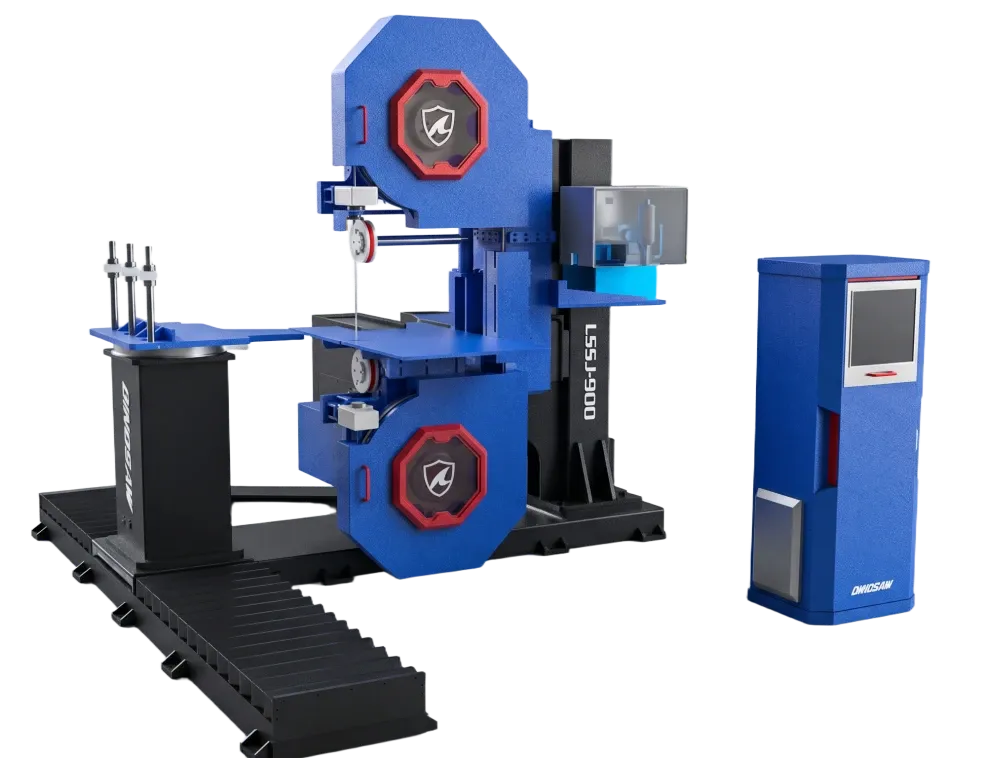
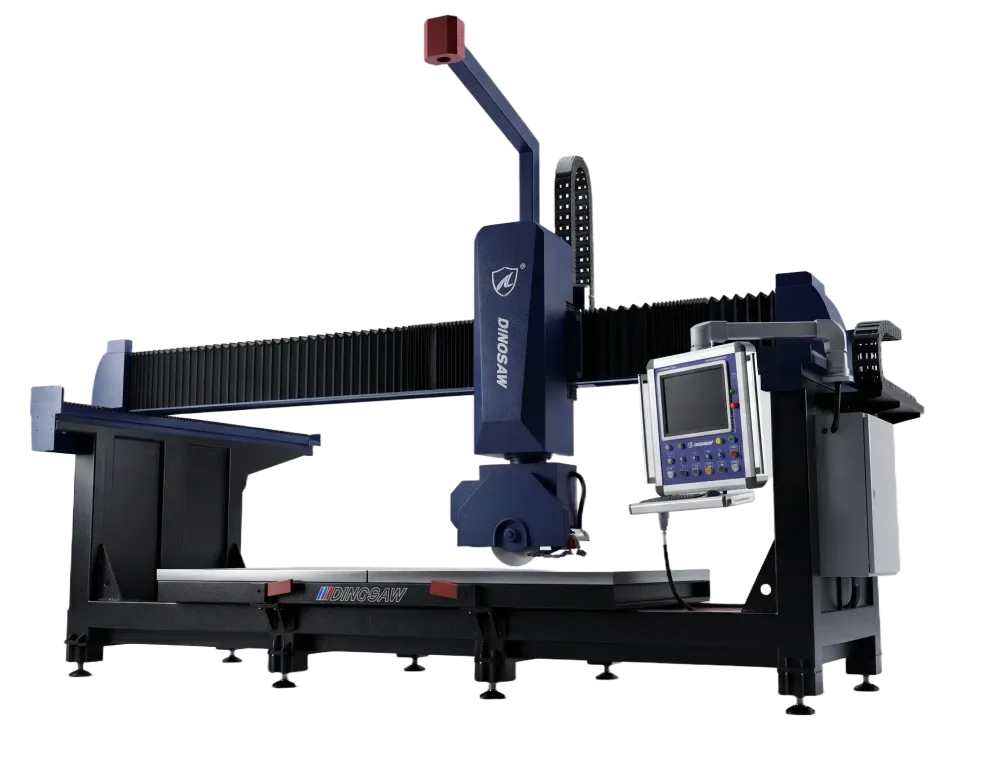
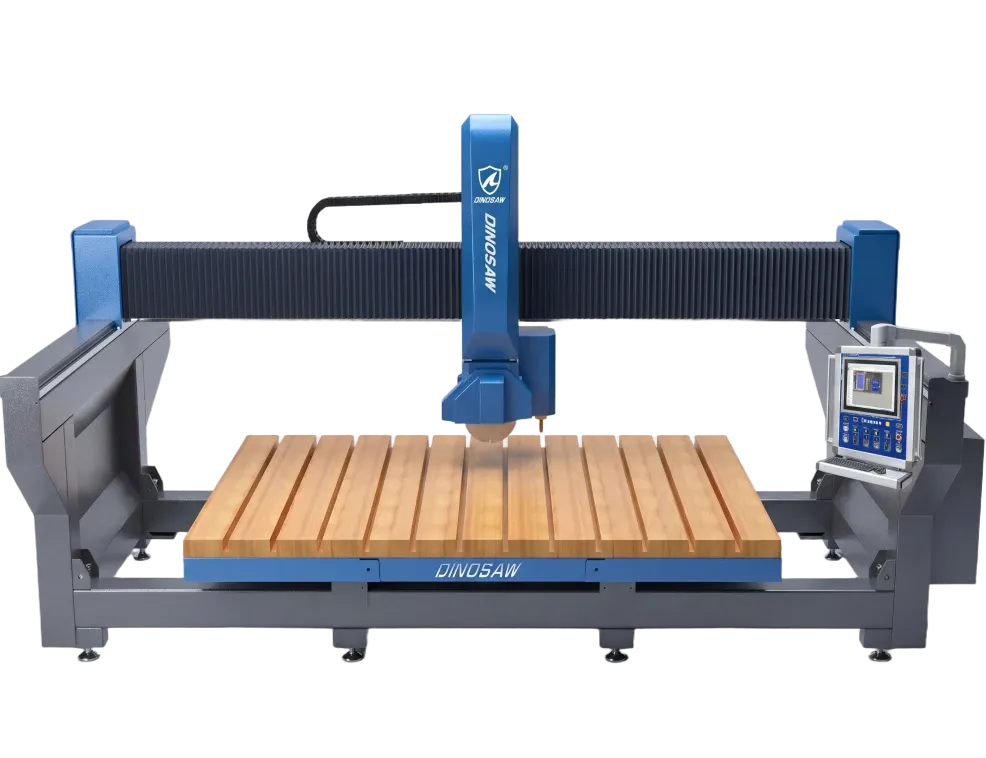
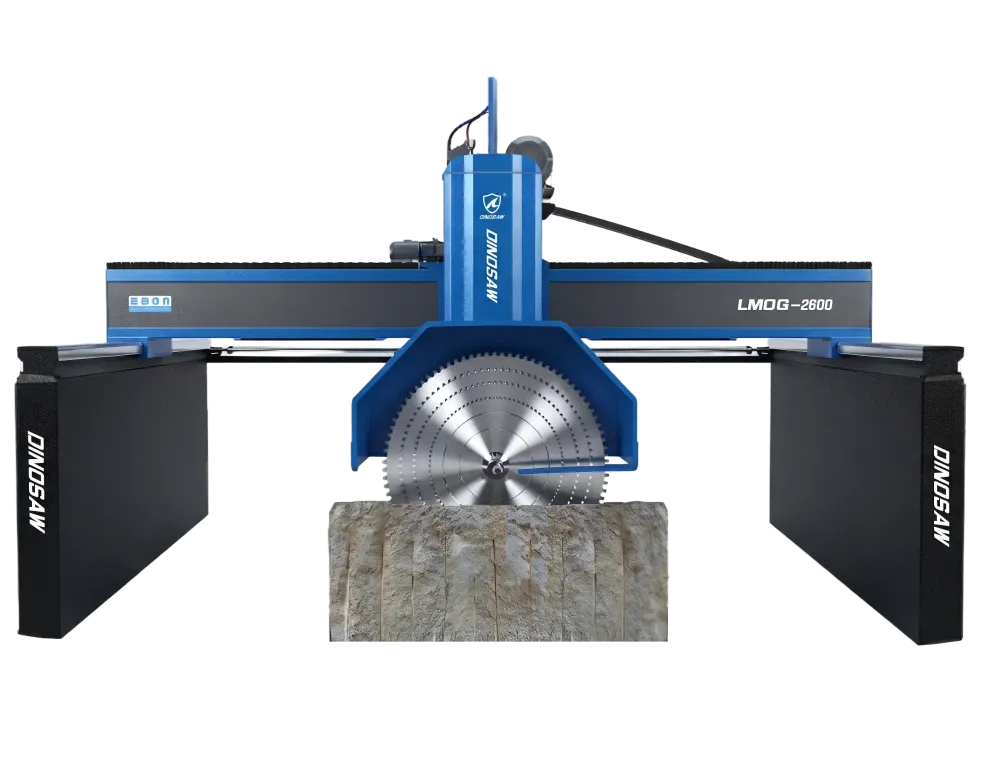
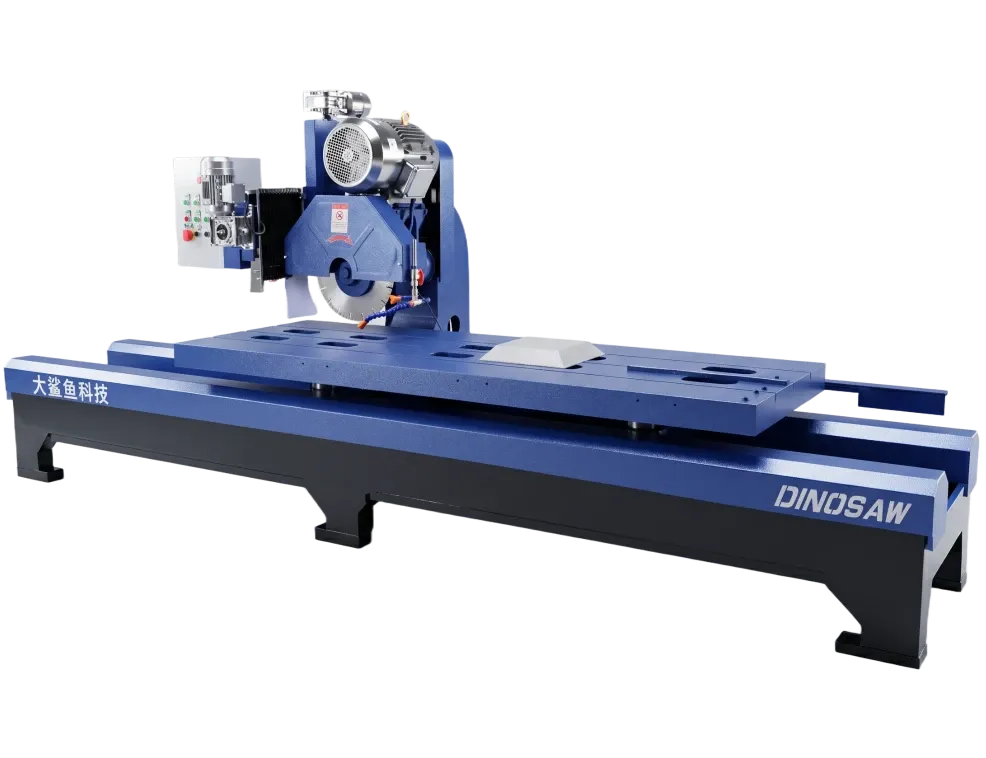
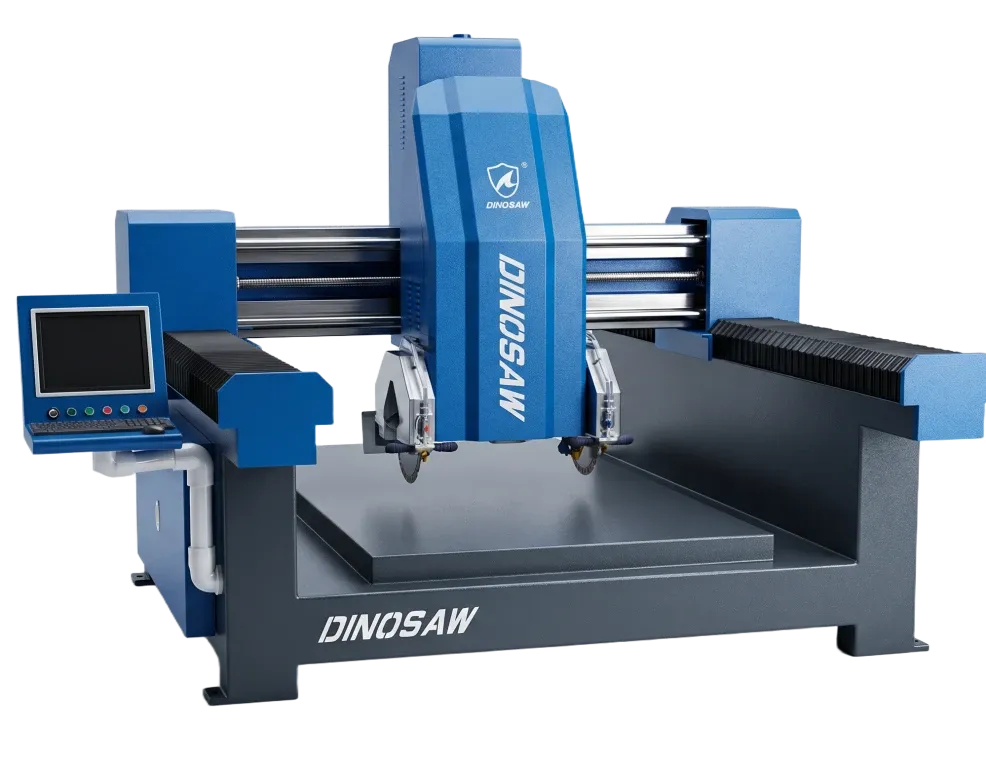
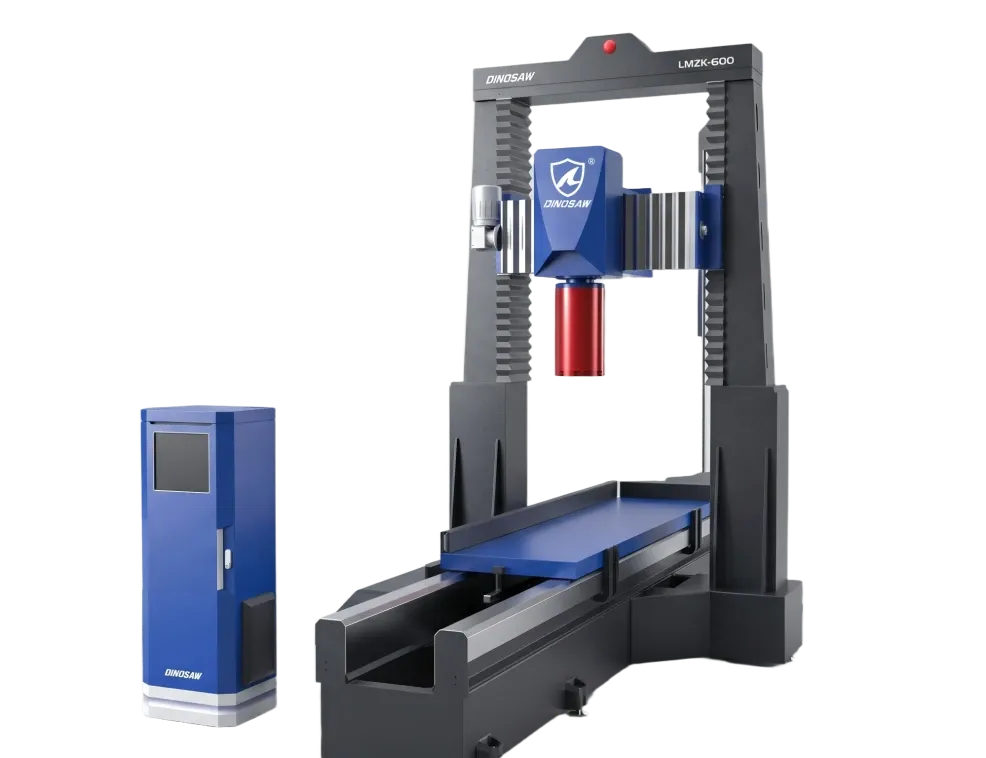
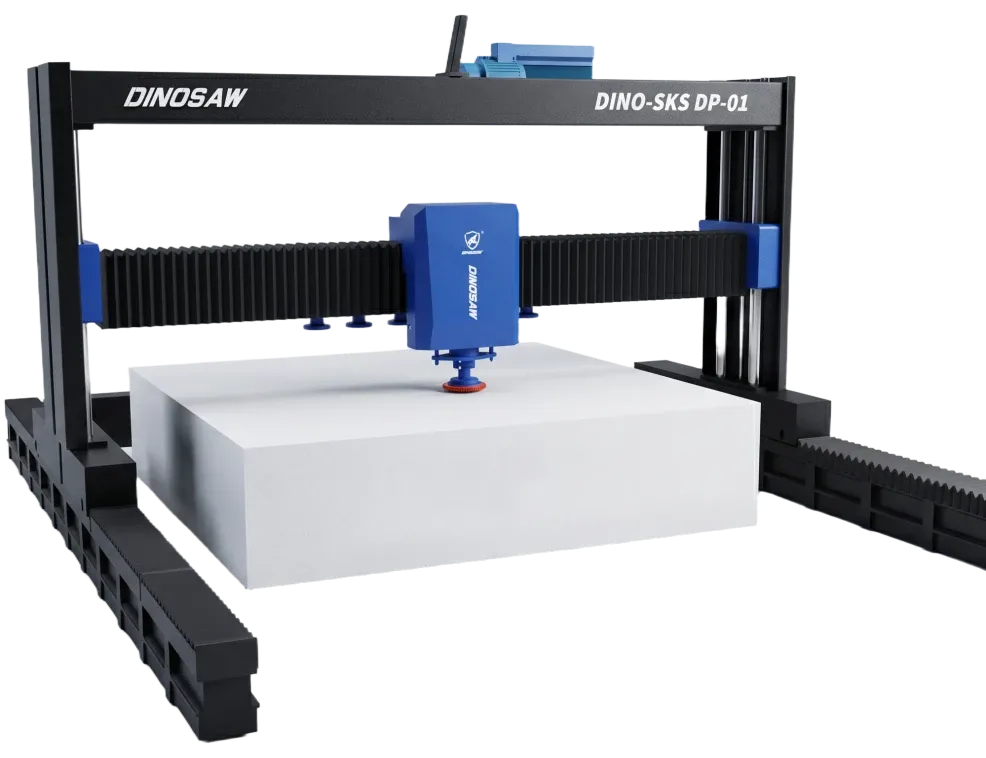
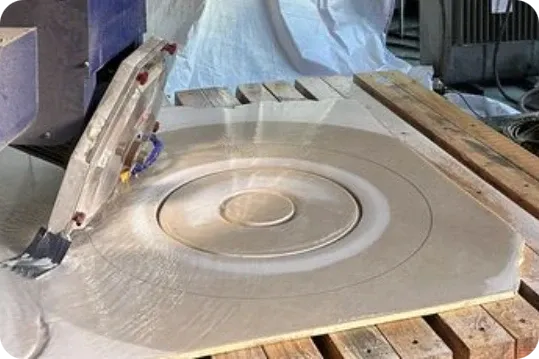
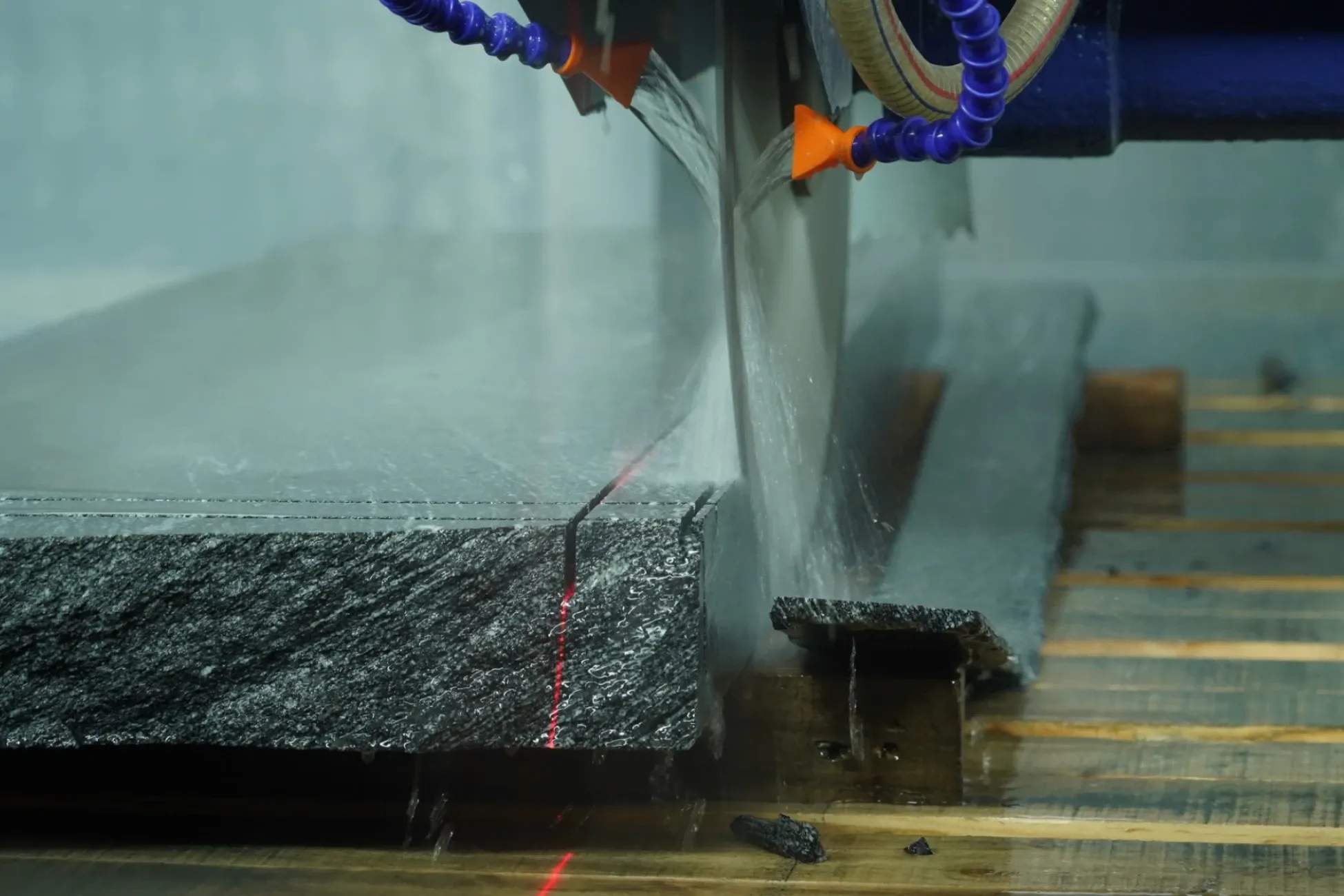
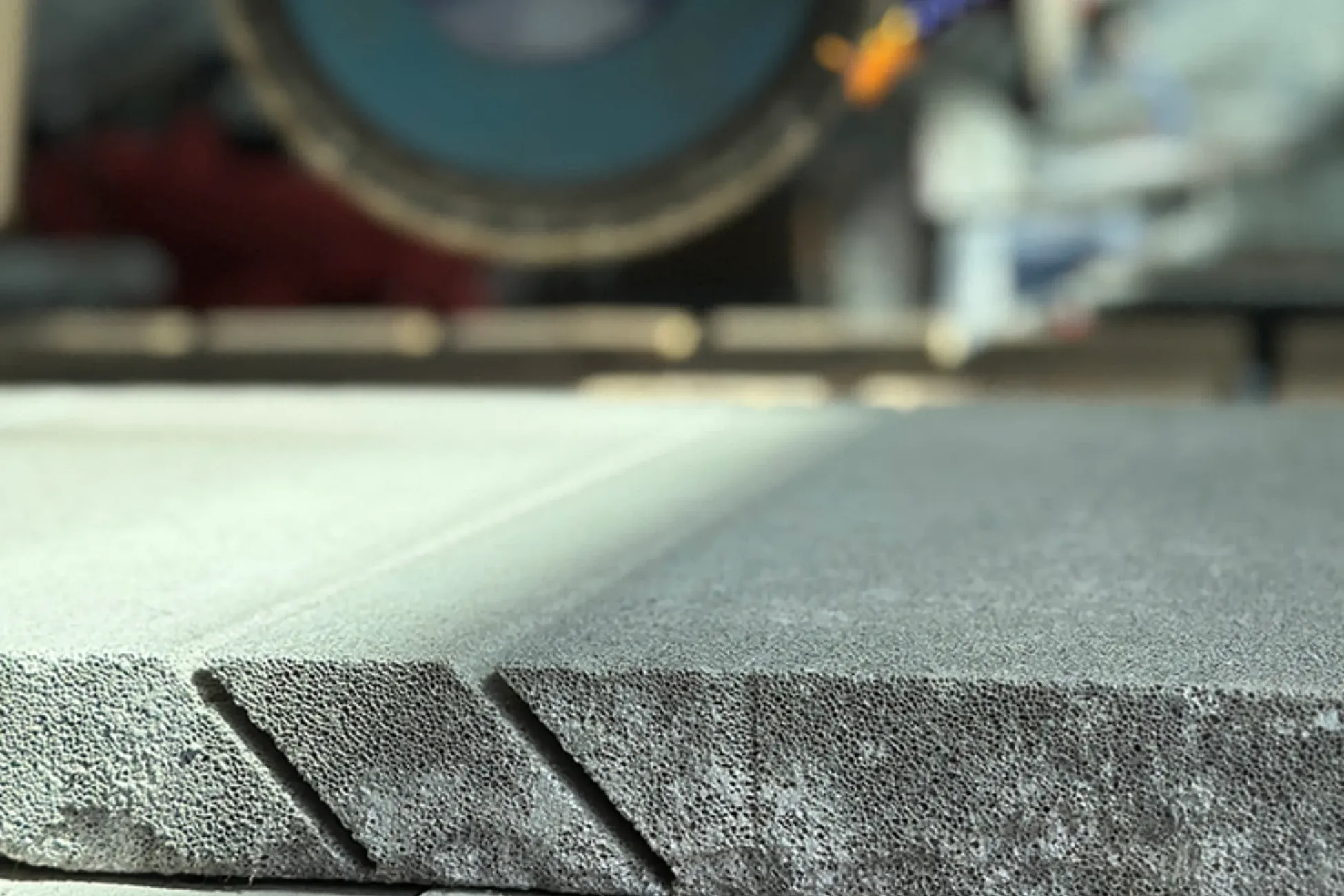
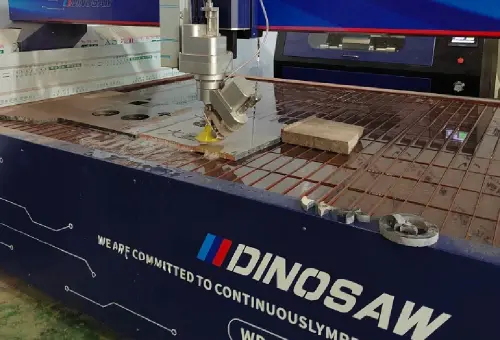
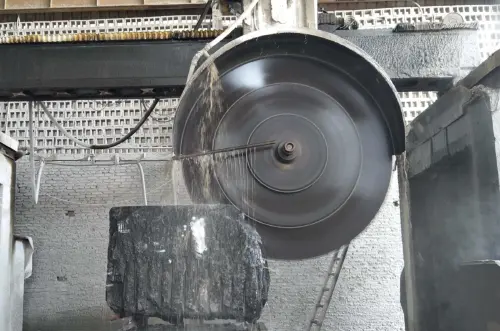
Stone cutting machines are used for slab cutting, straight cutting, block squaring, and production cutting in stone factories. Typical products in this category include bridge saws, block cutters, manual stone cutting machines, and CNC stone cutting machines.
These machines are commonly applied to granite, marble, quartz, and other stone materials in slab production, countertop cutting, bridge cutting workflows, and general stone fabrication where cutting speed, dimensional consistency, and production stability matter. For many stone factories, this is the main category reviewed after rough block preparation.
Machinable Materials
Granite
Marble
luxurystone
concrete
carbon fiber
resin
graphite
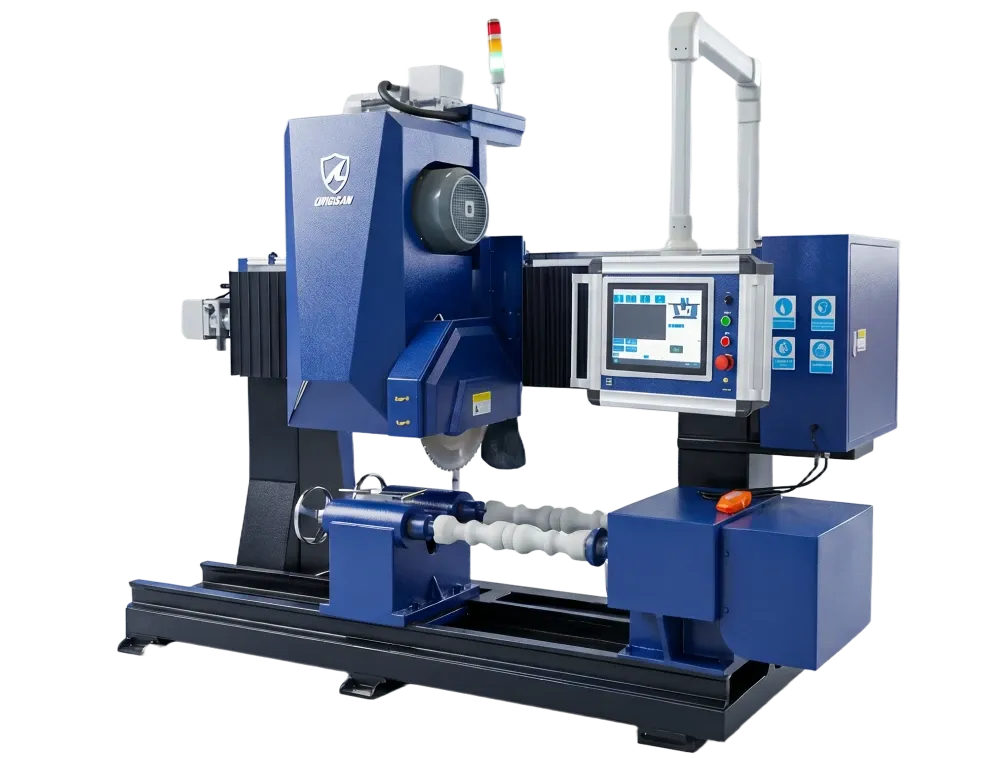
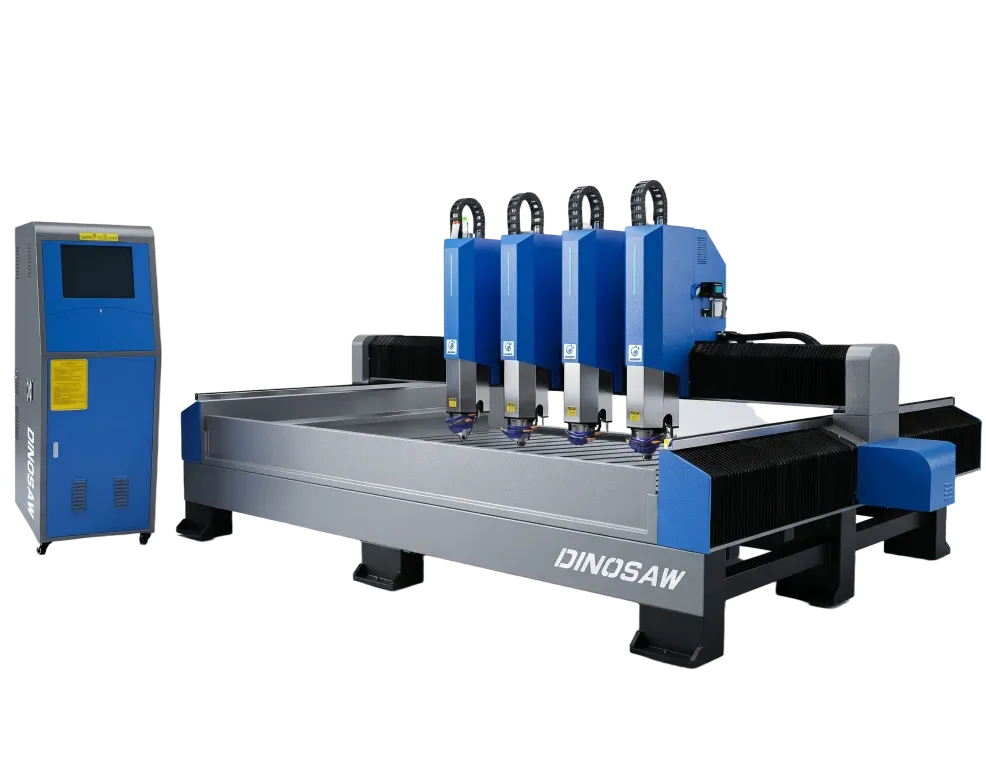
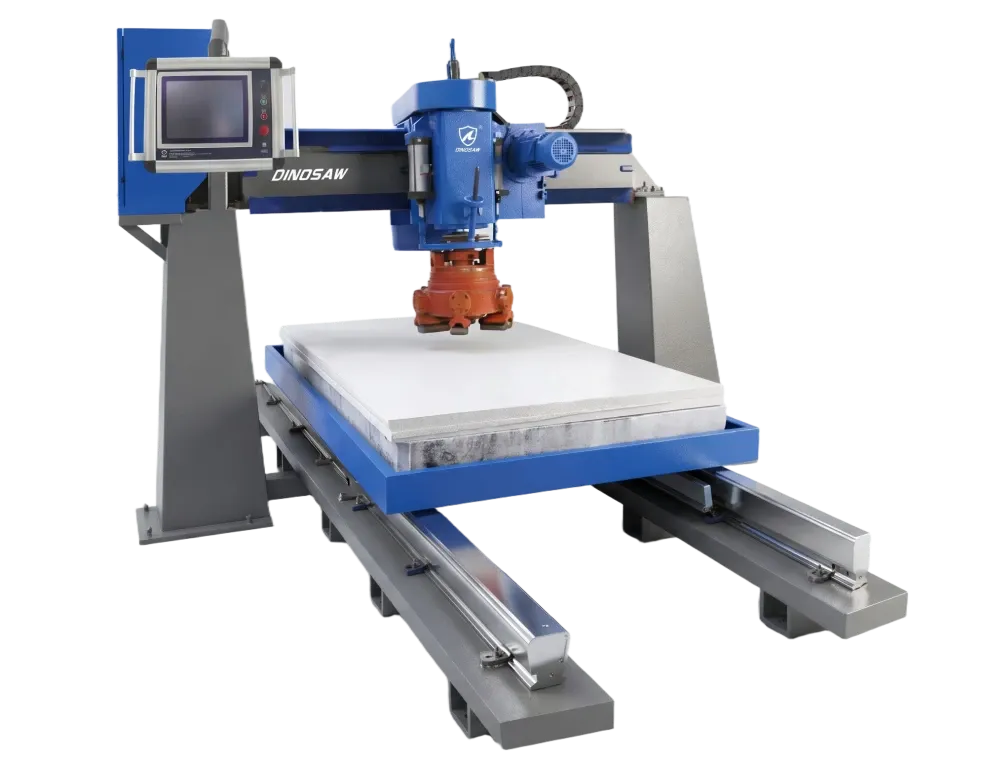
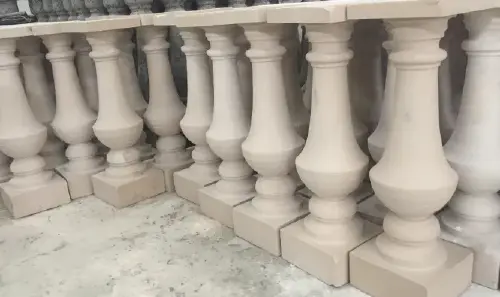
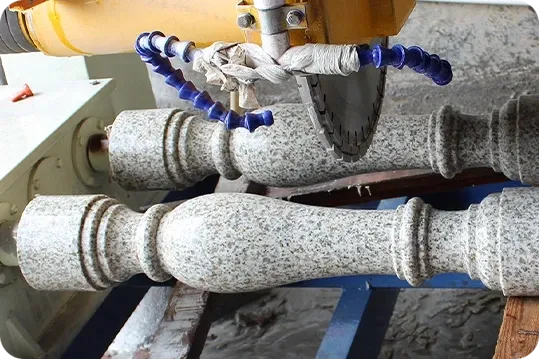
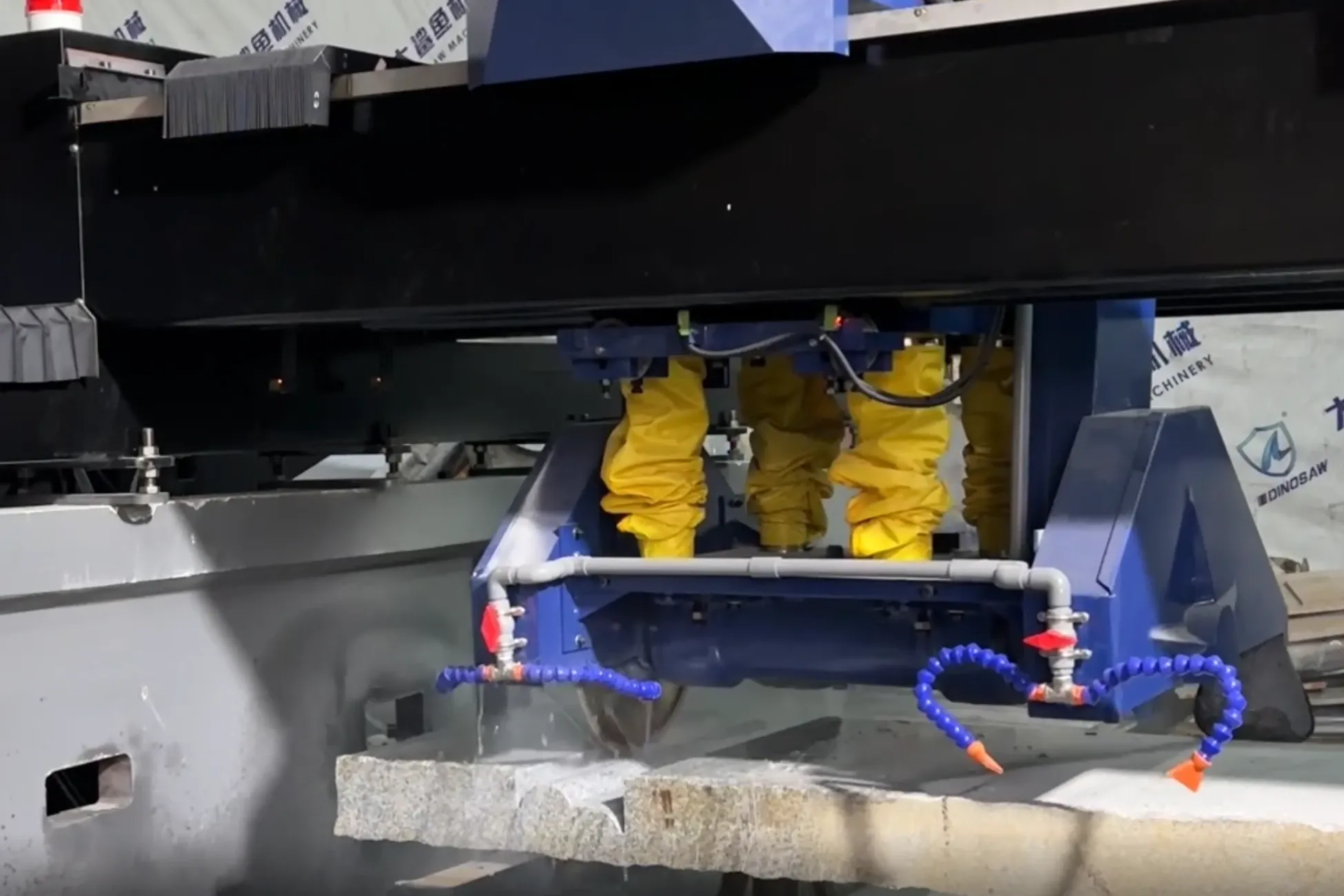
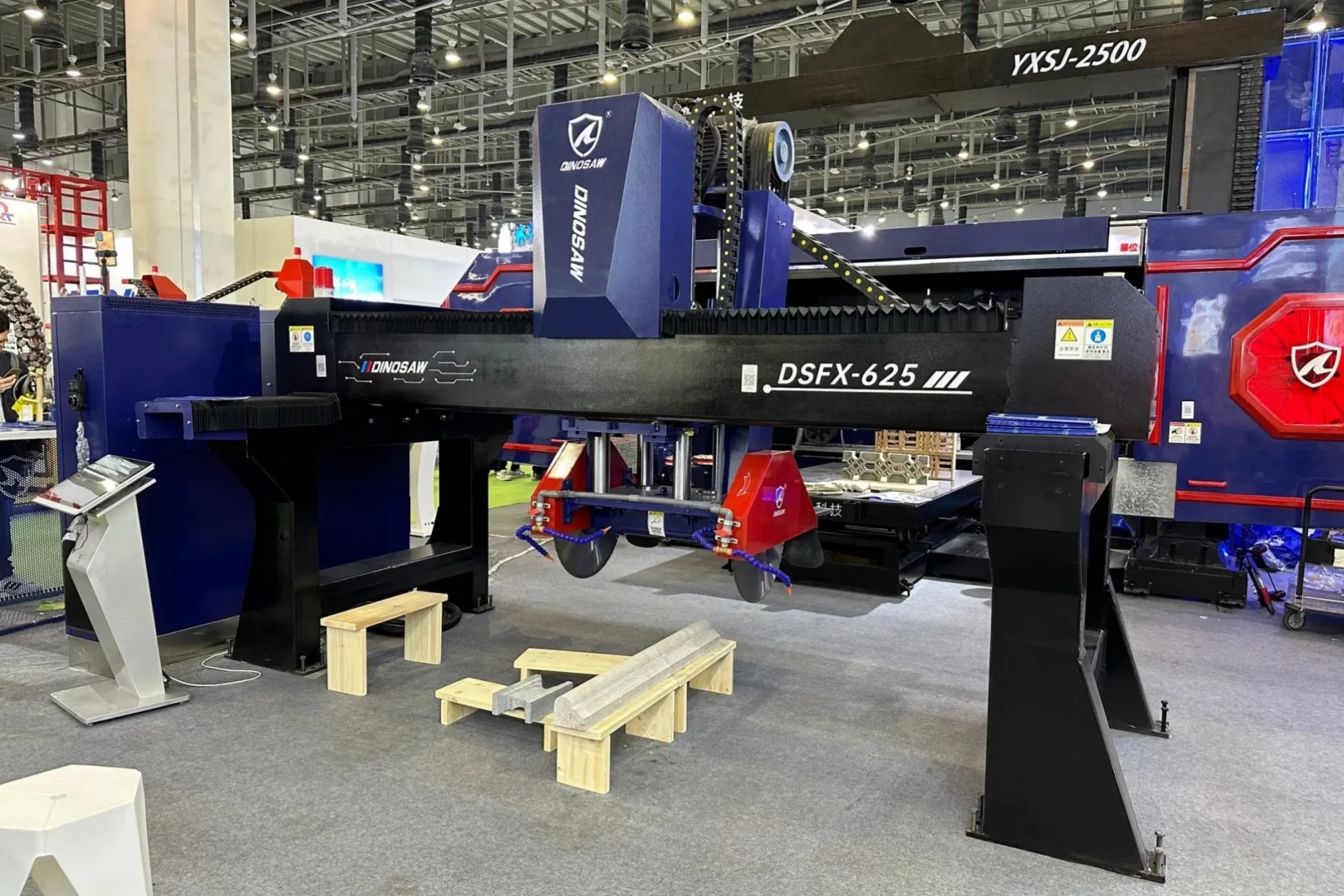
Stone profiling machines are used for curved edges, decorative profiles, sink cutouts, and shaped stone parts in fabrication work. Typical products in this category include stone profiling machines, stone CNC routers, stone lathes, and column profiling machines.
These machines are commonly applied to countertops, balusters, columns, molding details, and other decorative or functional stone components where the shape itself is part of the product value. This category becomes more relevant when the requirement moves beyond straight cutting into decorative shaping or repeatable contour work.
Machinable Materials
Granite
Marble
luxurystone
concrete
carbon fiber
resin
graphite
rubber
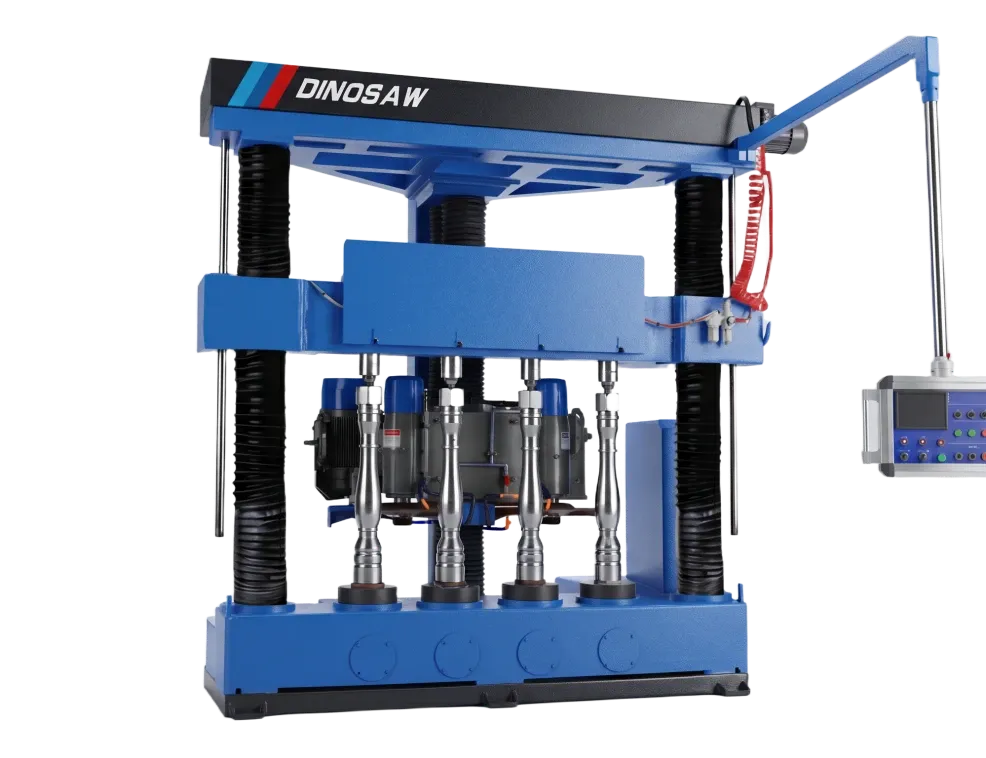
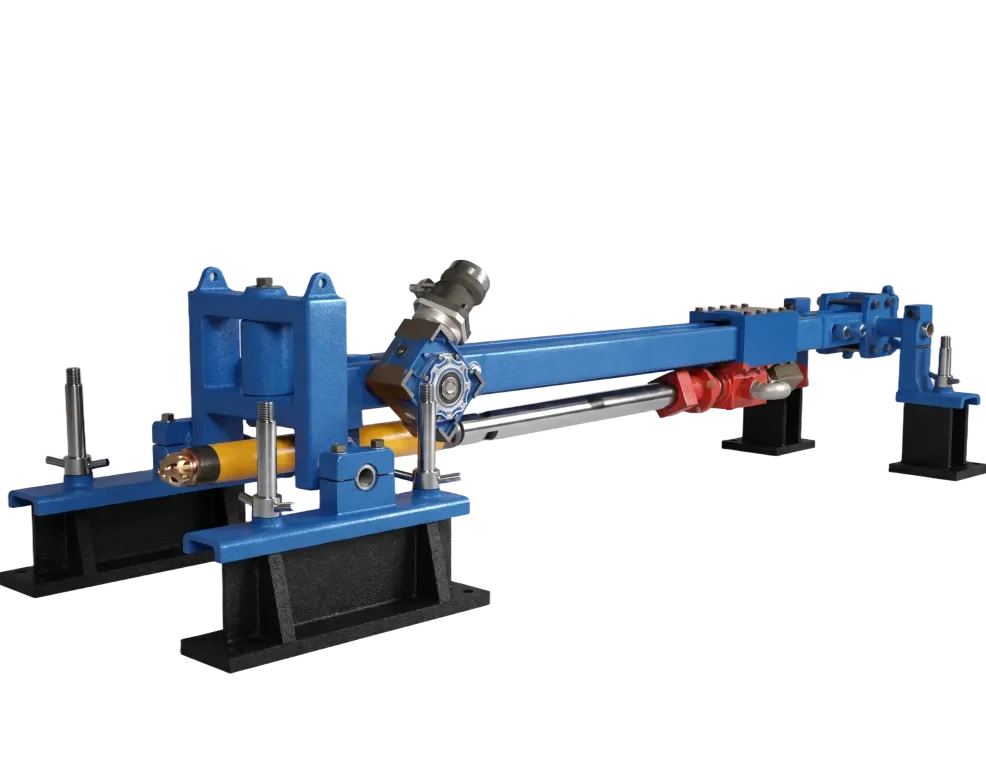
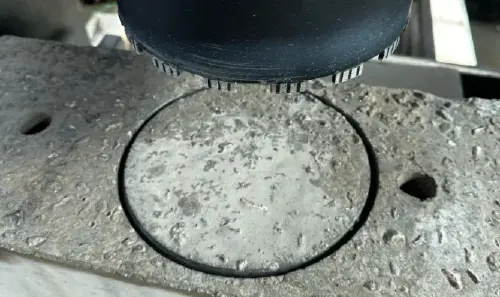
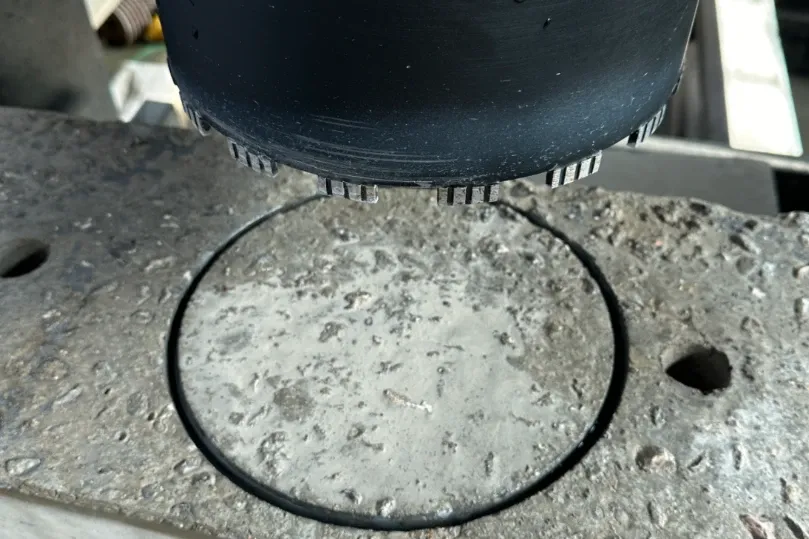
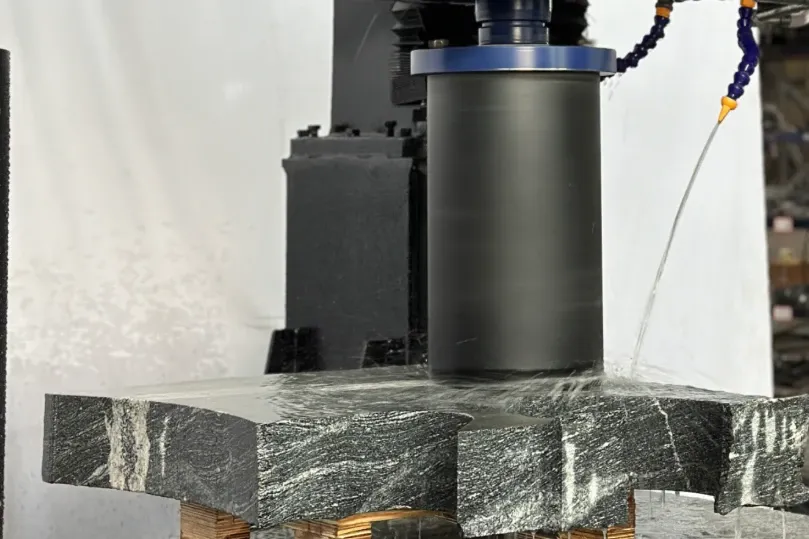
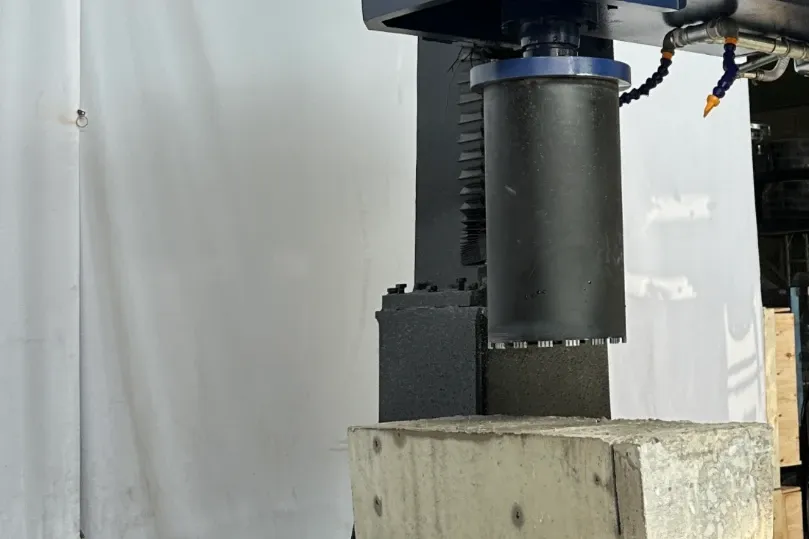
Stone drilling machines are used for sink holes, mounting holes, and production drilling tasks in countertop and fabrication workflows. Typical products in this category include horizontal stone drilling machines, vertical drilling machines, core drilling machines, and CNC drilling machines.
These machines are commonly applied to granite, marble, quartz, slabs, columns, countertops, and structural stone parts where accurate hole placement, repeatability, and drilling stability matter. Buyers usually focus on this category when drilling is a dedicated process requirement rather than an occasional secondary task within general fabrication.
Machinable Materials
Granite
Marble
luxurystone
concrete
carbon fiber
resin
graphite
rubber
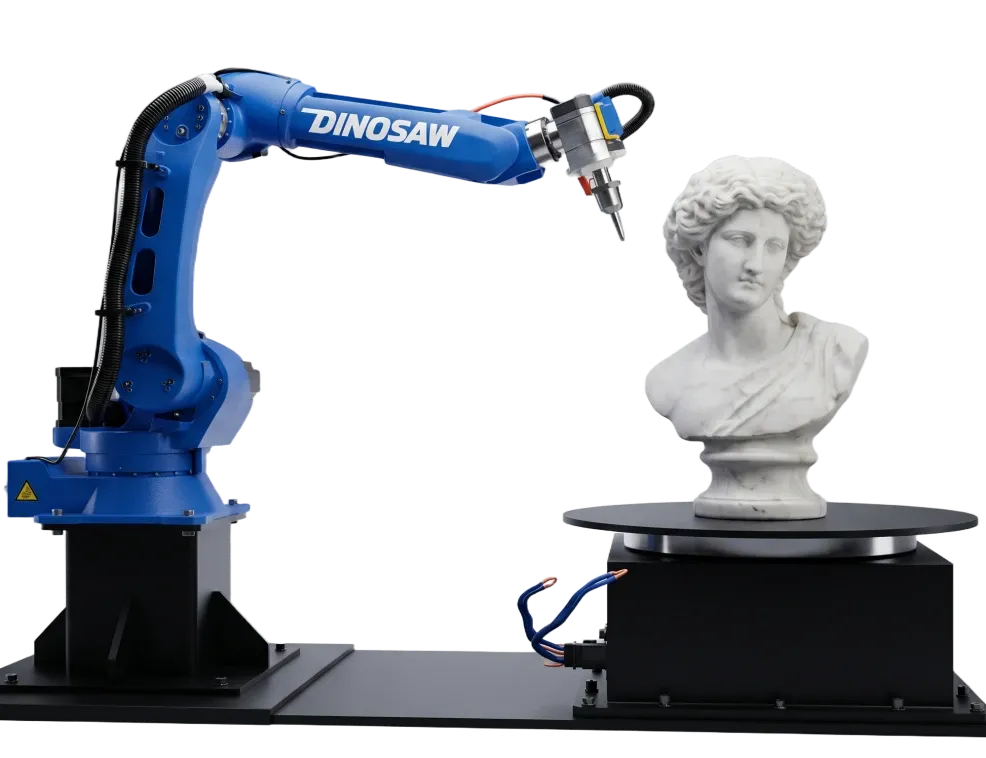
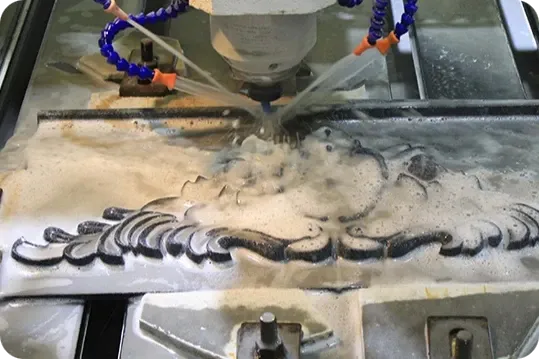
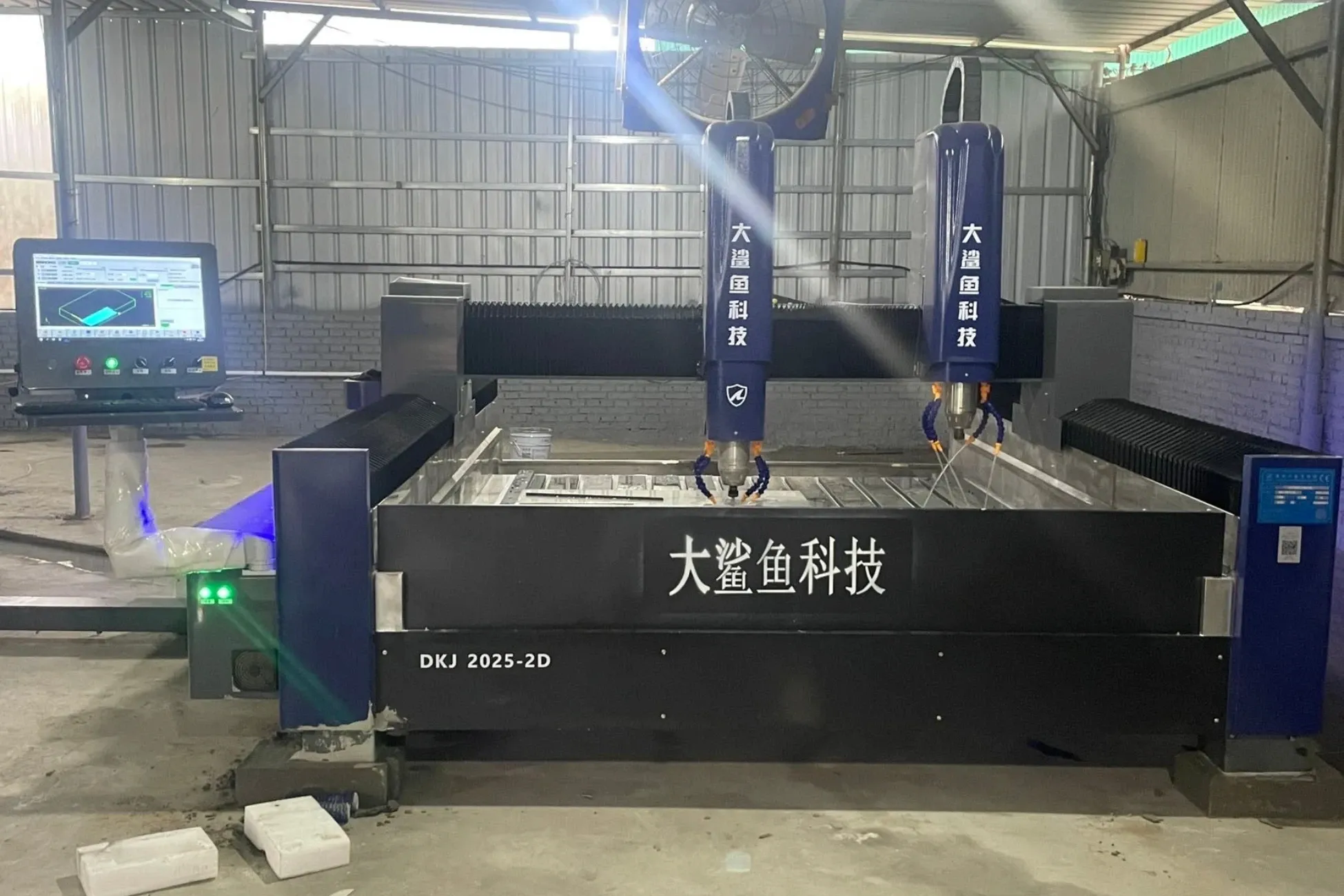
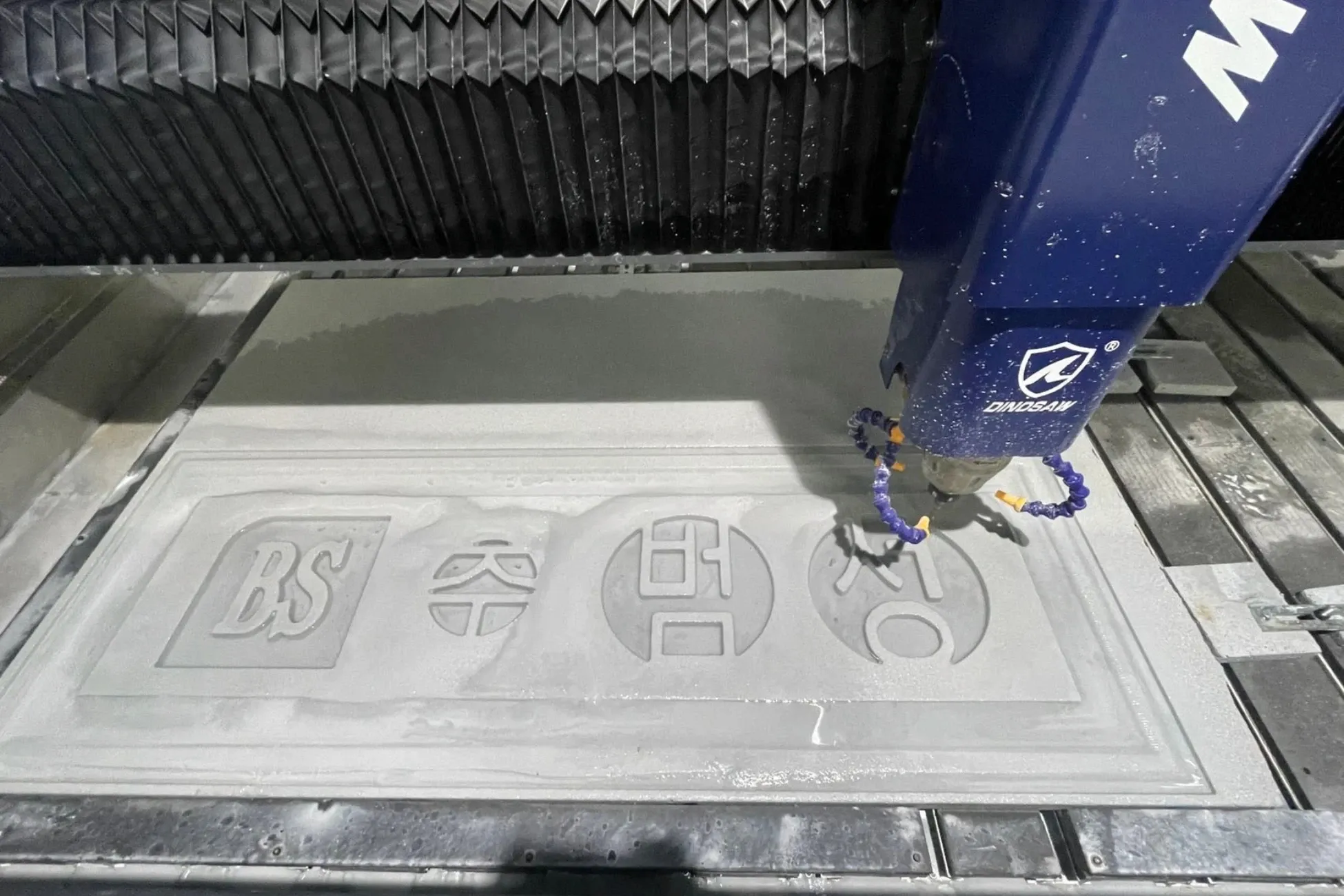
Stone engraving machines are used for monument lettering, headstone engraving, carved details, and custom stone marking. Typical products in this category include CNC stone engraving machines, stone carving machines, monument engraving machines, carving robots, and relief engraving machines.
These machines are commonly applied to granite, marble, memorial stone, decorative wall panels, signage, and relief carving projects where engraving quality, detail control, and repeatability are important. This category is especially relevant for buyers producing monuments, memorial products, decorative carved elements, or customized stone surfaces that require more than standard cutting or shaping.
Machinable Materials
Granite
Marble
luxurystone
concrete
carbon fiber
resin
graphite
rubber
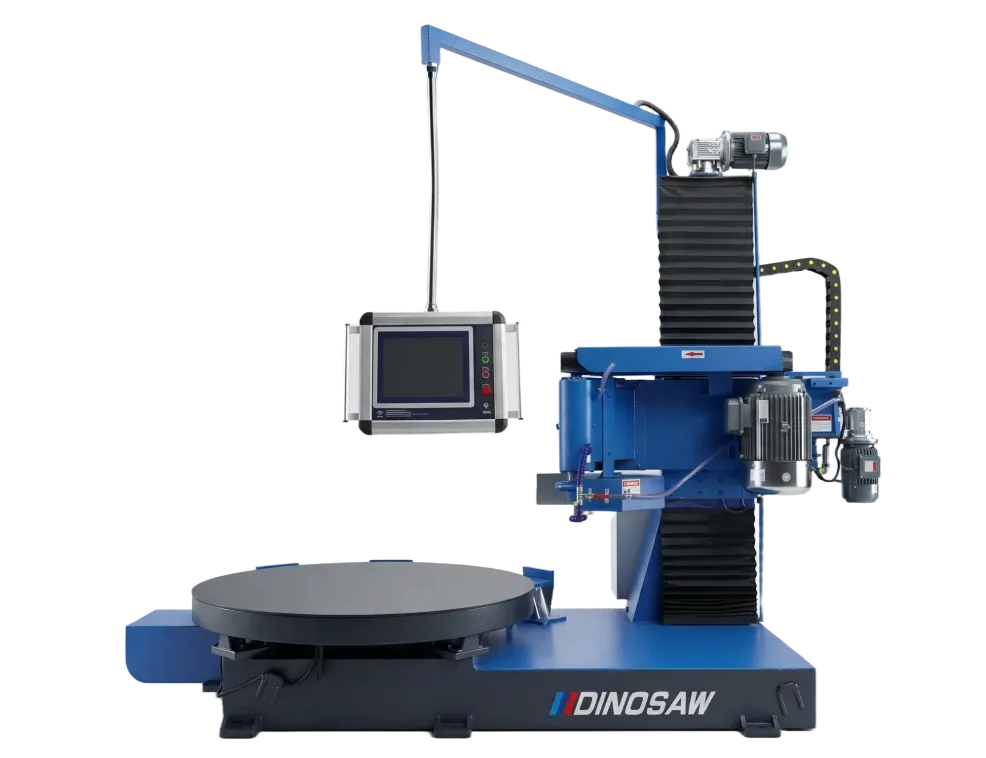
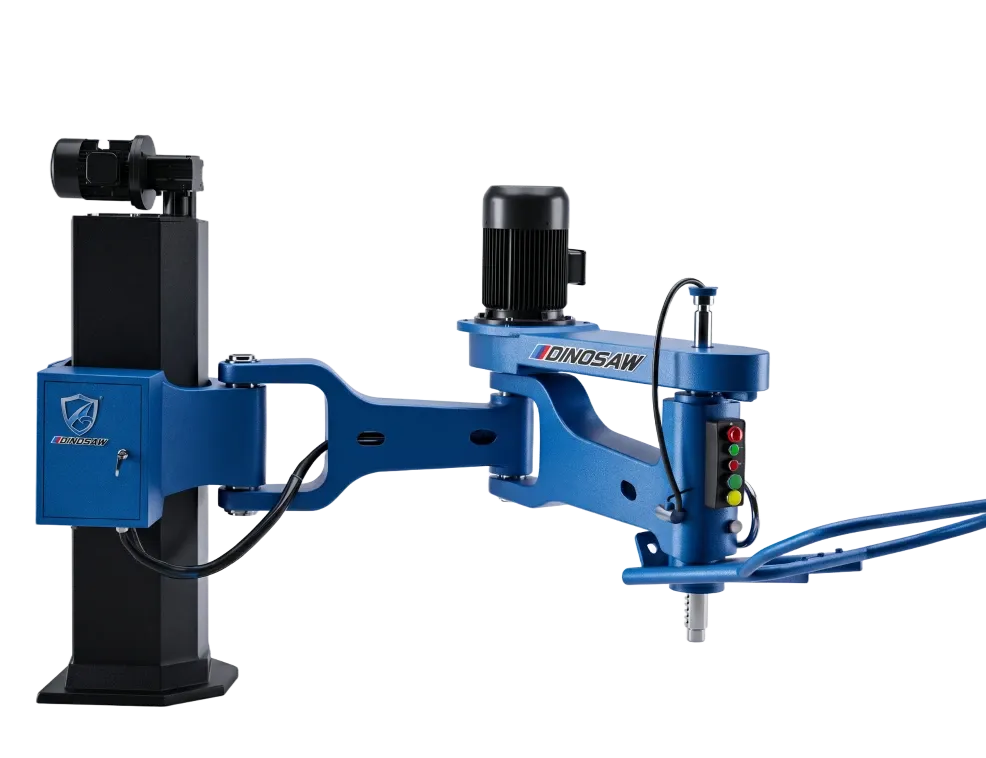
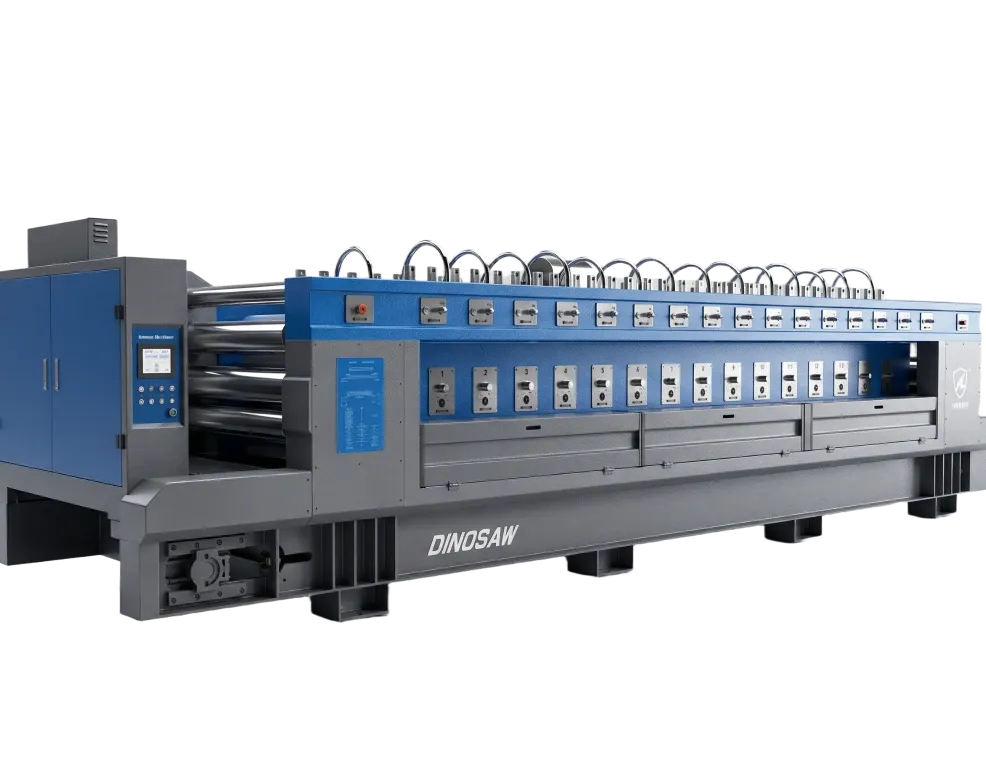
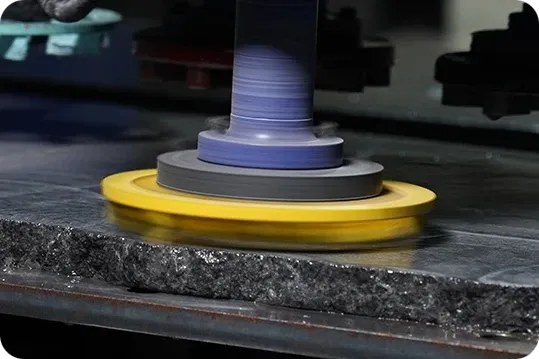
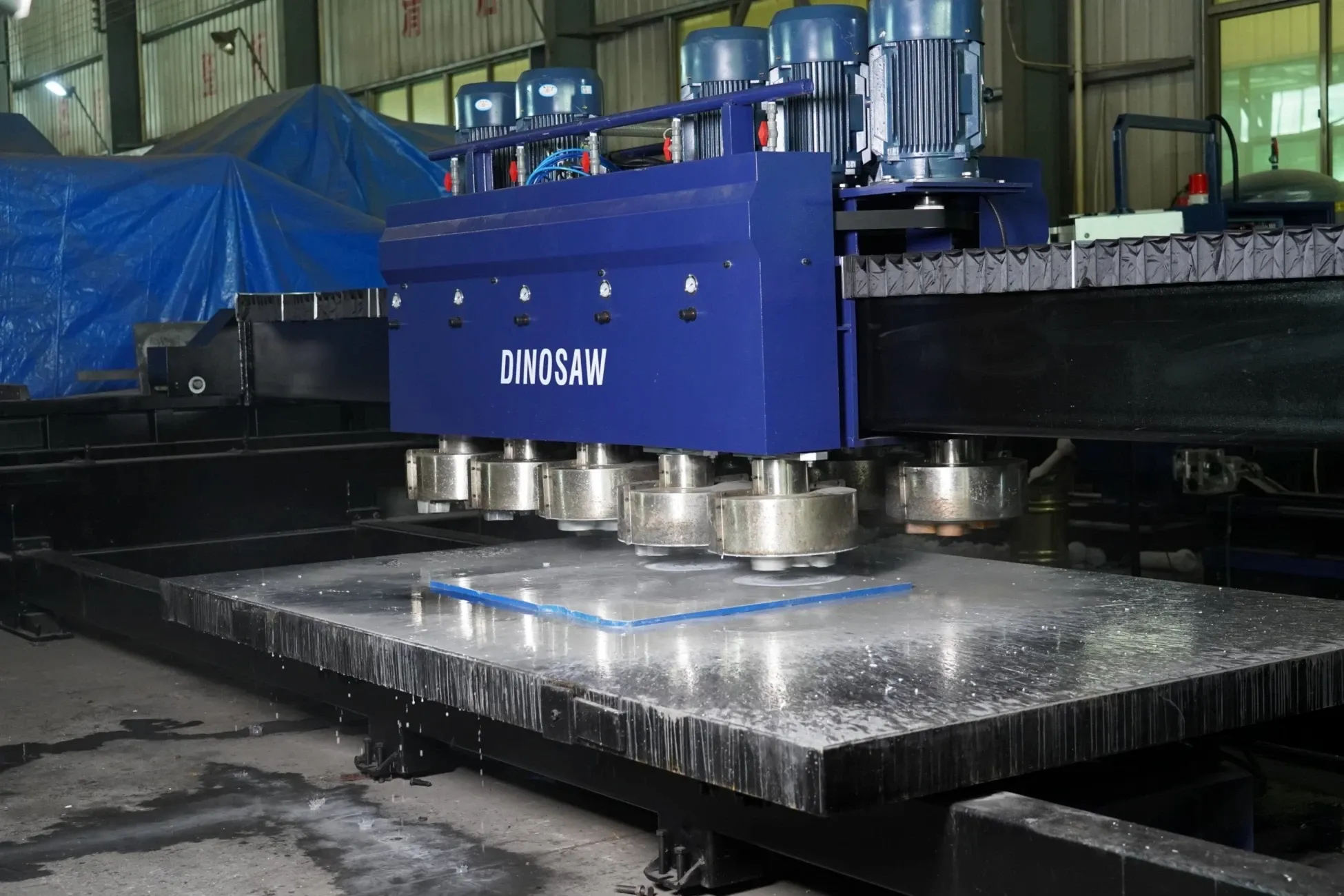
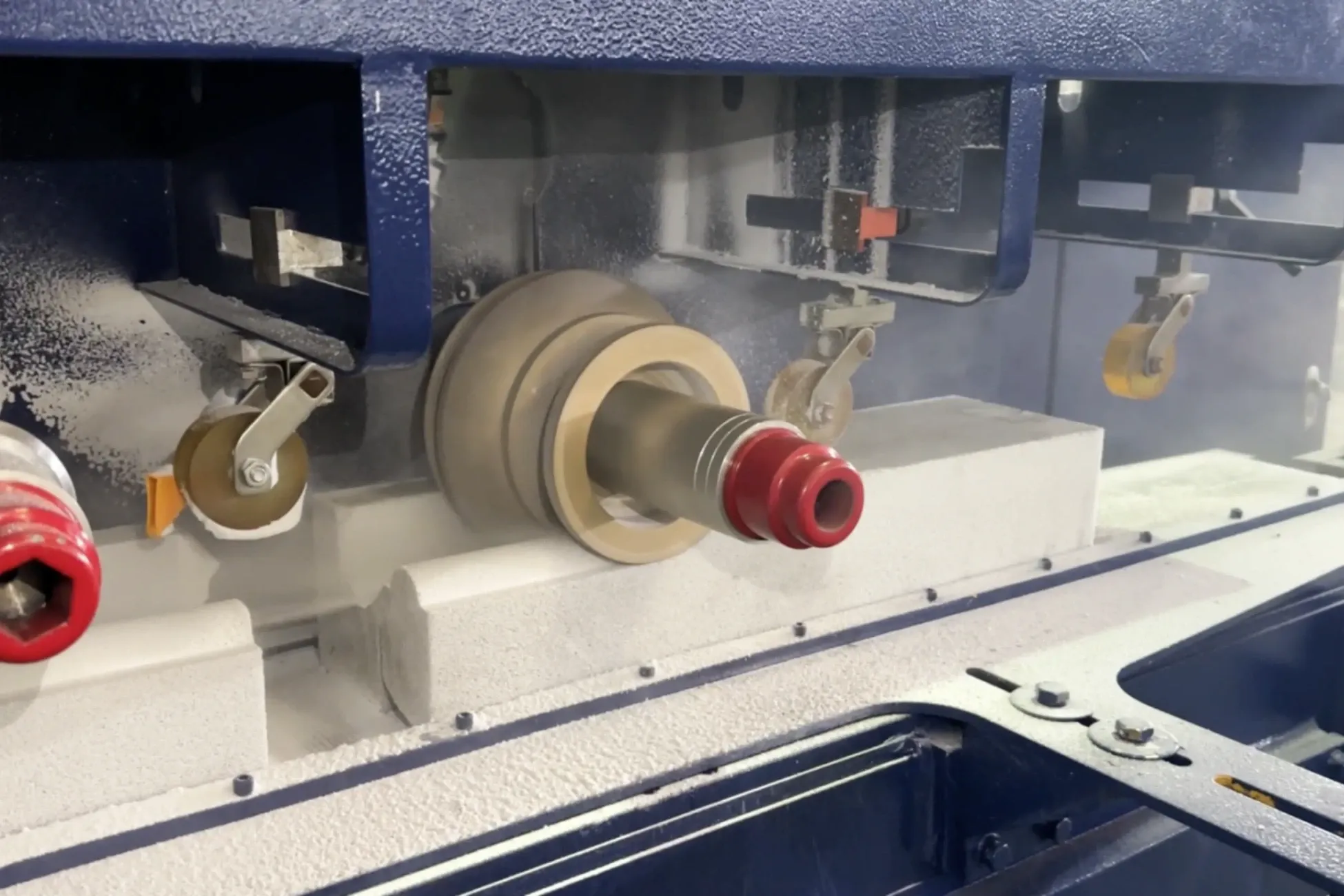
Stone grinding and polishing machines are used for slab polishing, surface finishing, and stone edge polishing where finish quality and consistency matter. Typical products in this category include automatic polishing lines, stone edge polishing machines, manual polishing machines, and tombstone polishing machines.
These machines are commonly applied to granite, marble, quartz, and other stone materials in fabrication shops and stone processing factories. Typical uses include slab polishing, edge finishing, monument finishing, and surface correction where the final appearance directly affects product value.
Machinable Materials
Granite
Marble
luxurystone
concrete
carbon fiber
resin
graphite
rubber
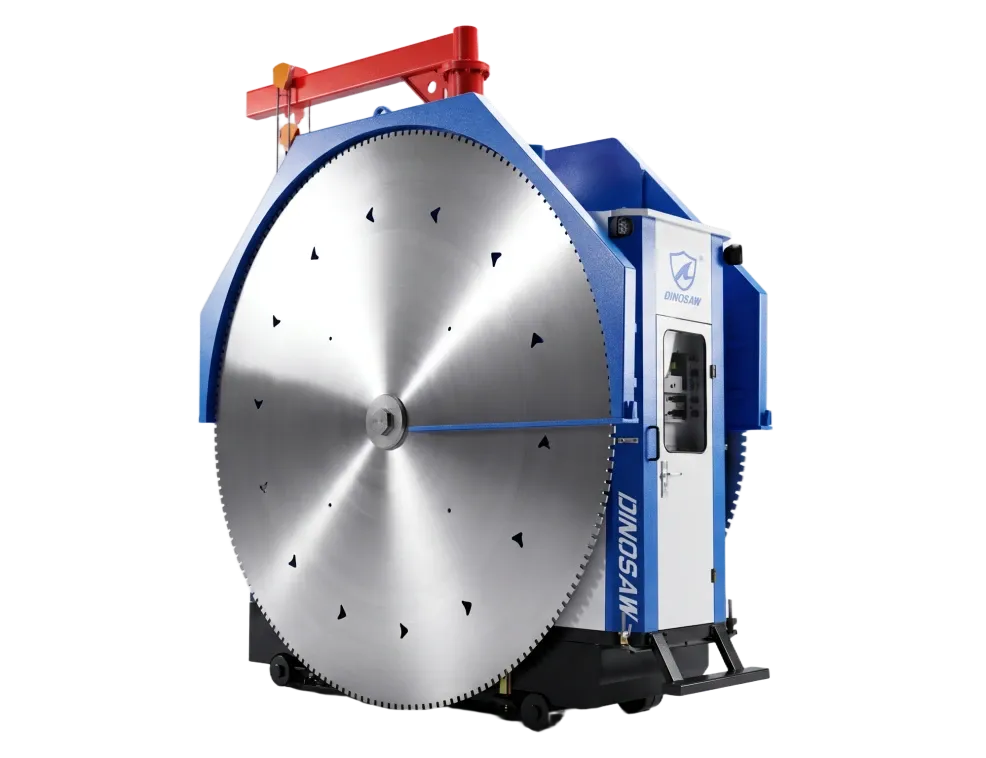
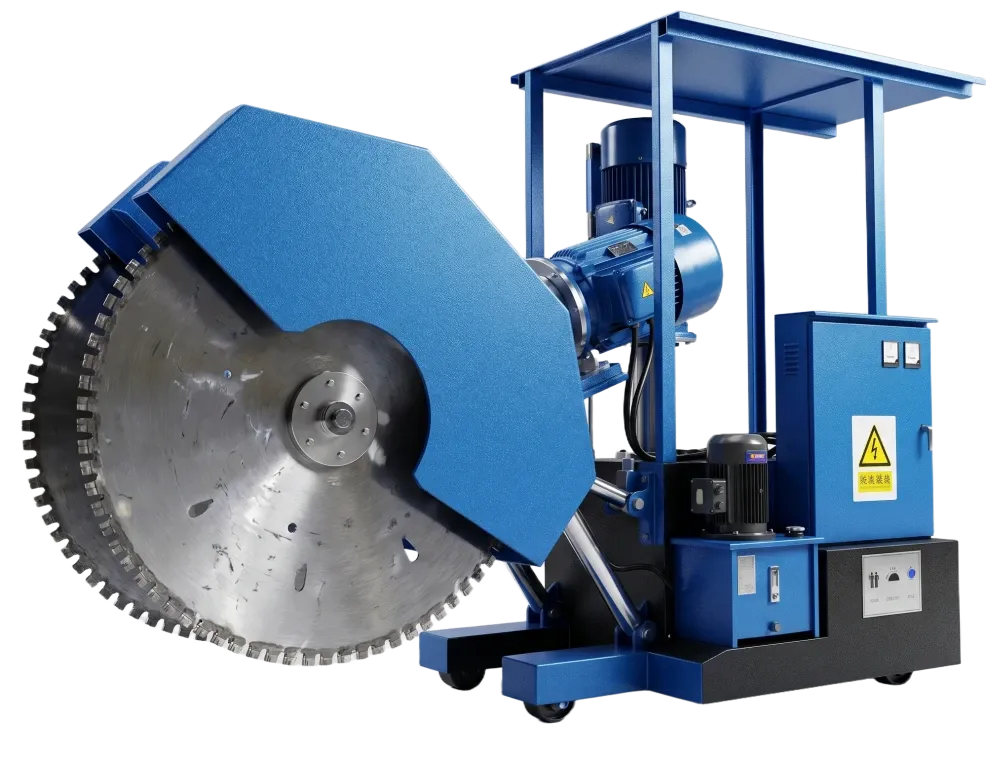
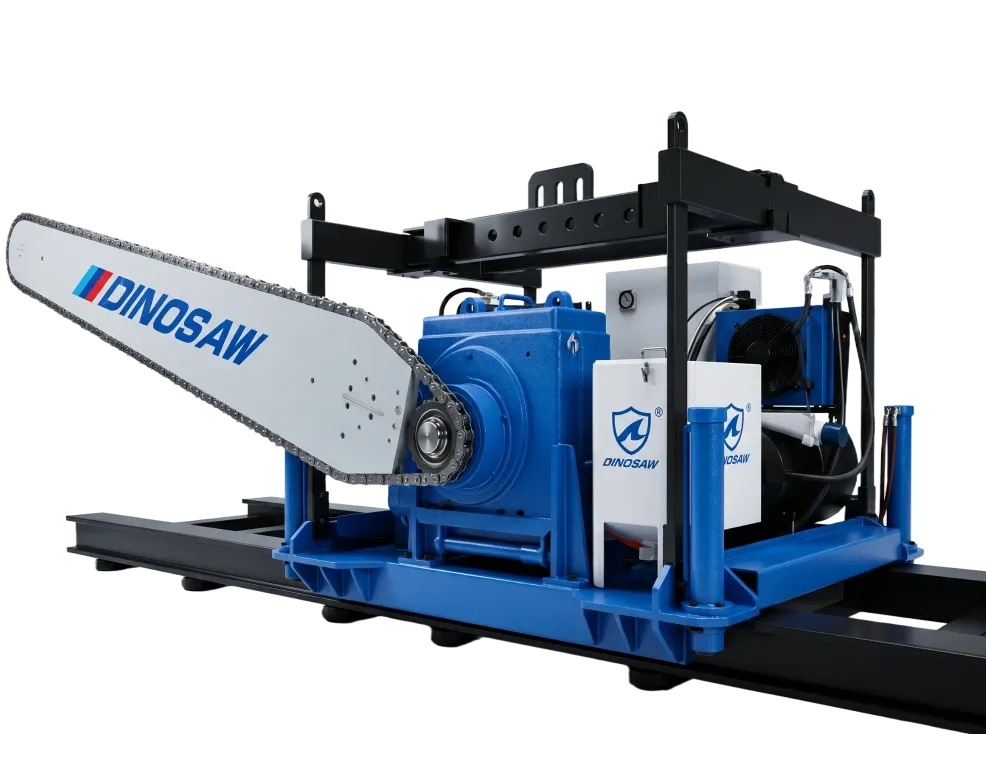
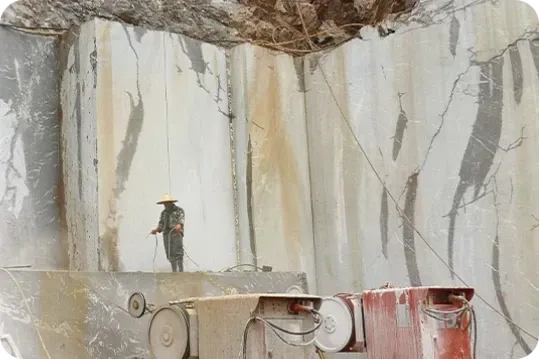
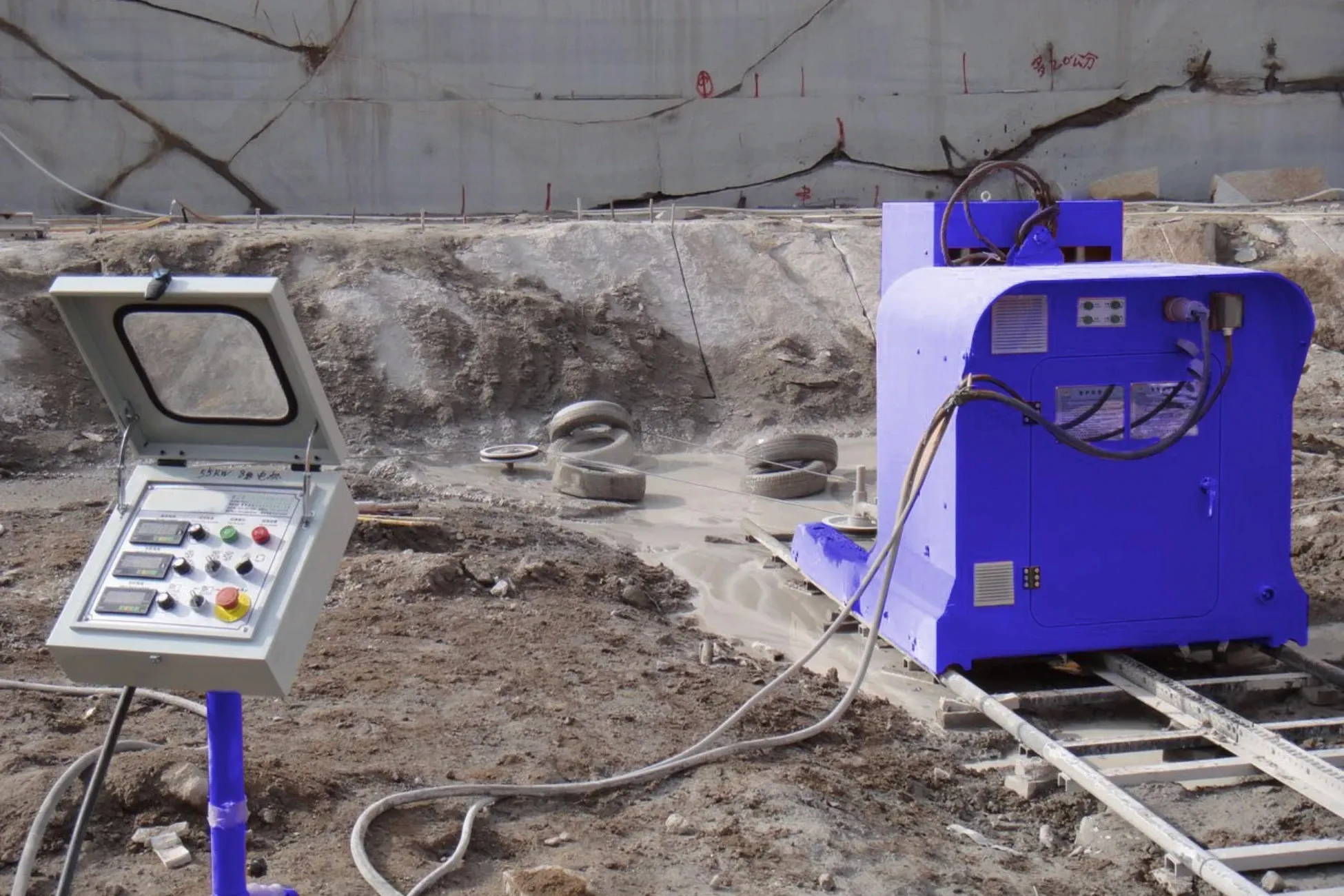
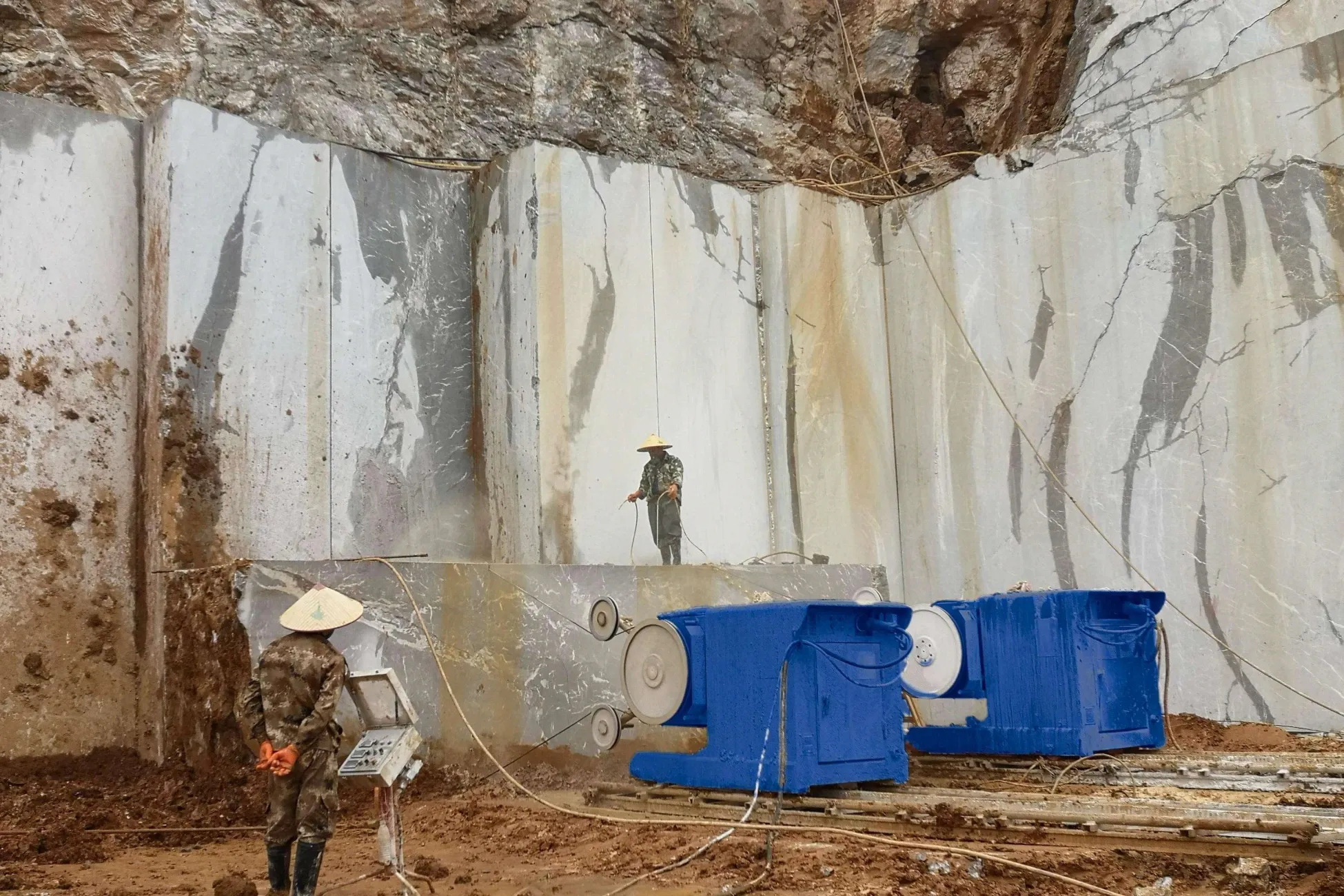
Stone quarry machinery is used for quarry cutting, rough block separation, and upstream stone handling before factory processing begins. Typical products in this category include quarry wire saw machines, double-blade mining machines, DTH drilling machines, and quarry chain saw machines.
These machines support granite, marble, sandstone, and other natural stone extraction workflows where buyers need to improve quarry efficiency, reduce waste, and prepare more consistent blocks for downstream processing. For quarry operations, this category is the starting point for improving extraction quality and building a better foundation for later block, slab, and fabrication workflows.
Machinable Materials
Granite
Marble
luxurystone
concrete
carbon fiber
resin
graphite
rubber
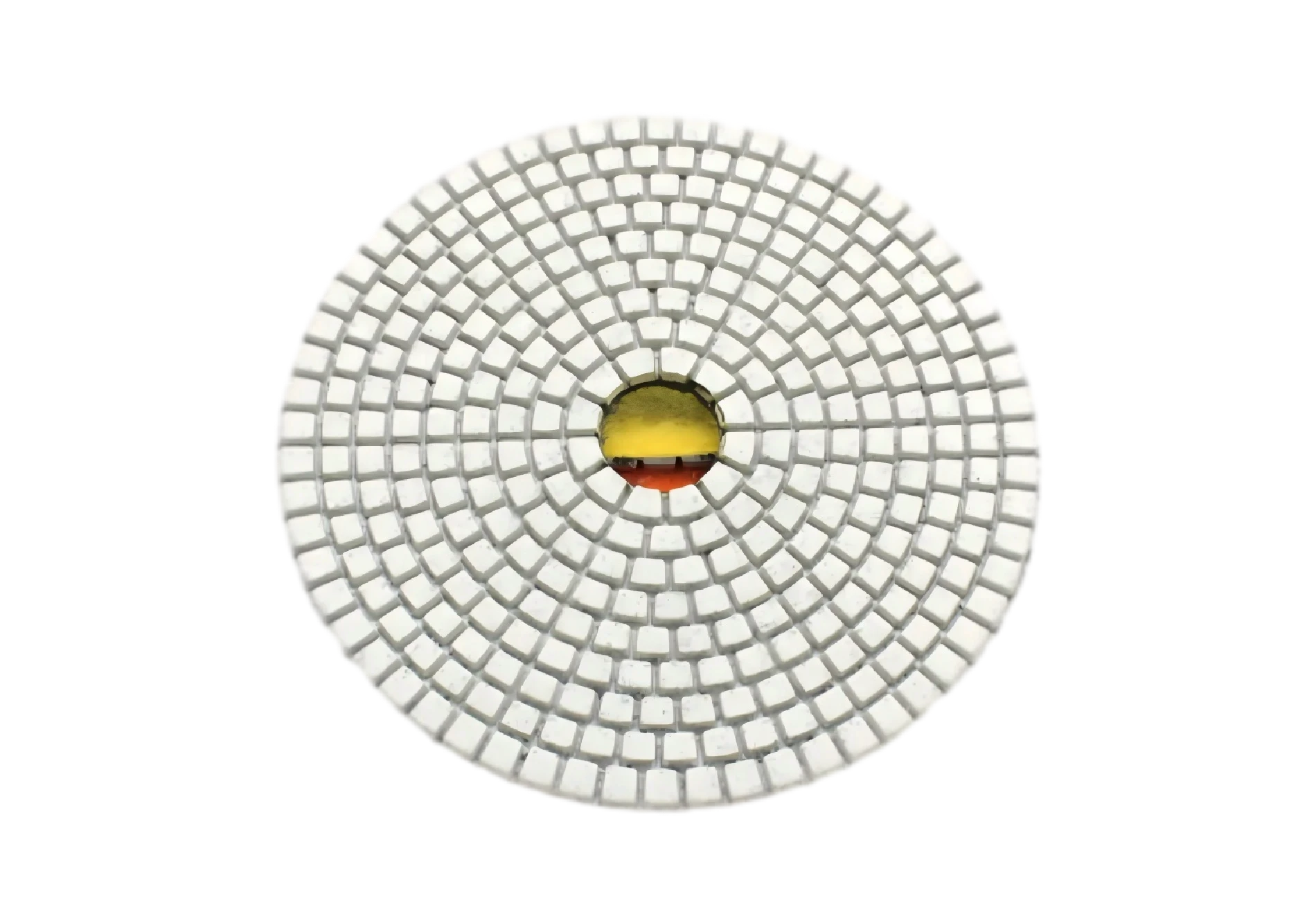
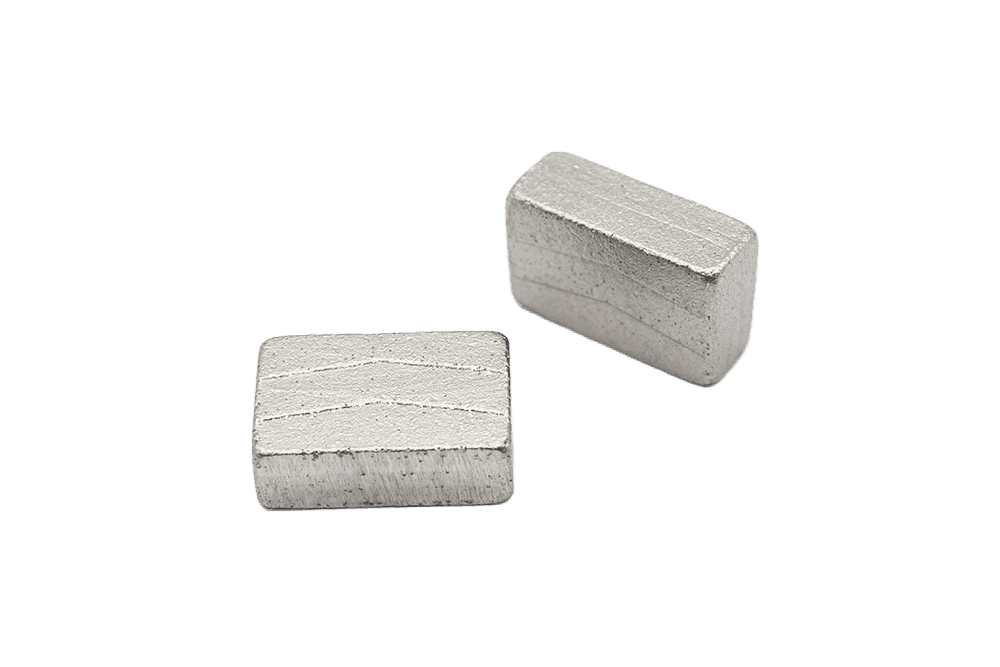
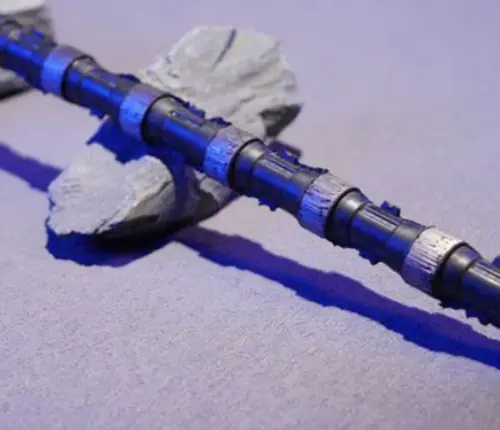
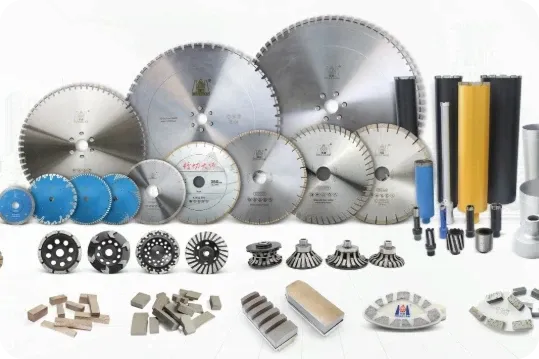
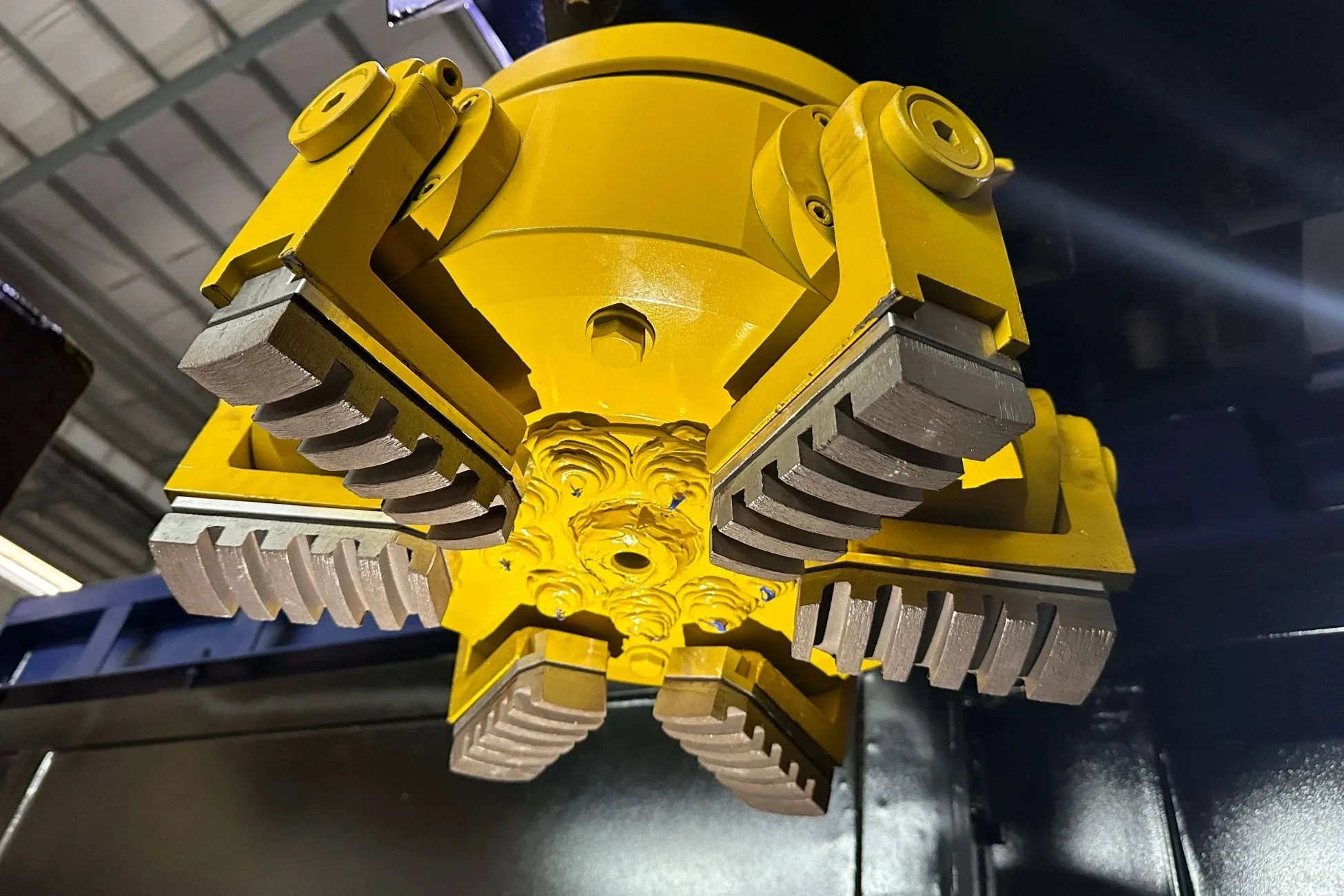
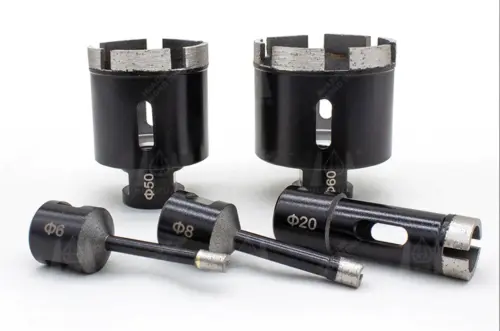
Diamond tools support stone cutting, drilling, grinding, and polishing across different processing stages. Typical products in this category include diamond saw blades, diamond wire saws, diamond drill bits, polishing pads, grinding wheels, and profiling tools.
Although these are supporting products rather than standalone machines, they are essential for helping stone machinery perform consistently across quarry work, slab cutting, drilling, shaping, and finishing operations. In stone factories and fabrication shops, tool quality directly affects cutting efficiency, surface finish quality, tool life, and overall production consistency.
 Aug 15, 2025
 Jan 30, 2026
 Jul 29, 2025
 Mar 5, 2026
A stone factory does not need the same machines just because it processes the same material. A marble or granite quarry owner, a slab producer, a countertop shop, and a monument manufacturer may all work with natural stone, but the first machine categories they need can be completely different. The right starting point depends on the first product the factory wants to sell, the first processing stage it plans to handle in-house, and the first production bottleneck it needs to solve.
That is also why the same process name does not always lead to the same equipment decision. Two buyers may both say they need cutting, polishing, or shaping, but the better machine path can still be very different depending on labor availability, precision targets, output goals, product range, and expansion plans. Dinosaw Machine helps buyers make that distinction early, so the first machine group supports the factory they are building now, not just a broad process label.
If you already have a marble or granite quarry, the first decision is usually not about finishing equipment. The first decision is how far downstream the new factory should go in phase one. If the goal is to improve quarry output and prepare blocks for sale or further processing, the first machine categories are usually quarry machinery, wire saw machines, and block cutting equipment. These machines support extraction, block separation, and stable raw material preparation, which are the steps that make later production possible.
The common mistake is trying to plan slab production, polishing, shaping, and custom fabrication all at once. In practice, quarry extraction, block preparation, slab conversion, and finished fabrication are different investment stages, with different labor needs, cost structures, and operating risks. Dinosaw Machine can help buyers separate those stages, decide which machine categories belong in the first phase, and avoid locking too much capital into downstream equipment before the upstream path is stable.
Usually not. For slab and countertop work, cutting is only the first purchase decision, not the whole factory plan. Once slabs need to become saleable products, the shop usually has to handle more than one task: slab sizing, bridge cutting, edge shaping, sink cutouts, installation holes, and finishing quality. That is why many buyers who start by asking for one cutting machine later realize they still cannot produce the product range they want to sell.
This is not just a sales distinction. In stone fabrication guidance, sawing, grinding, polishing, and drilling are treated as separate operations, and a CDC-tracked study of 47 granite countertop shops in Oklahoma found that bridge saws were the most common machines for initial cutting, while edge profiling was commonly handled later with other equipment. In practical terms, a slab or countertop factory usually needs to review slab cutting, bridge saw, profiling, drilling, and finishing categories together, even if they are not all purchased at the same time. Dinosaw Machine helps buyers compare these paths based on what matters most now, whether that is launch cost, labor efficiency, accuracy, speed, or a clearer upgrade path into the next production stage.
Yes. Monument and shaped-stone production usually follows a different equipment path because the factory is not only selling cut size. It is also selling lettering, contours, decorative edges, curved forms, and finished surface quality. A machine plan that is good enough for straight slab cutting is often not enough for memorial products, columns, balusters, decorative profiles, or other detail-driven stone work.
The common mistake is planning this kind of factory like a standard cutting shop and assuming extra detail can be added later without changing the core equipment path. In reality, these products usually require buyers to think in combined capabilities: cutting, engraving, profiling, and polishing. If the factory expects to sell shaped or detail-driven products from the beginning, the machinery plan should reflect that from the beginning. Dinosaw Machine helps buyers match those product goals to the right combination of machine categories, so the factory is built around the finished work it wants to deliver, not only around basic cutting capacity.
A practical way to decide is to start with the first product you want to sell and the first bottleneck that could stop you from selling it. If revenue starts with quarry blocks, the first path usually begins with quarry, wire saw, and block cutting categories. If revenue starts with slabs or countertops, the first path usually starts with cutting and then quickly extends into profiling, drilling, or finishing. If the business depends on monuments, custom details, or shaped stone products, detail-related categories become part of the first decision, not a later upgrade.
This is where Dinosaw Machine adds the most value. We do not simply point buyers to a long list of stone machinery. We help narrow the first machine categories according to product path, processing stage, labor reality, precision targets, and expansion plans, so buyers can choose equipment that fits the factory they are building now while keeping the next stage clear. If you want to discuss the right machine categories for your current factory plan, you can also contact Dinosaw Machine on WhatsApp for a direct discussion about your product path, production stage, and equipment priorities. If you source machines for stone factories in your market or want to explore cooperation opportunities, you can also learn more here: Become a Stone Machinery Distributor / Partner.
 English
Get A Easy Solution
Chat Online
Hi, this is Lizzy from Dinosaw ( Not a Robot ). Which Machine ( model ) do you want? Please WhatsApp us now
Hello 👋 How can we help?