



 中文
中文 Italian
 Türkçe
 Português
 Español
 Deutsch
 العربية
 Tiếng Việt
 Français
 Русский
 한국어
한국어


Ms.Lizzy
Hi, this is Lizzy from Dinosaw ( Not a Robot ). Which Machine ( model ) do you want? Please WhatsApp us now


Open Hours:8:30am-20:30pm

WhatsApp: +86 198-5901-3937

 Mar 5, 20265 MIN READ
 Mar 5, 20265 MIN READ
Compare 3/4/5 axis granite bridge saw options, key specs, cost drivers, and acceptance checks to choose the right model for your factory.
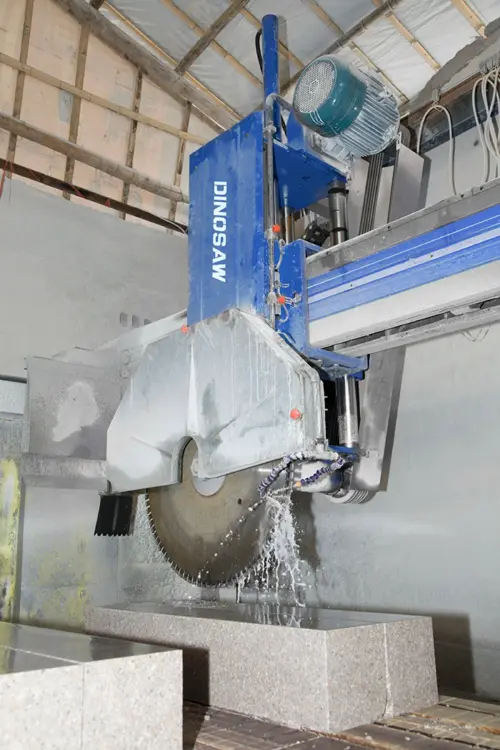
Choosing a granite CNC bridge saw is not only about machine price. For most factories, the real decision is whether a bridge saw model can keep cut quality stable while meeting output targets across daily jobs.
This guide focuses on the questions buyers need to answer before purchase: which granite bridge saw axis level fits your workpieces, which specifications affect cut consistency most, and how to estimate total cost beyond the initial quote.
If you are comparing bridge saw models now, message Dinosaw Machine on WhatsApp with your workpiece range, target tolerance, and output goals for a quick fit check.
Dinosaw Machine uses this selection logic for granite factories that care about repeatability, throughput, and long-term operating stability, not only first-day machine performance.
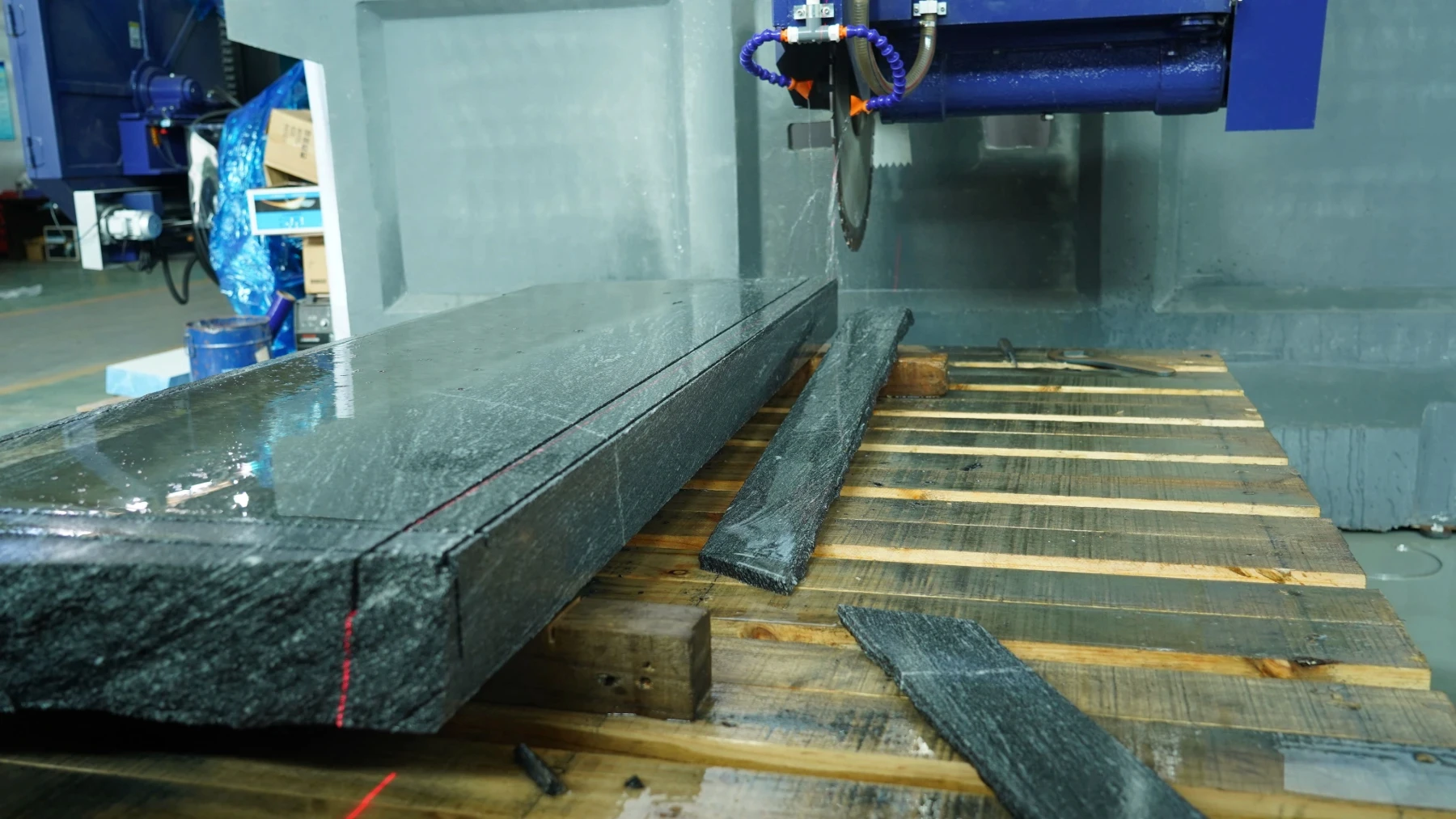
Many bridge saw purchases fail for one reason: model selection is based on brochure highlights, not production reality.
Typical mistakes include:
A good buying decision should reduce operational risk after installation, not move hidden costs into production.
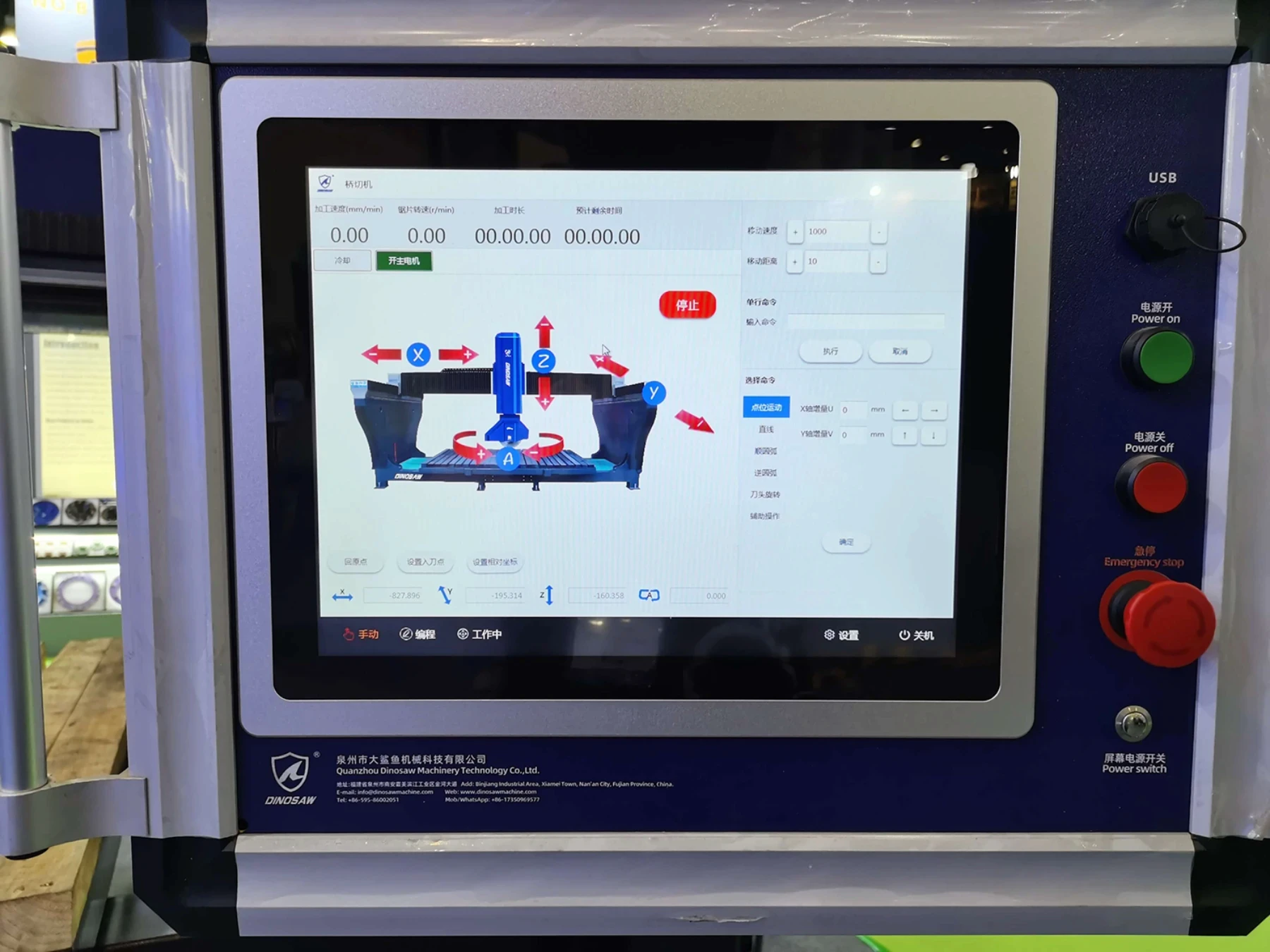
Bridge saw axis level should match your real part mix and process complexity.
Best for straightforward linear and planar cutting tasks where geometry is relatively simple and repeatable. For standard production-focused setups, a CNC stone bridge saw or a bridge cutting machine is often the baseline choice.
Typical fit:
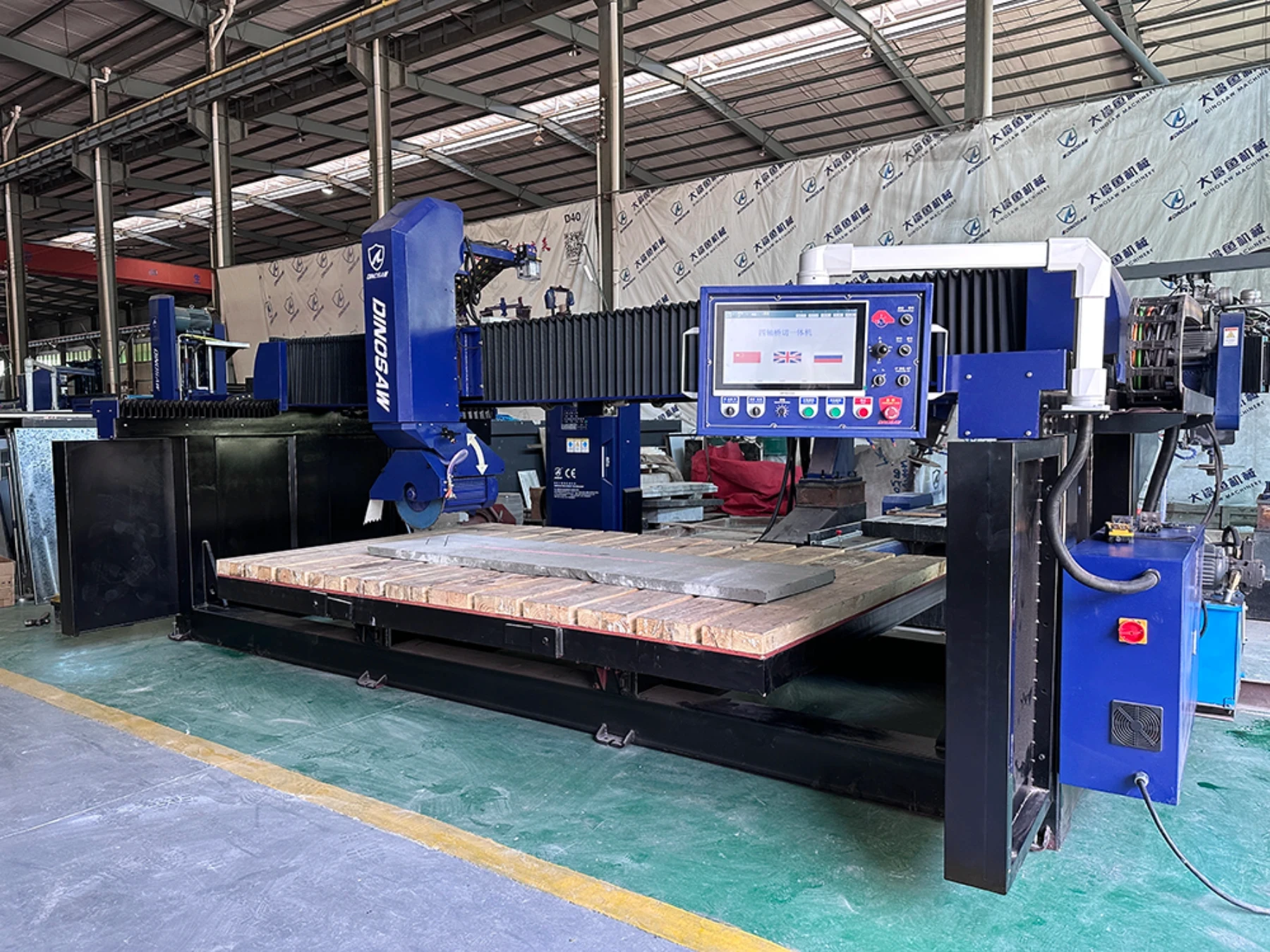
A practical mid-point when you need more flexibility than straight cutting but do not need full multi-angle complexity. For sink-related process expansion with moderate complexity, many factories evaluate a 4+1 axis bridge saw for sink.
Typical fit:
Best for complex geometry, multi-angle processing, and higher-value work where flexibility and precision path control are both critical. For higher-complexity sink and contour jobs, a 5 axis bridge saw for sink processing is a common evaluation path.
Typical fit:
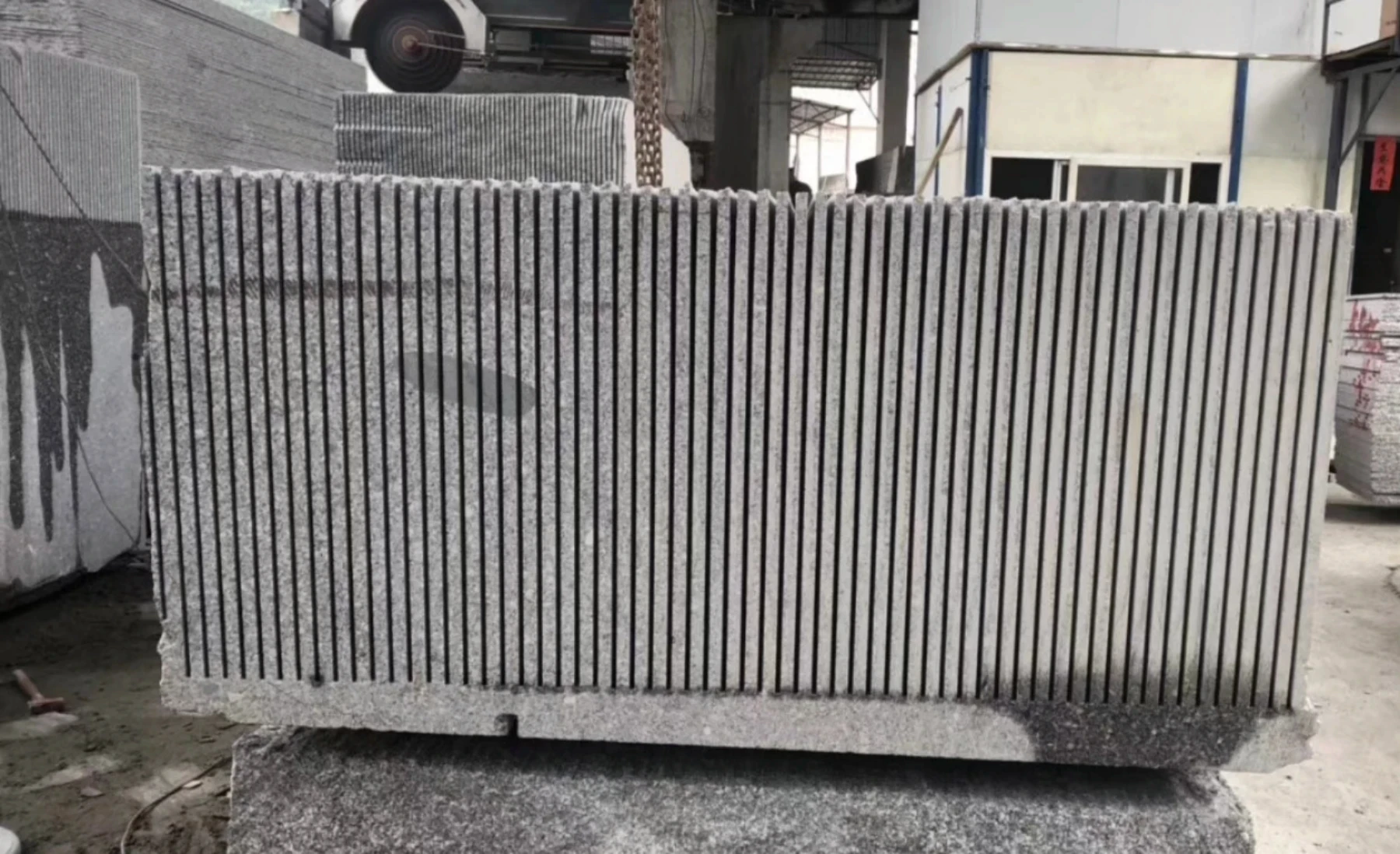
The right question is not "Which axis is more advanced?" It is "Which bridge saw axis level matches the geometry you cut every week?"
Spec comparison should focus on production outcomes, not only feature lists.
A stable machine frame helps maintain consistency under continuous load and reduces variation across long production runs.
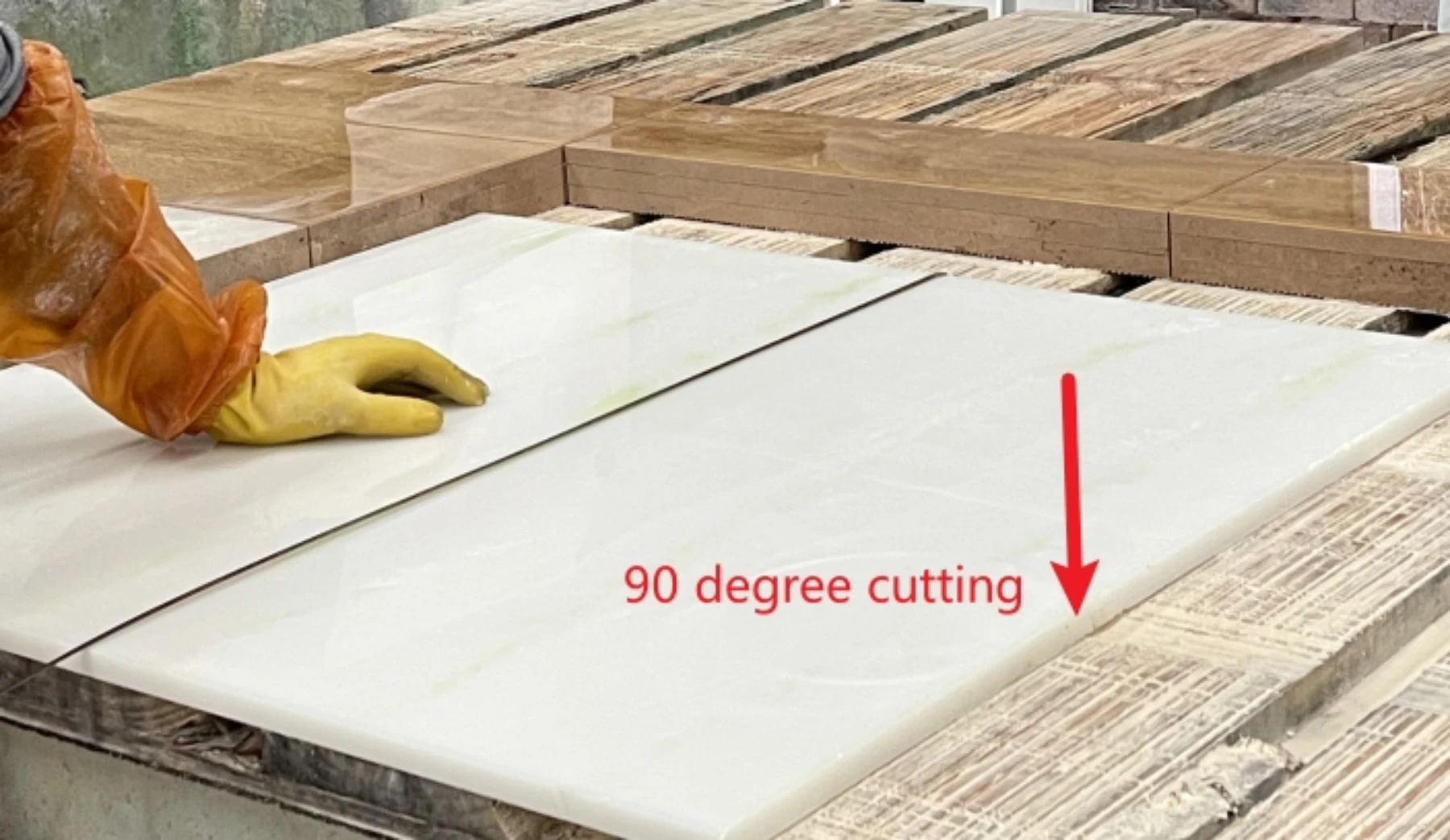
Control quality directly affects path smoothness, transition precision, and repeatability on complex cuts.
Matching spindle power and blade configuration to your material and thickness range is critical for cut stability and blade life.
Unstable feed behavior usually appears later as edge inconsistency, rework, and throughput loss.
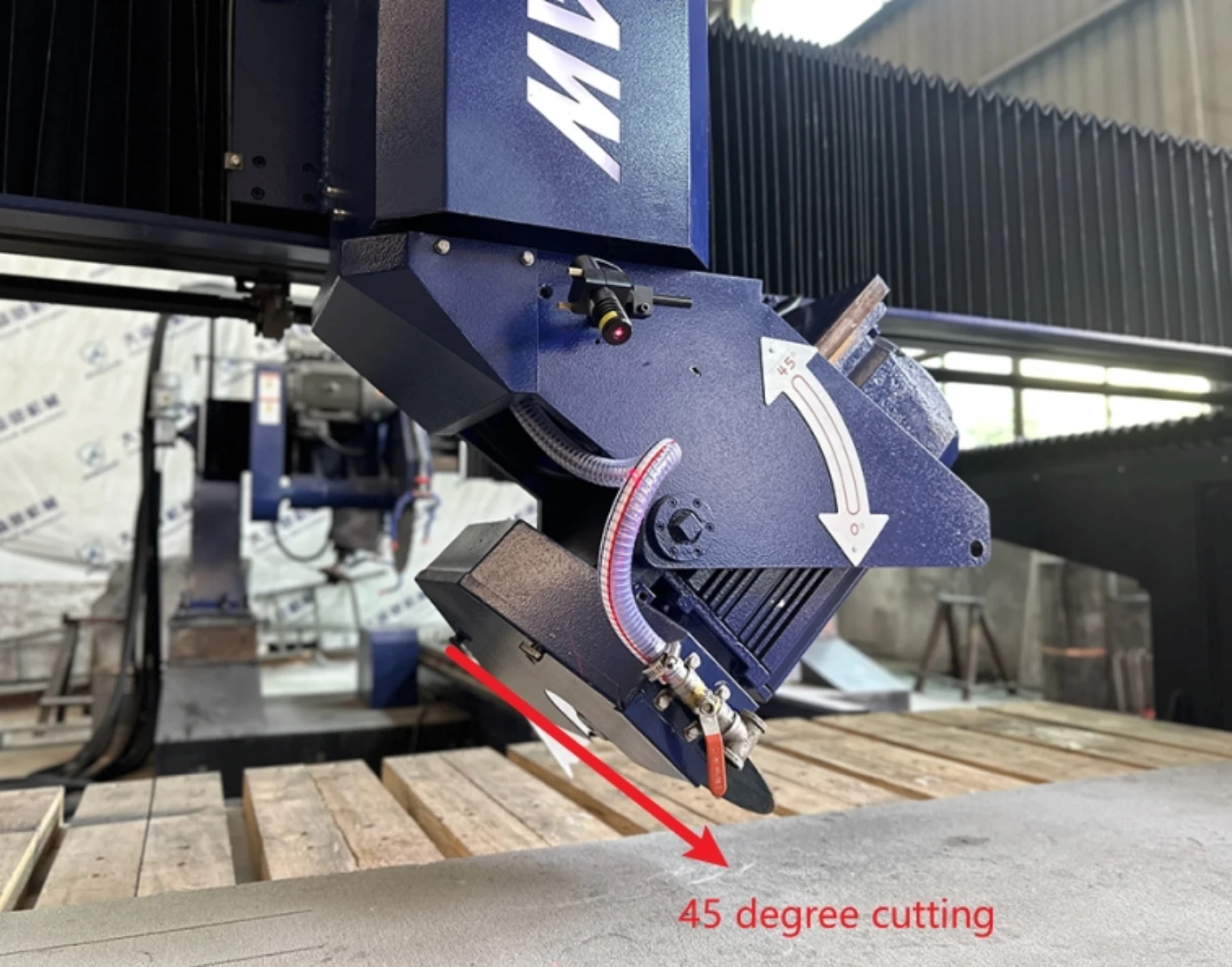
Cooling and debris management affect blade condition, cut quality, and maintenance frequency.
Machines that are easier to maintain and inspect reduce stoppage time and support steadier output.
A lower quote can still produce a higher total cost if operating variables are ignored.
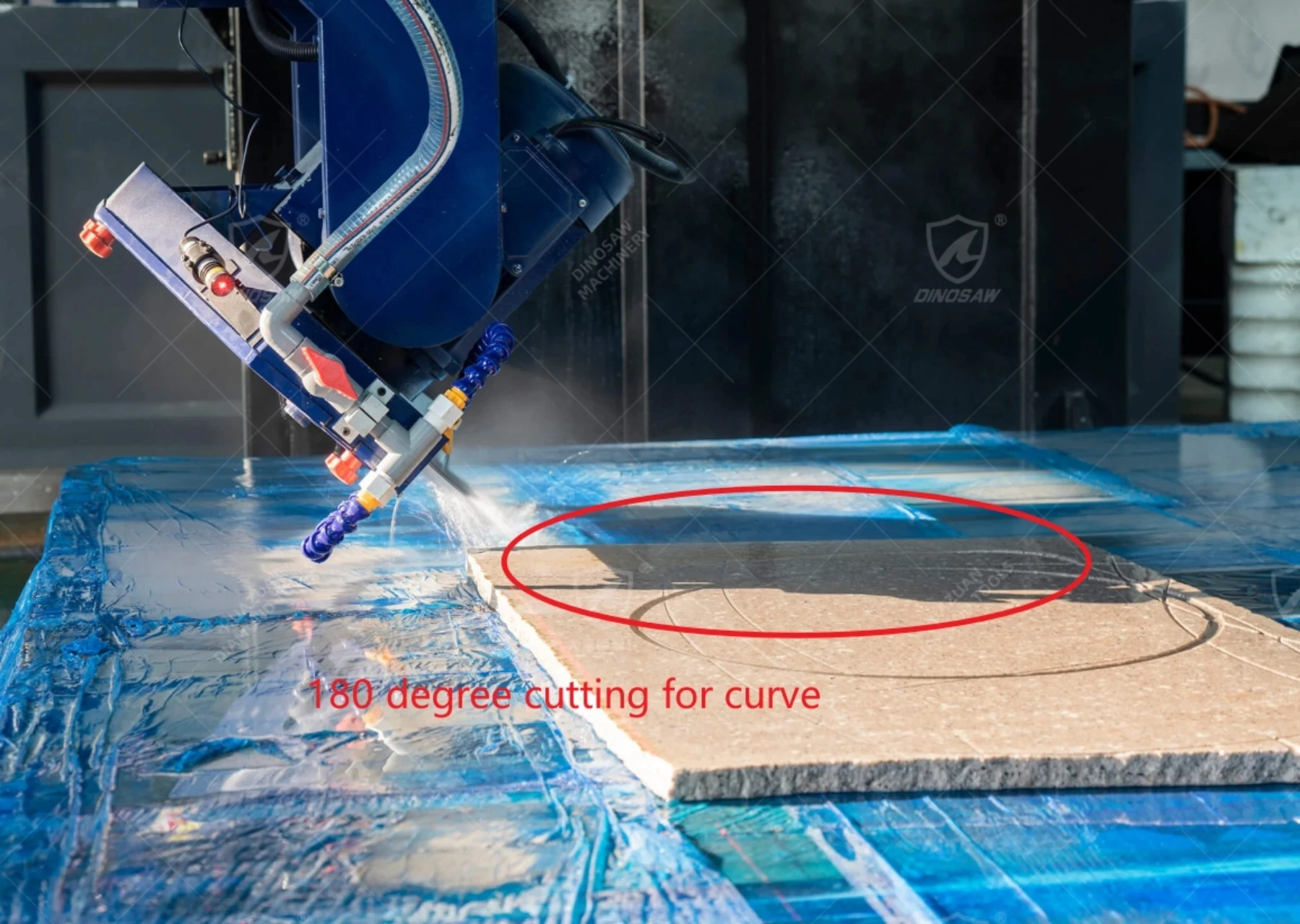
Key cost factors to calculate:
Minimum 12-month TCO input template:
A realistic buying decision should estimate at least 12-month operating cost, not only purchase cost. If you need a deeper budgeting framework, see this bridge saw price and ROI guide.
Use factory type to narrow model choice faster.
| Shop type | Priority focus | Suggested axis bias | Main risk to watch |
|---|---|---|---|
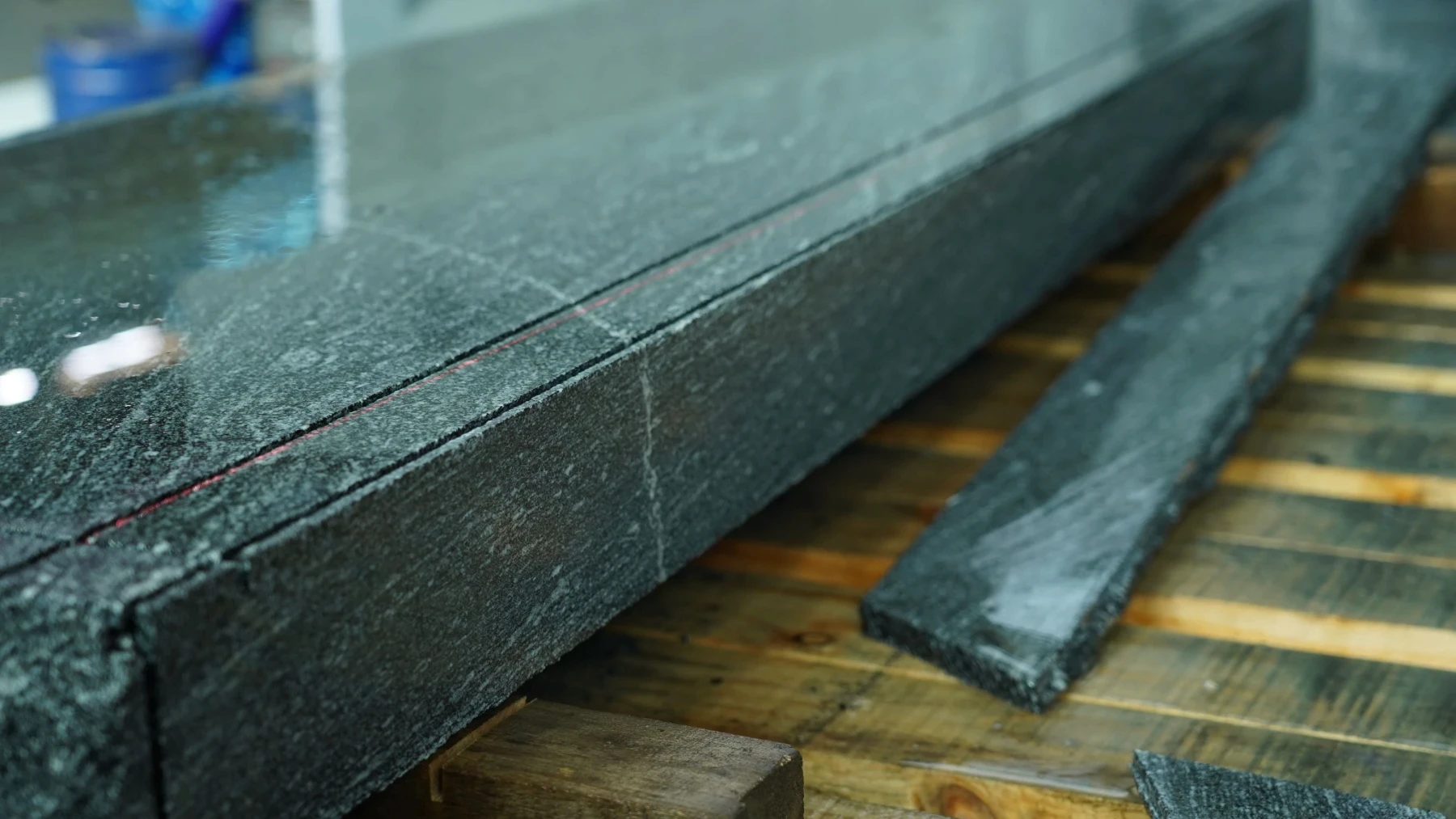
| Countertop-focused shops | Geometry flexibility, edge quality, job-switch efficiency | 4-axis to 5-axis | Underestimating complexity from mixed daily jobs |
| Engineering / large-slab cutting shops | Throughput stability, repeatability, low interruption | 3-axis to 4-axis | Choosing flexibility over output stability without need |
| Mixed production shops | Balance between flexibility and production rhythm | 4-axis | Selecting too low for custom jobs or too high for actual workload |
For model-architecture trade-offs, you can compare monoblock vs gantry bridge saw options, and for complex-path scenarios review how to choose a 5-axis bridge saw.
If you want to validate model fit against your current order mix, start a WhatsApp discussion with Dinosaw.
Never finalize selection before sample validation.
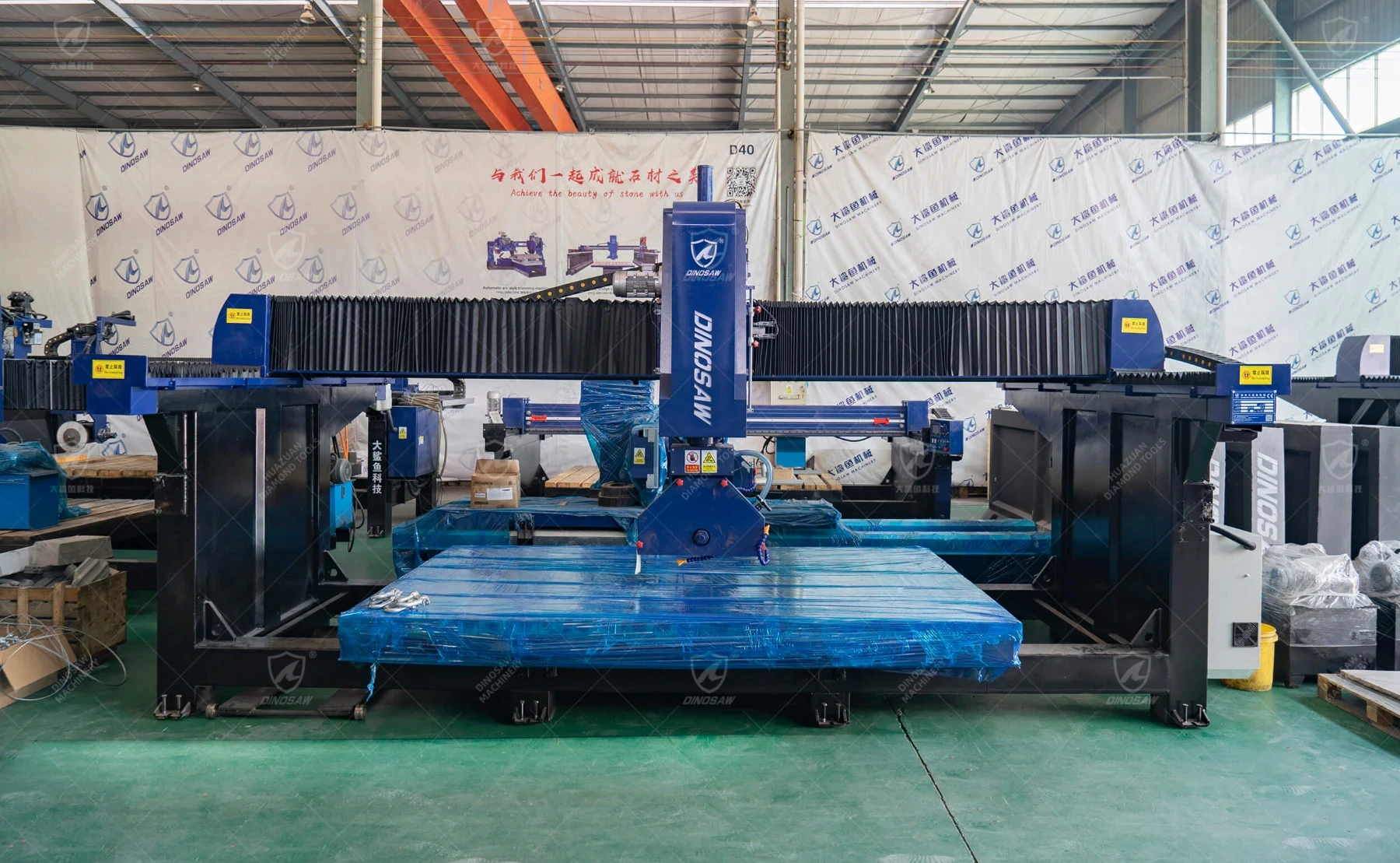
Test checklist:
Acceptance checklist:
For manufacturers sourcing custom metal components, understanding achievable production tolerances is equally important when evaluating process capability and quality requirements. This Investment Casting Tolerances guide explains common tolerance standards, machining allowances, and dimensional accuracy expectations for precision cast parts.
A complete RFQ helps suppliers give useful technical proposals faster.
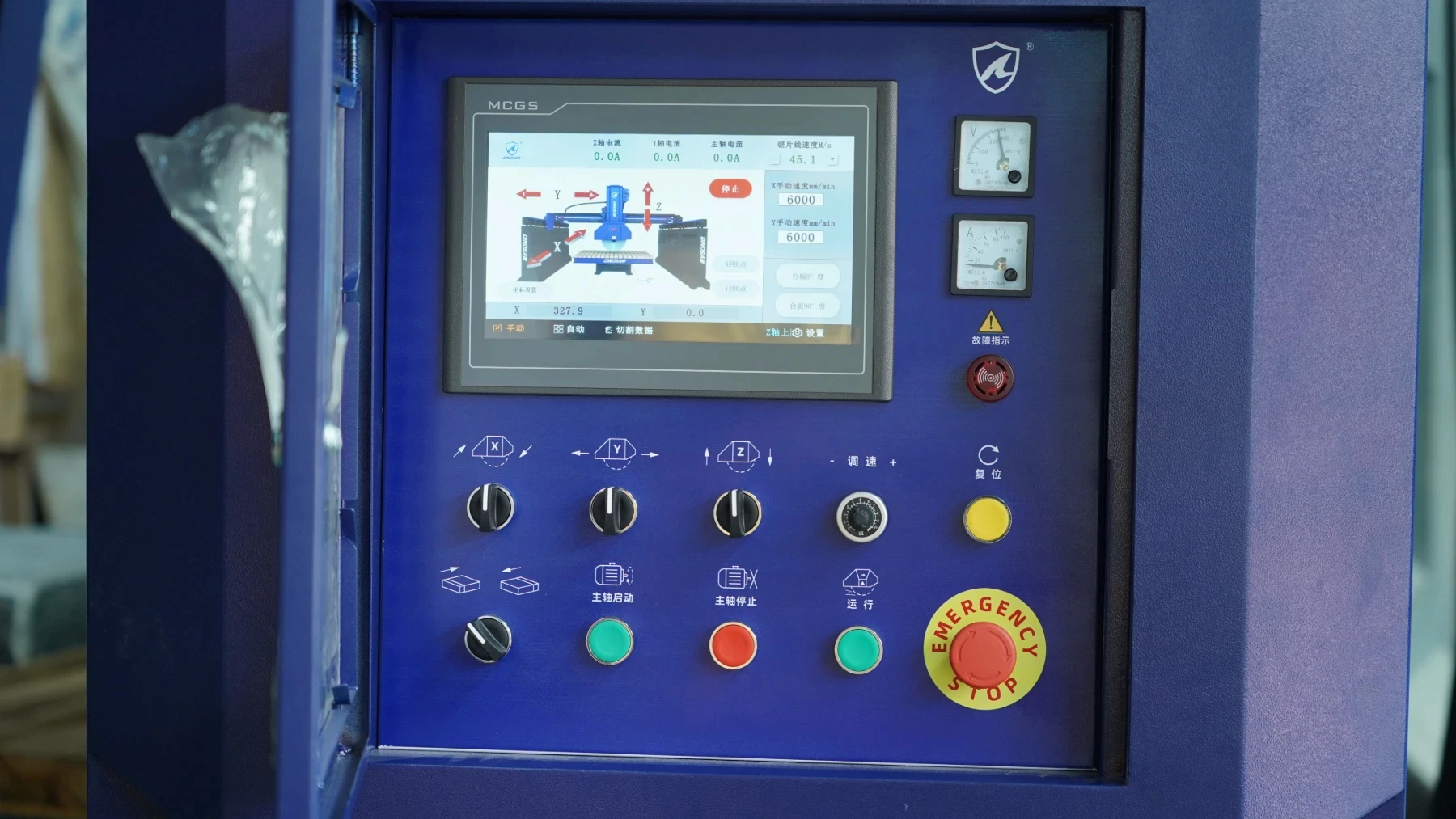
Include:
For customized process design or deeper technical consultation, you can also contact the Dinosaw team.
Choose based on actual geometry complexity, not headline marketing level. If your weekly jobs include many multi-angle or contour-intensive parts, evaluate higher-axis options with sample testing.
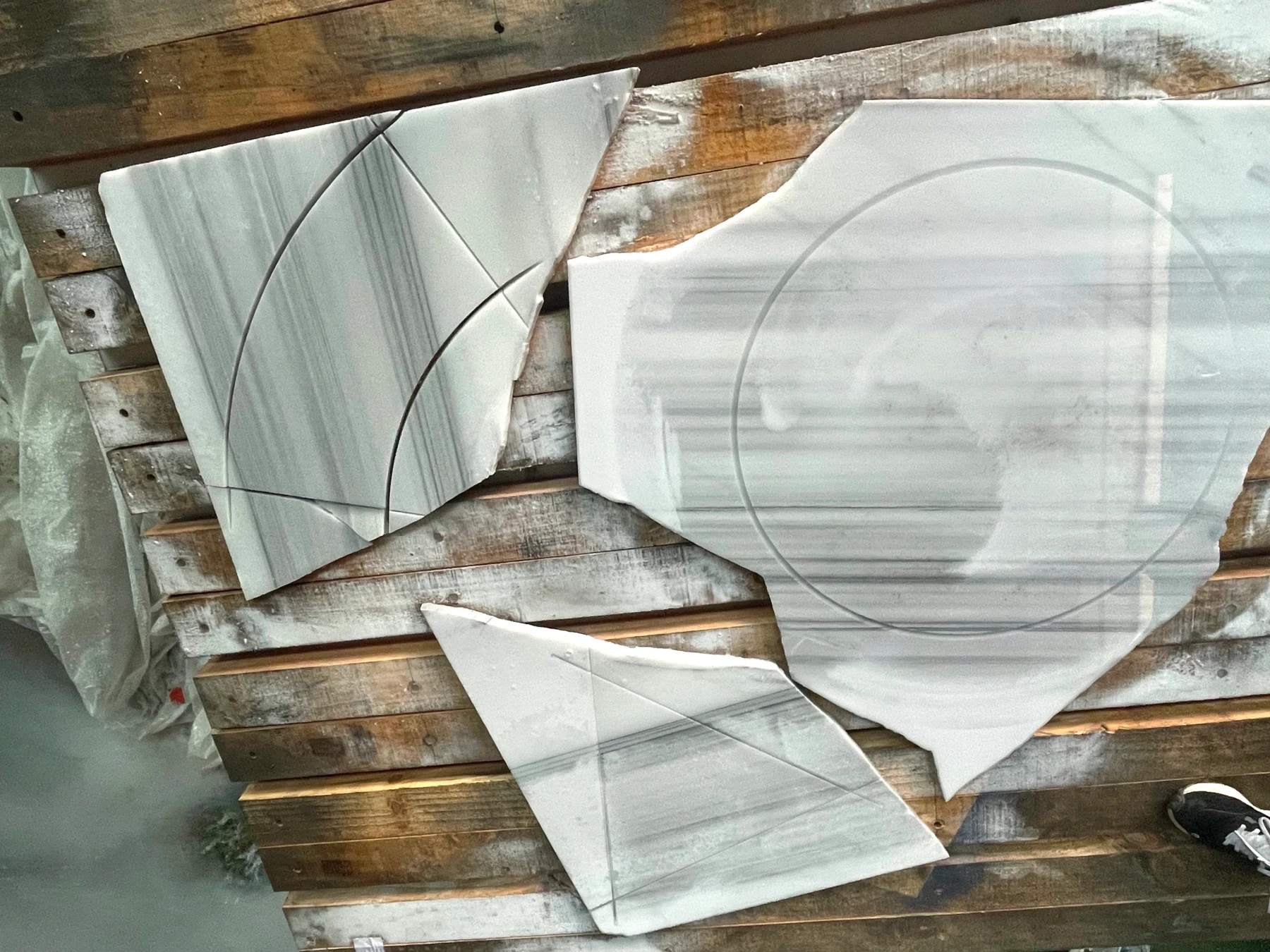
Compare them under the same sample conditions and acceptance criteria. Focus on repeatability, edge consistency, and downtime behavior, not only nominal parameters.
Provide target tolerance by key feature type, your inspection method, and pass/fail criteria. This avoids generic proposals and improves model-fit accuracy.
Check response process, spare-parts coverage, remote support readiness, and commissioning/training scope before purchase.
 English
Get A Easy Solution
Chat Online
Hi, this is Lizzy from Dinosaw ( Not a Robot ). Which Machine ( model ) do you want? Please WhatsApp us now
Hello 👋 How can we help?