Resin Bond Diamond Fickert for Automatic Stone Polishing Lines

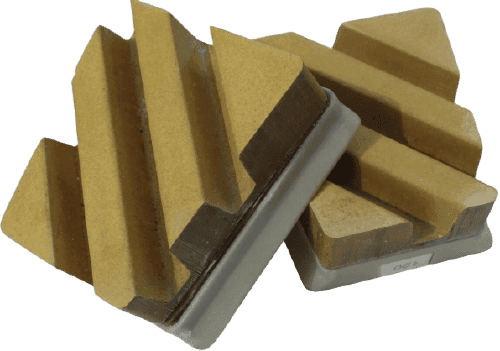
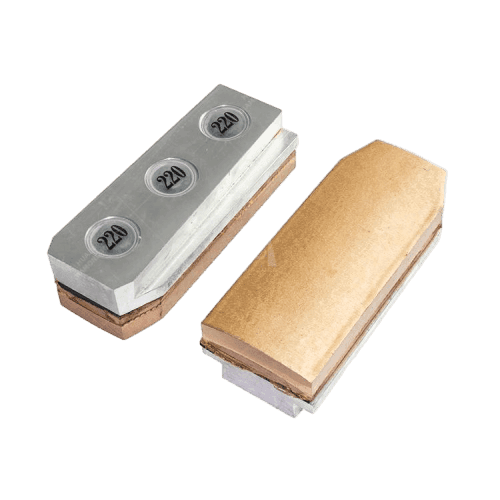
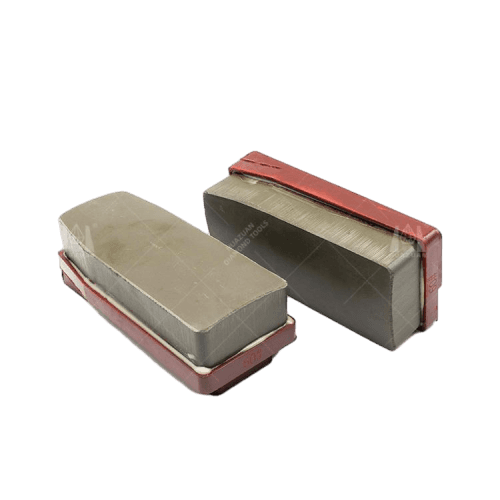
Resin Bond Fickert L140 x H25 mm
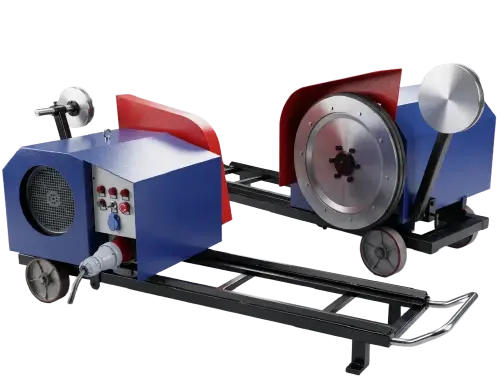
The DINOSAW YHMP-10/12 stone arc-slab polishing machine polishes circular column slabs under PLC control, with vacuum fixation holding the curved slab more reliably than two-side gripping. Ten or twelve polishing heads work across a 350–2,000 mm machinable length, making the machine the finishing stage of the curved-column workflow after the YHQJ trims the slab edges.
40#–3000# + BUFFSixteen grit steps plus a buff grade cover the full polishing sequence on granite, marble and engineered stone slabs.
140 x 25 mmStandard fickert block format that bolts directly into the holders of automatic fickert-head polishing lines.
Dozens x Longer LifeResin bond rated for dozens of times the working life of traditional abrasives, cutting tool changes per shift.

Applicable Materials

Granite, marble, engineered quartz, travertine, limestone, basalt and similar polished dimension stone slabs

Certifications & Credentials

CE Certified · ISO 9001:2015 · Industry Standard Drafting Participant · 120+ Countries & Regions Served

Resin Diamond Fickert Applications & Materials

Resin fickerts work at the finishing station of automatic polishing lines, where slabs that arrive already ground leave with commercial gloss.

Real Polishing Performance & Key Metrics

The resin bond diamond fickert is the finishing program in fickert format for automatic polishing lines with fickert heads — the same life, efficiency and stability story as resin frankfurt abrasives, cast in the 140 x 25 mm block geometry that fickert-head machines use. Sixteen grit steps from 40# to 3000# plus BUFF let one line run from rough polish to mirror gloss without changing suppliers mid-sequence.

16 Grits + BUFF

Full Finishing Ladder

Grits 40#, 60#, 80#, 100#, 120#, 180#, 220#, 320#, 400#, 600#, 800#, 1000#, 1200#, 1500#, 2000# and 3000# plus BUFF let the line skip or follow every step between rough polish and final buff from one program.

140 x 25 mm

Fickert Block Format

The 140 mm long, 25 mm high block seats in standard fickert holders on automatic polishing heads, so the program fits machines already running fickert tooling without head modification.

Dozens x Life

Working Life vs Traditional Abrasives

The resin bond matrix is rated for dozens of times the working life of traditional abrasives, so one set survives production runs that would consume several sets of conventional tools on the same heads.

Fewer Changeovers

Stable Continuous Runs

Long uninterrupted runs mean fewer tool changes per shift, less re-set time between changes, and steadier gloss from the first slab of the shift to the last.

Applicable materials: Granite, marble, engineered quartz, travertine, limestone, basalt and similar polished dimension stone slabs.

Typical products: Polished slabs for countertops, tiles, vanity tops and cut-to-size programs that must leave the line at uniform commercial gloss.

Actual tool life, gloss development and consumption rate vary with stone hardness and abrasiveness, grit step, line pressure, water supply and operator settings.

Resin Bond Diamond Fickert Specifications

There is one block format in this program: resin bond, fickert shape, 140 mm long and 25 mm high. Selection is therefore about the grit program, not the block size — choose the grit sequence your polishing line runs, from 40# rough polish through 3000# fine polish to the BUFF final pass. Confirm first that your machine uses fickert-style heads; frankfurt-head lines need the frankfurt format instead.

ItemResin Bond Diamond Fickert
BondResin
FormatFickert
Length (mm)140
Height (mm)25
Grits40#, 60#, 80#, 100#, 120#, 180#, 220#, 320#, 400#, 600#, 800#, 1000#, 1200#, 1500#, 2000#, 3000#, BUFF

Core Technology & Abrasive Structure

Six engineering decisions behind the resin fickert abrasive design. The numbered points on the tool diagram correspond to the systems below.

Dinosaw machine Resin bond diamond fickert

Resin Fickert Polishing Workflow

1 · Mount & seat: clean the fickert holder, bolt the 140 x 25 mm blocks in with even torque and confirm each face sits flat. 2 · Program the grit sequence: set the line heads to the planned steps, from 40# rough polish through the 3000# pass to BUFF. 3 · Run the line: pass slabs through at working pressure with steady water flow, letting each grit remove the scratch pattern of the previous one. 4 · Inspect & advance: check gloss at each stage, replace full head sets together when wear limits are reached, and move the batch to the next grit or packing.

01

Resin Bond Matrix

The diamond grains sit in a resin matrix that wears gradually and releases worn diamond at a controlled rate. In polishing duty this self-sharpening behavior keeps the cutting face active through long runs instead of glazing over the way harder bonds do on finishing passes.

02

Sixteen-Step Grit Ladder

The program is cast in sixteen grits from 40# to 3000# plus BUFF, all in the same block format. A line can run the full sequence or skip steps, and every step bolts into the same holder, so the whole finishing schedule is managed as one tooling program.

03

140 x 25 mm Block Geometry

The long, flat 140 x 25 mm block gives a wide working face per head and matches the standard fickert holder spacing on automatic lines. Correct seating keeps the block face parallel to the slab, which is what makes gloss uniform across the full slab width.

04

Fickert Holder Interface

The block base is machined to seat flat in fickert-style head holders with even bolt-down torque. A flat, vibration-free seat protects both the block and the holder, and it is the detail that decides whether a long-life bond actually delivers its rated life.

05

Uniform Wear Profile

Consistent diamond distribution in the resin mix lets the block wear evenly across its working face. Even wear means the head pressure stays predictable from mounting to replacement, so late-run slabs receive the same finish as fresh-tool slabs.

06

Water-Cooled Polishing Design

Resin bonds need steady cooling water to wear correctly and develop gloss. The block is designed for standard line water delivery at the polishing zone, and keeping that flow stable is the operator-side condition for reaching the rated tool life.

Resin Bond vs. Metal Bond Diamond Fickert

Choose by process stage: metal bond fickerts grind and level the slab, resin bond fickerts polish it to commercial gloss.

Resin Bond vs. Metal Bond Diamond Fickert
Metal Bond Diamond FickertVSResin Bond Diamond Fickert
Metal matrix holds diamond aggressively for fast material removalBond behavior✓ Resin matrix releases worn diamond gradually for controlled finishing
Grinding, calibration and saw-mark removal after cuttingProcess stage✓ Polishing and surface finishing after the grinding stage
Coarse grinding grits focused on removalGrit coverage✓ 40# to 3000# plus BUFF — the full finishing ladder
Removes stock but leaves a deeper scratch patternSurface result✓ Refines scratch pattern and builds commercial gloss
Fits fickert heads on grinding and combined stationsMachine head✓ Fits fickert heads; frankfurt-head lines need the frankfurt format
Long life in grinding duty on hard stoneWorking life✓ Dozens of times the life of traditional abrasives in finishing duty
Leveling and stock removal before polishingBest for✓ Polishing lines that run from rough polish to mirror buff with fewer tool changes

Note: configurations vary by brand and model; actual performance depends on the specific machine, material and working conditions.

The Manufacturer Behind the DINOSAW Fickert Abrasive Program

DINOSAW is a manufacturer of CNC stone processing machinery, specializing in diamond wire saw machines and CNC stone cutting equipment. With more than 20 years of R&D and manufacturing experience, DINOSAW contributes to industry standards including T/CMES 41001-2025 for CNC wire saw machines, holds 100+ technical patents, and supplies equipment and technical support to customers in 120+ countries and regions. Its manufacturing and management systems are certified to ISO 9001, ISO 14001 and ISO 45001, with CE-compliant machinery for international markets.

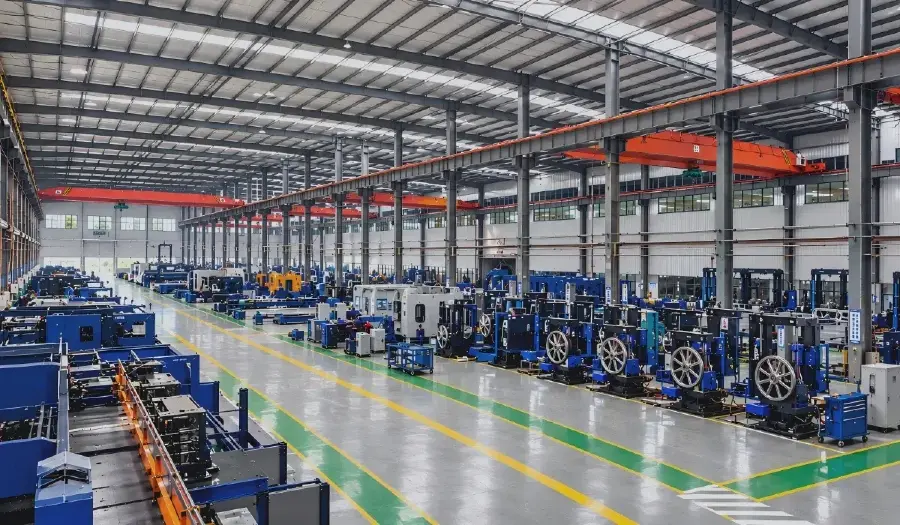
DINOSAW CNC stone machinery manufacturing workshop
DINOSAW R&D & ManufacturingMechanical Design · CNC Control Development · Assembly · Testing · Commissioning · Global Delivery
Industry Standard Drafting

DINOSAW contributes to industry standards for stone machinery, including T/CMES 41001-2025 for CNC wire saw machines, as well as standards covering multi-wire saws, combined wire saw machines and five-axis bridge cutting equipment. This work reflects the company’s long-term involvement in machine design, manufacturing, testing and quality control.

20+Years of Stone Machinery R&D & Manufacturing Experience
100+Technical Patents — Covering machine structures, CNC control, cutting systems and stone processing technologies
120+Countries & Regions Served — Equipment, installation and technical support worldwide

CE Compliance & ISO Management Systems

CE: Stone cutting machinery assessed against Machinery Directive 2006/42/EC and relevant EN standards.
ISO: Management systems certified to ISO 9001, ISO 14001 and ISO 45001.

Resin Fickert Mounting, Supply & After-Sales Support

DINOSAW provides mounting guidance, grit-sequence planning, remote diagnosis and spare-parts coordination for every abrasive program.

Holder CompatibilityFickert head holders

Confirm machine brand, head type and holder dimensions against the 140 x 25 mm block format before ordering.

Grit Program16 grits + BUFF

Grit sequence configured per line and stone type; supply planned per consumption rate.

Water SupplySteady line water at the polishing zone

Resin bonds need continuous cooling water to wear correctly and develop gloss.

01 · Pre-Shipment & DeliveryMachine configuration, packaging and transport requirements confirmed before dispatch, with factory inspection and documents verified.
02 · Installation & CommissioningOn-site utilities and foundation check, machine positioning, commissioning and acceptance.
03 · Operator TrainingHands-on training covering routine CNC operation and daily checks of blades, spindles, cooling and lubrication.
04 · After-Sales SupportRemote technical assistance, maintenance support and spare parts coordination throughout the machine's service life.

Resin Bond Diamond Fickert Selection, Mounting & Operation FAQ

Answers to the main buying questions around fickert versus frankfurt format, resin versus metal bond, grit-sequence planning and quotation preparation.

The difference is the holder geometry, and your machine decides which one you buy — not the stone and not personal preference. A fickert is a long, flat abrasive block, 140 mm long and 25 mm high in this program, that bolts into the rectangular holders of fickert-head polishing machines. A frankfurt is a shorter block with a different base profile that seats in the frankfurt-style heads used on many European-designed automatic polishers. The two are not interchangeable: a frankfurt will not seat correctly in a fickert head and vice versa, so the first filter in selection is the make and model of your polishing line. Check the machine manual, or measure an existing holder and block before ordering. What stays identical across the two formats is the working story — resin bond, long service life, stable continuous polishing — because the same resin formulation is simply cast in two different block geometries. If your line runs fickert heads, this is your product; if it runs frankfurt heads, choose the resin frankfurt version instead. And if the job is grinding rather than polishing, look at metal bond tools in the matching format.

Choose by process stage, because the two bonds are built for different jobs. Metal bond fickerts are grinding tools: the metal matrix holds diamond aggressively and removes material fast, which makes them right for calibration, saw-mark removal and leveling after cutting. Resin bond fickerts are finishing tools: the resin matrix releases worn diamond gradually and polishes rather than plows, taking the surface from 40# rough polish up through 3000# and the final BUFF pass. If a slab still needs stock removal or thickness correction, buying resin fickerts first would be a mistake — they will load up and glaze without delivering the removal you need. Run metal bond tools for grinding, then switch to resin when the surface is ready for polishing. A typical automatic line carries both: metal fickerts in the early heads for leveling, resin fickerts in the later heads for gloss. When you contact DINOSAW, describe which stage you are equipping and the recommendation will follow the stage rather than the habit.

Send five pieces of information and the quotation comes back configured instead of generic. First, your machine: brand, model and head type — fickert or frankfurt — because the holder geometry sets the block format before anything else. Second, your grit program: which steps the line actually runs, for example 40#, 120#, 220#, 400#, 800#, 1500#, 3000# plus BUFF, since most lines skip grits rather than run all sixteen. Third, the stone: granite, marble, engineered quartz or a mix, because hardness and abrasiveness decide which grit steps wear fastest and how consumption should be planned. Fourth, consumption data: how many blocks mount per head and roughly how many sets the line uses per month, so supply can be scheduled as a program rather than spot orders. Fifth, destination country and delivery preference. With these, DINOSAW confirms the 140 x 25 mm resin fickert specification, quotes per grit step, and can align deliveries with your polishing-line maintenance plan so a grit step never stops the line waiting for tools.

Two numbers drive the economics of this program. Working life: the resin bond is rated for dozens of times the service life of traditional abrasives, so a set mounted on the line survives production runs that would otherwise consume several sets of conventional tools. Changeover time: every tool change on an automatic line costs minutes of stopped heads plus re-setting of pressure, so fewer changes directly convert into more polished slabs per shift. Stability is the third part of the story: because one set keeps cutting uniformly through a long continuous run, gloss stays consistent across the shift — the late-afternoon slabs leave with the same finish as the early-morning ones. Factories see the benefit most clearly on hard granite programs, where abrasive consumption is the highest consumable cost on the line. To get the full rated life, keep the water flow steady at every head, advance through the grit ladder without skipping more than one step, and replace a full head set together rather than mixing fresh and worn blocks on the same head.

These fickerts are made for automatic polishing lines with fickert-style heads: the long rectangular 140 x 25 mm blocks bolt directly into the standard holders on most automatic bridge-type and continuous-line polishers. To confirm compatibility before ordering, send three things — your machine brand and model, a photo of the head and holder, and the dimensions of an abrasive block you currently use. DINOSAW checks holder spacing, bolt pattern and seating surface against the 140 x 25 mm format and flags any mismatch before production. Mounting follows the standard line routine: clean the holder seat, bolt each block in with even torque so the working face sits flat, dress the new set briefly if your procedure calls for it, then bring the head down to working pressure. Also confirm the line delivers adequate water to the polishing zone, because resin bonds need steady cooling water to wear correctly and develop gloss. If your machine uses frankfurt-style heads instead, the resin frankfurt format carries the same bond and grit range for that holder geometry.

Contact Dinosaw

Discuss Resin Bond Diamond Fickert Pricing, Grit Program & Supply

Are you looking for the perfect cutting machines or processing solutions for hard and brittle materials?

Facing challenges in stone quarrying, countertop cutting, concrete and underwater pipeline cutting, stainless steel rust removal and grinding, luxury thin slab cutting, agate and gemstone cutting, graphite cutting, or even building demolition?

Leave your inquiry, and you can expect a reply within 12 hours with tailored solutions!

Prefer email?

You can also reach us at

gma@dinosawmachine.com
Resin Bond Diamond Fickert for Automatic Stone Polishing Lines

What materials will you be working with? *

Your Name / Company Name? *

Phone Number / Email Address? *

+86

What specific requirements do you have?

Get A Easy Solution

Chat Online
Ms.Lizzy

Hi, this is Lizzy from Dinosaw ( Not a Robot ).  Which Machine ( model ) do you want? Please WhatsApp us now

WhatsApp Chat Now
Contact Us

Hello 👋 How can we help?