


 中文
中文 Italian
 Türkçe
 Português
 Español
 Deutsch
 العربية
 Tiếng Việt
 Français
 Русский
 한국어
한국어


Ms.Lizzy
Hi, this is Lizzy from Dinosaw ( Not a Robot ). Which Machine ( model ) do you want? Please WhatsApp us now


Open Hours:8:30am-20:30pm

WhatsApp: +86 198-5901-3937
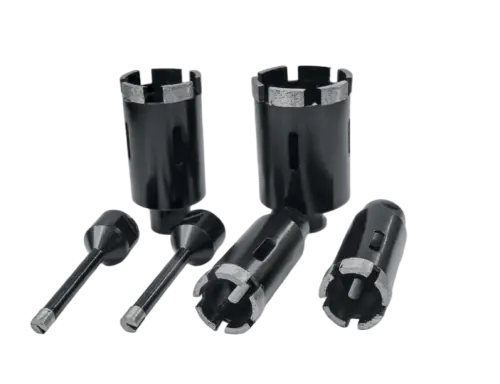
25-356mm


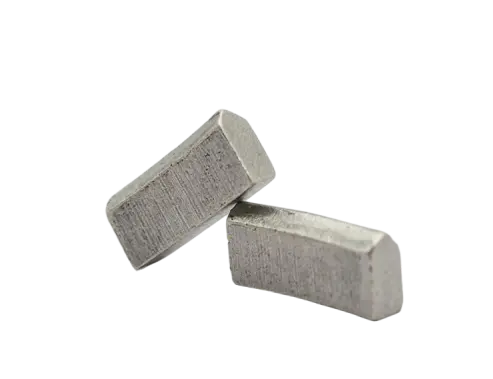
Materials & Applications from Concrete to Porcelain
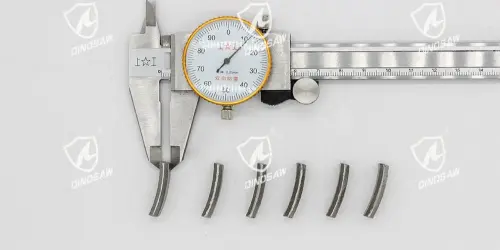
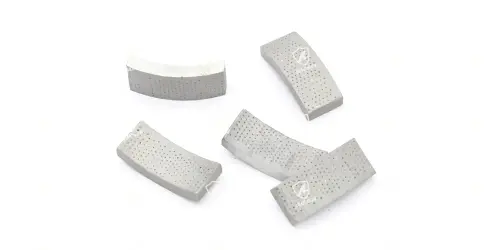
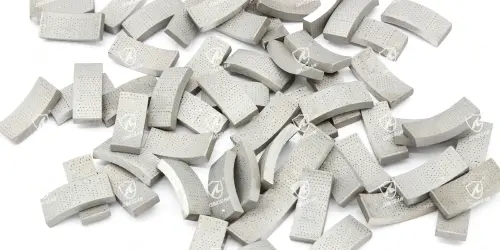

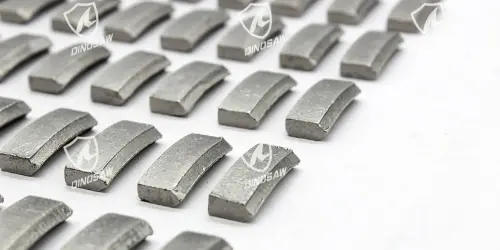
Intro: For HVAC openings in cast‑in‑place concrete, you need fast, low‑spalling diamond core drilling that keeps dust down and layout accurate.
Process: Rooftop/turbo crowns with balanced metal bond and wet coring improve cooling, slurry/chip evacuation and hole straightness; laser‑weldable geometry supports re‑tipping and stable RPM/line speed.
Benefits: The payoff is faster penetrations, clean entry/exit edges and less patching, reducing downtime across shafts and sleeves.
Recommended segment: Roof Type for fast feed and clean entry.
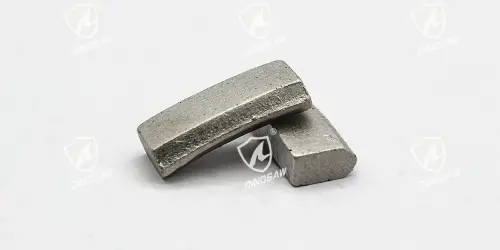
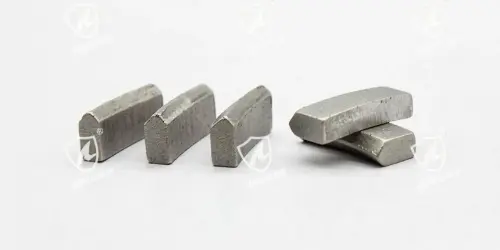

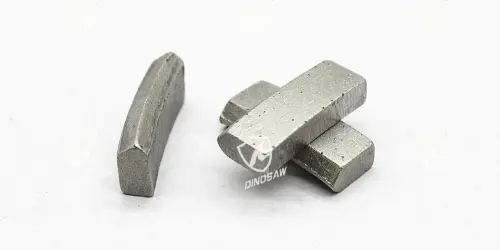
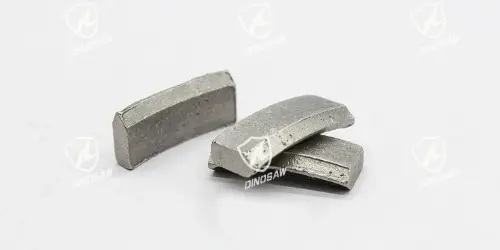
Intro: In RC walls/slabs, rebar introduces impact, heat and deflection.
Process: Tougher bond segments with chip‑breaker notches and wider slurry channels stabilize through‑bar drilling; wet coring controls temperature and silica dust, improving safety and cut quality.
Benefits: You get steady progress, longer segment life and safer structural penetrations for anchors, sleeves and services.
Recommended segment: Straight Groove or Arix for cooling and balanced force under wet coring.

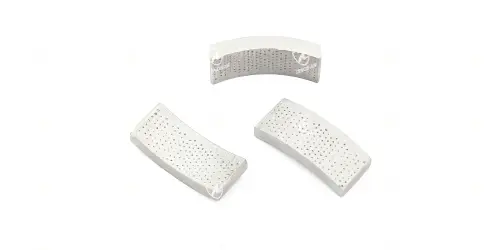
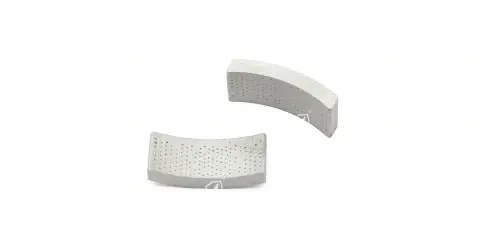


Intro: Abrasive masonry/brick wears tools quickly while indoor work may limit water.
Process: Softer‑bond segments deliver fast cutting and reliable chip removal under dry coring; choose geometry that clears swarf without glazing, and use gentle feed for neat holes.
Benefits: The result is swift pass‑throughs with cleaner walls and fewer stoppages on utility routes.
Recommended segment: M‑Shape Pit for swift cooling and chip ejection.
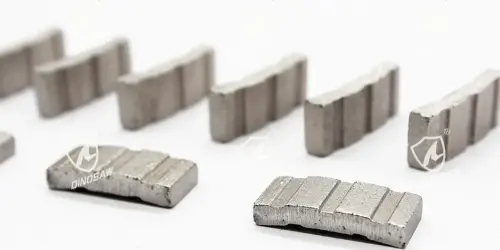
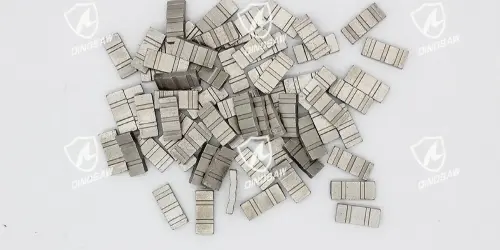
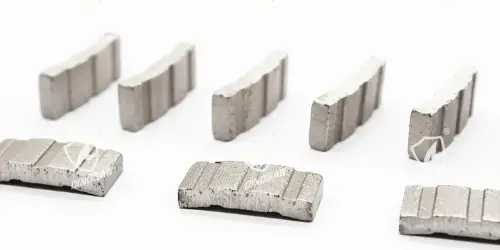
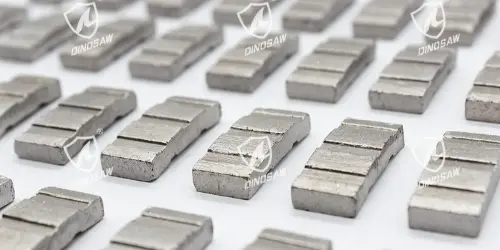
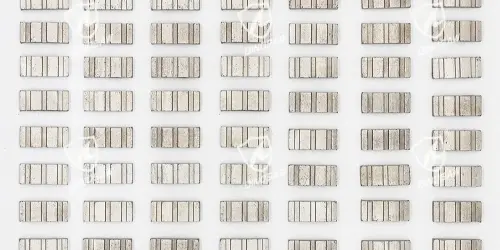
Asphalt coring prioritizes cylindrical integrity for lab testing and QA.
Process: Open‑structure segments with efficient slurry paths reduce bit drag and keep cores intact; wet coring further improves cooling and segment life.
Benefits: Expect accurate samples, smoother extraction and better economy on pavement investigations.
Recommended segment: Groove Dot for large chip space and strong removal.
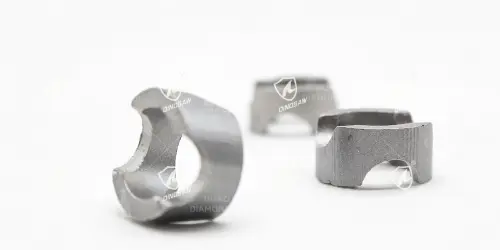
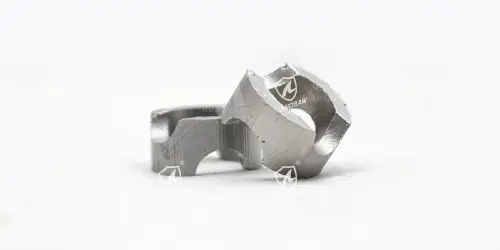

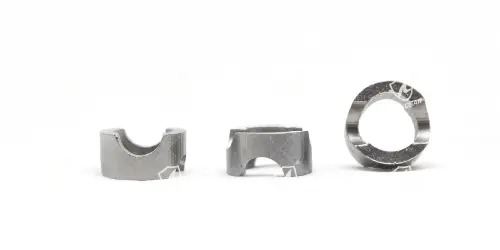
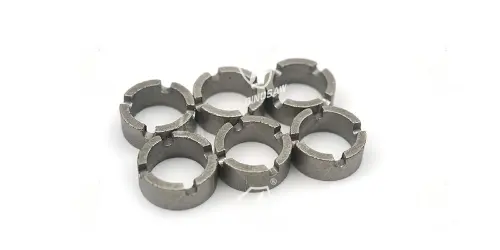
Intro: Brittle porcelain/ceramic chips easily under heat and high feed.
Process: Fine‑grit segments and gentle feed rates, preferably wet coring, keep edges clean and hole position precise; crown or dot‑tip geometries help start and guide small diameters.
Benefits: Benefits include low chipping, tight tolerances and premium finishes around fixtures.
Recommended segment: Crown type or Dot Tip for clean small‑diameter holes.
Specifications customizable upon request.
| Diameter | Specification | Teeth No. | Diameter | Specification | Teeth No. | ||
|---|---|---|---|---|---|---|---|
| Inches | mm | mm | pcs | Inches | mm | mm | pcs |
| 1" | 25 | 16×3.5×10 | 3 | 4-1/2" | 114 | 24×4.0×10 | 10 |
| 1-1/8" | 29 | 16×3.5×10 | 4 | 4-3/4" | 120 | 24×4.0×10 | 10 |
| 1-1/4" | 32 | 16×3.5×10 | 4 | 5" | 127 | 24×4.0×10 | 10 |
| 1-1/2" | 38 | 16×3.5×10 | 4 | 5-1/2" | 140 | 24×4.0×10 | 11 |
| 1-5/8" | 42 | 16×3.5×10 | 5 | 5-3/4" | 146 | 24×4.0×10 | 11 |
| 1-3/4" | 45 | 16×3.5×10 | 5 | 6" | 152 | 24×4.5×10 | 12 |
| 1-7/8" | 48 | 16×3.5×10 | 5 | 6-1/4" | 159 | 24×4.5×10 | 12 |
| 2" | 51 | 24×3.5×10 | 5 | 6-1/2" | 165 | 24×4.5×10 | 12 |
| 2-1/4" | 57 | 24×3.5×10 | 5 | 7" | 178 | 24×4.5×10 | 13 |
| 2-1/2" | 63 | 24×3.5×10 | 6 | 8" | 203 | 24×4.5×10 | 14 |
| 2-3/4" | 70 | 24×4.0×10 | 7 | 9" | 229 | 24×4.5×10 | 16 |
| 3" | 76 | 24×4.0×10 | 7 | 10" | 254 | 24×4.5×10 | 16 |
| 3-1/4" | 82 | 24×4.0×10 | 7 | 11" | 280 | 24×5.0×10 | 18 |
| 3-1/2" | 89 | 24×4.0×10 | 8 | 12" | 305 | 24×5.0×10 | 24 |
| 4" | 102 | 24×4.0×10 | 9 | 13" | 330 | 24×5.0×10 | 24 |
| 4-1/4" | 108 | 24×4.0×10 | 9 | 14" | 356 | 24×5.0×10 | 24 |
Precision Coring, Longer Life.
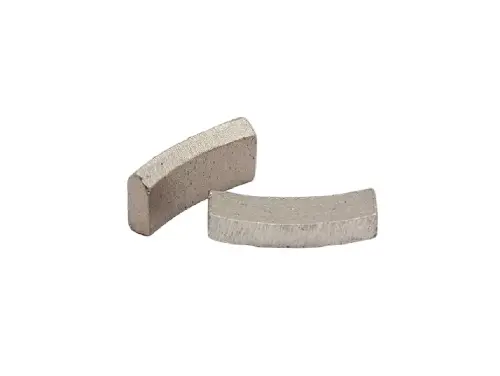
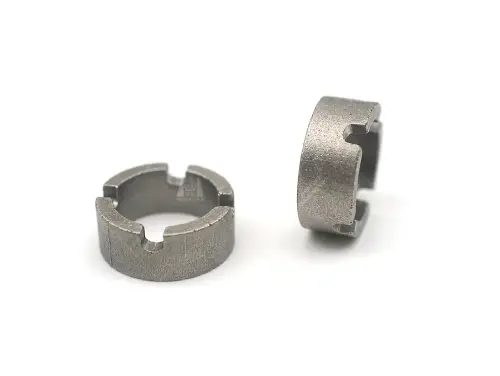
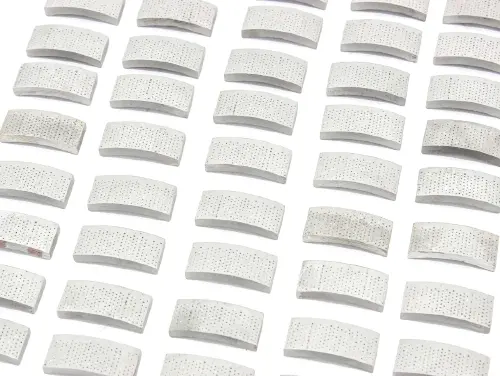
Rooftop/turbo crowns and balanced bonds speed coring while controlling chipping for smoother hole walls.
Segment geometry supports reliable re‑tipping to extend tool life and reduce downtime.
Tough bonds and chip‑breakers enhance stability under rebar impacts, especially in wet mode.

Versatile Across Materials
One segment family covers concrete, RC, masonry, asphalt and ceramics.

Lower Total Cost of Ownership
Maintenance‑friendly crowns and re‑tipping path reduce lifecycle cost.

Certified Quality & Safety
ISO 9001 and CE marking are declared across the range.
Common Questions About Diamond Segments for Core Drill Bits
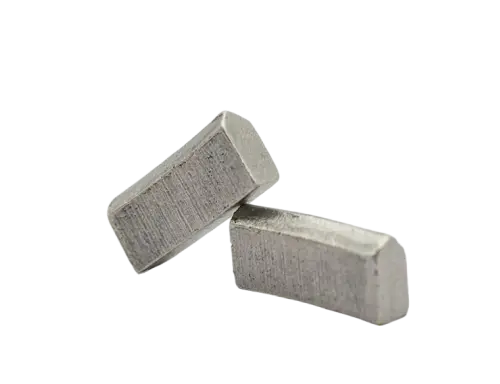
A diamond segment is the cutting tooth (or coring head) of a core bit. It consists of industrial diamonds sintered within a metal bond matrix and is typically laser-welded to the bit's crown. The specific geometry of the segment is designed to guide coolant for wet coring and efficiently manage chip/slurry evacuation.
When selecting segments, match the shape and bond to your specific material and application. Always verify that the products carry the necessary safety and quality certifications, such as EN 13236,oSa, and CE.
Yes. Our segments are engineered for high performance across various materials, including:For reinforced concrete and deep holes, we recommend wet coring.
Pick diamond segment shapes per job: use Roof/Turbo for concrete HVAC; Straight Groove/Arix for RC (wet); M‑pit for masonry; Groove Dot for asphalt; and Crown/Dot Tip for small‑diameter tiles.
The choice between wet and dry coring depends on site constraints, the material being drilled, and the required depth.
The segment's geometry directly impacts drilling speed, entry quality, and the final finish. Here is a quick guide for matching segment shapes to applications:
Always verify the core bit's interface (threads/adaptors) for compatibility with your rig and check for CE compliance. It's good practice to perform a test on an off-cut piece before starting production drilling.
Diamond coring speed vs segment life: optimizing performance requires balancing the penetration rate (speed) with the segment's wear rate (life). The key is in the formulation:
A typical segment height is 8–12 mm, providing substantial operational life. Monitor for glazing (a sign the bond is too hard) and dress the segment to re-expose diamonds. Track the number of holes drilled per segment to manage your Total Cost of Ownership (TCO) and schedule timely re-tipping based on your target RPM/line speed.
Ensuring core drill rig compatibility, including the connection thread and diameter range, is crucial for safety and performance.
Customization supported—no compatibility worries; standard coring head diameters: Ø25–356 mm.After re-tipping, it's important to check for proper balance and minimal runout.
Before ordering, confirm CE labelling and any specified torque settings for the connection. Share your target RPM and line speed with your supplier to ensure the segment bond is correctly matched.
We provide robust assurance through:We provide all necessary documentation, including a link to the CE Declaration of Conformity (DoC). Upon delivery, verify the CE mark on product/packaging and file the ISO 9001 documentation with your project records.
Recognizing wear signs and acting promptly is key to maintaining cutting efficiency and avoiding damage. Look for these two common signs:
Establish scheduled dressing cycles based on your application. Keep spare segments on hand to minimize downtime. Log maintenance actions and track the number of holes drilled to help with future planning.
Setting the correct rotational speed (RPM) is vital for safety, efficiency, and tool life. Recommended RPM varies by diameter. Use these ranges as a starting guide:
For reinforced concrete, always prefer wet coring and monitor the temperature and slurry.
Always start at a lower RPM and gradually increase to the optimal speed, avoiding chatter and vibration. Ensure your RPM setting aligns with the recommended surface speed (line speed) for the material.
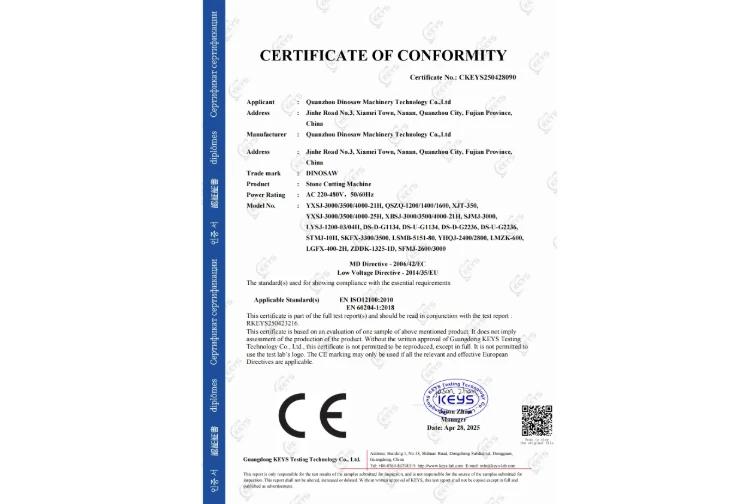
CE Certification
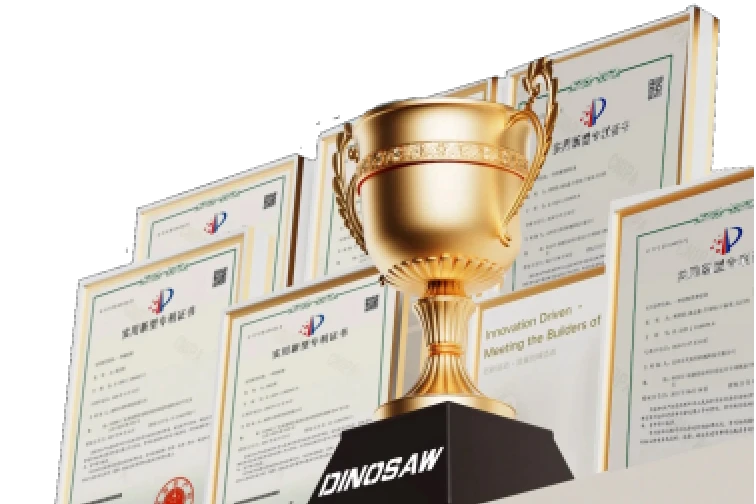
100+ Tech Patents
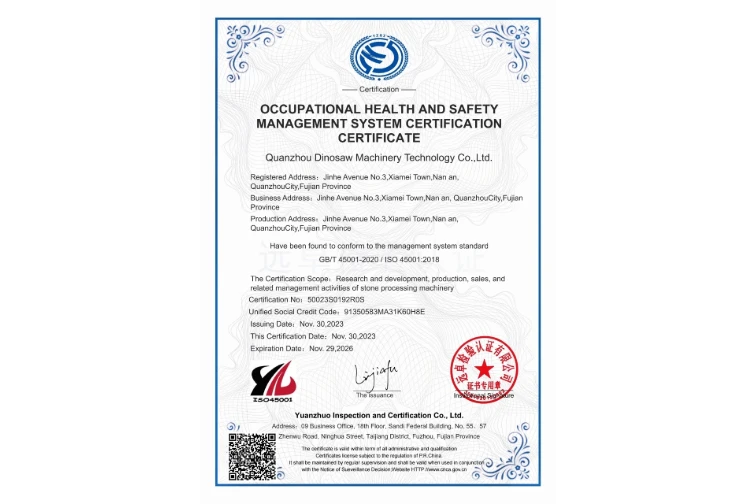
ISO 9001:2015
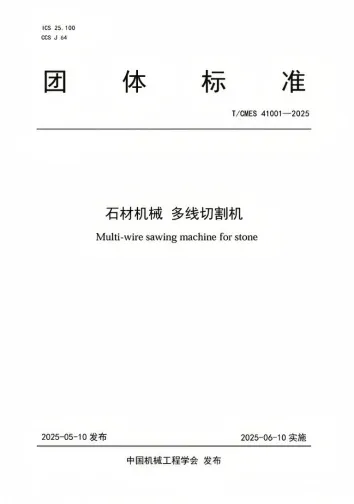
Industry Standards
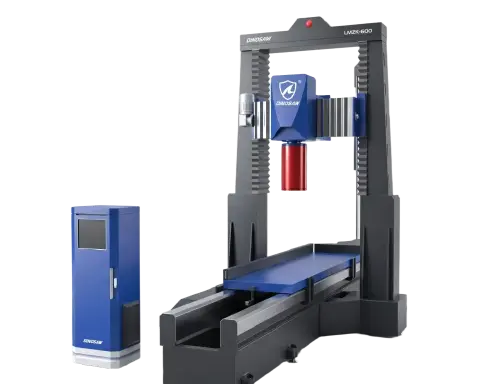
DINOSAW goes beyond merely complying with international engineering standards—we actively lead their formulation. As the principal drafter of key industry benchmarks for Stone Multi-Wire Saw Machines, CNC Wire Saw Machines, and Bridge Saws, we define the rules of precision manufacturing. Backed by ISO 9001, CE certification, and 100+ technology patents, our products guarantee exceptional durability and safety in the most demanding high-load environments.

75+
Countries Served Worldwide

20+
Industry machinery expertise
Trusted by clients in over 75 countries, DINOSAW delivers lifecycle quality traceability and specialized technical support across 20+ machinery sectors. From traditional mining and stone processing to high-precision manufacturing (semiconductors, quartz glass) and specialized fields like nuclear decommissioning, our comprehensive solutions consistently meet the world's most rigorous operational requirements.
Complete Production Solutions & Equipments
Choose equipment combinations for your product needs to establish efficient automated production lines and maximize profitability.
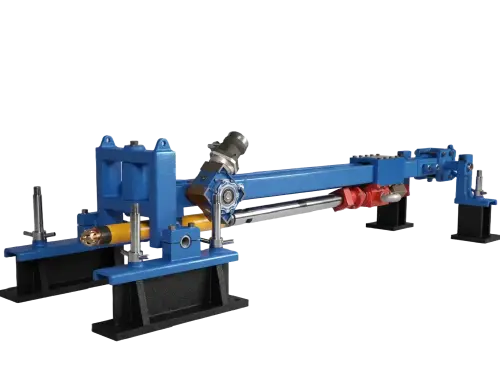
DINOSAW manufactures and supplies industrial CNC machinery. Our equipment is specifically built to process hard and brittle materials with high precision, including natural stone, refractory bricks, quartz glass, graphite, and fiberglass (FRP).
Buy directly from our factory to eliminate middleman markups. We provide processing plants with heavy-duty machines at factory-direct prices, helping you lower equipment costs and shorten your payback period.

We offer profitable wholesale programs for global distributors. For specialized applications, our engineering team provides OEM/ODM customization—adjusting machine dimensions, motor power, and CNC parameters to fit your exact material workflow.

 English
Get A Easy Solution
Chat Online
Hi, this is Lizzy from Dinosaw ( Not a Robot ). Which Machine ( model ) do you want? Please WhatsApp us now
Hello 👋 How can we help?