Why Your Choice of Wire Defines Your Project's Success
Selecting the wrong diamond wire is like using a screwdriver to hammer a nail—it might work eventually, but it will be slow, inefficient, and produce poor results. A mismatched wire can lead to premature breakage, slow cutting speeds, and a rough finish, costing you both time and material.
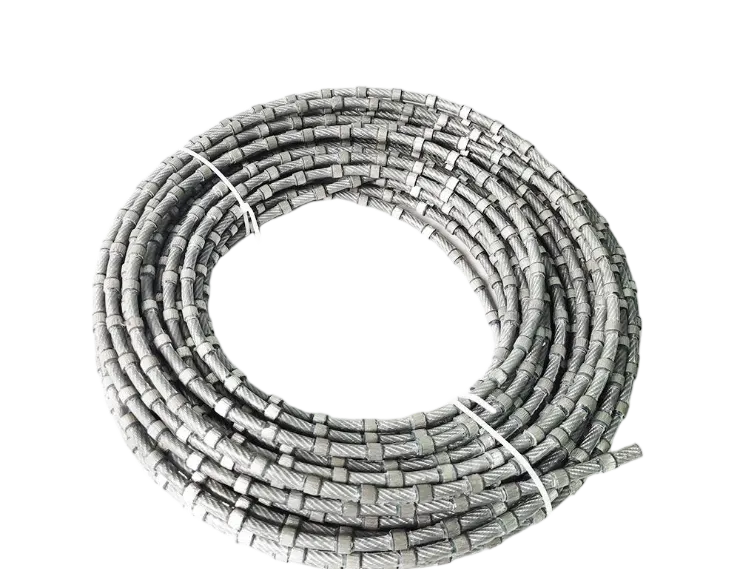
This guide simplifies the process of selecting your diamond wire saw. We'll provide a clear decision framework to ensure you get the right tool for your specific job, maximizing efficiency and profitability. Your 30-Second Decision Guide for Concrete, Marble & Granite Cutting Wire
If you are quarrying large blocks of hard granite and require maximum durability, then a sintered wire on a high-power (≥37kW) Quarry Wire Saw Machine is your best choice. (Risk: High abrasion requires durable beads; incorrect tension causes wire deviation). If you need to cut heavily reinforced concrete for demolition, then a brazed wire with a rubber connection is essential for its aggressive cut and ability to absorb shocks from hitting rebar. (Caution: Wet cutting is mandatory to control silica dust per OSHA standards). If your primary job is slicing high-value marble slabs with a perfect finish, then an electroplated wire is ideal for its precision and minimal chipping. (Risk: Material is fragile; incorrect speed causes chipping, a topic detailed in our Gangsaw vs Wire Saw comparison). If you need to perform complex, non-linear cuts on a CNC machine, then an electroplated wire provides the required accuracy and fine finish. (See our CNC diamond wire saw guide for more). If your project involves underwater cutting of steel piles or structures, then a brazed wire with robust rubber connections is necessary for safety and performance in subsea environments. (Caution: Always follow IMCA guidance for offshore operations). If you are on a tight budget and need a versatile, all-around solution for various materials, then a general-purpose brazed Diamond Wire Saw offers the best balance of cost and speed. (Risk: Lifespan is shorter than sintered wire on highly abrasive materials).
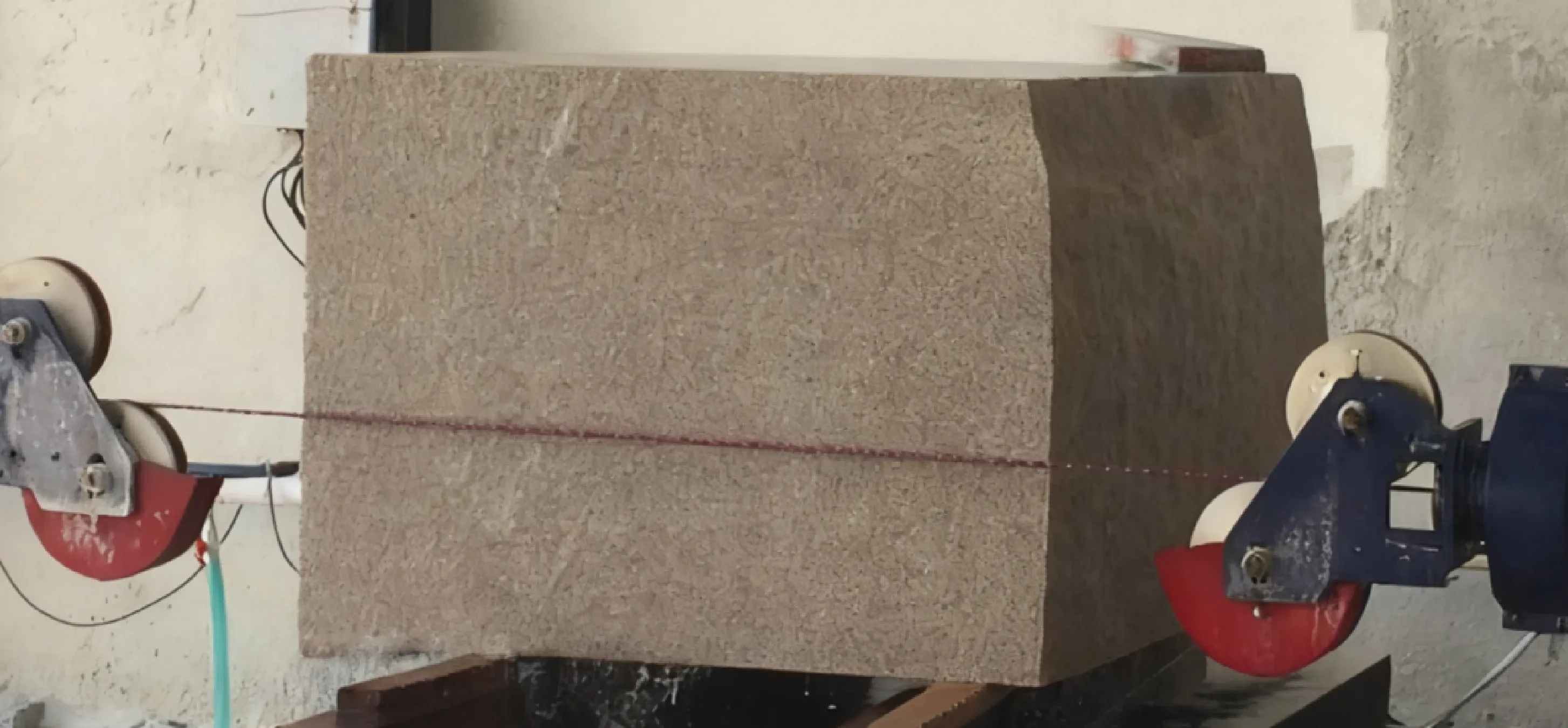
Decision Drivers: What Matters Most in Your Choice?
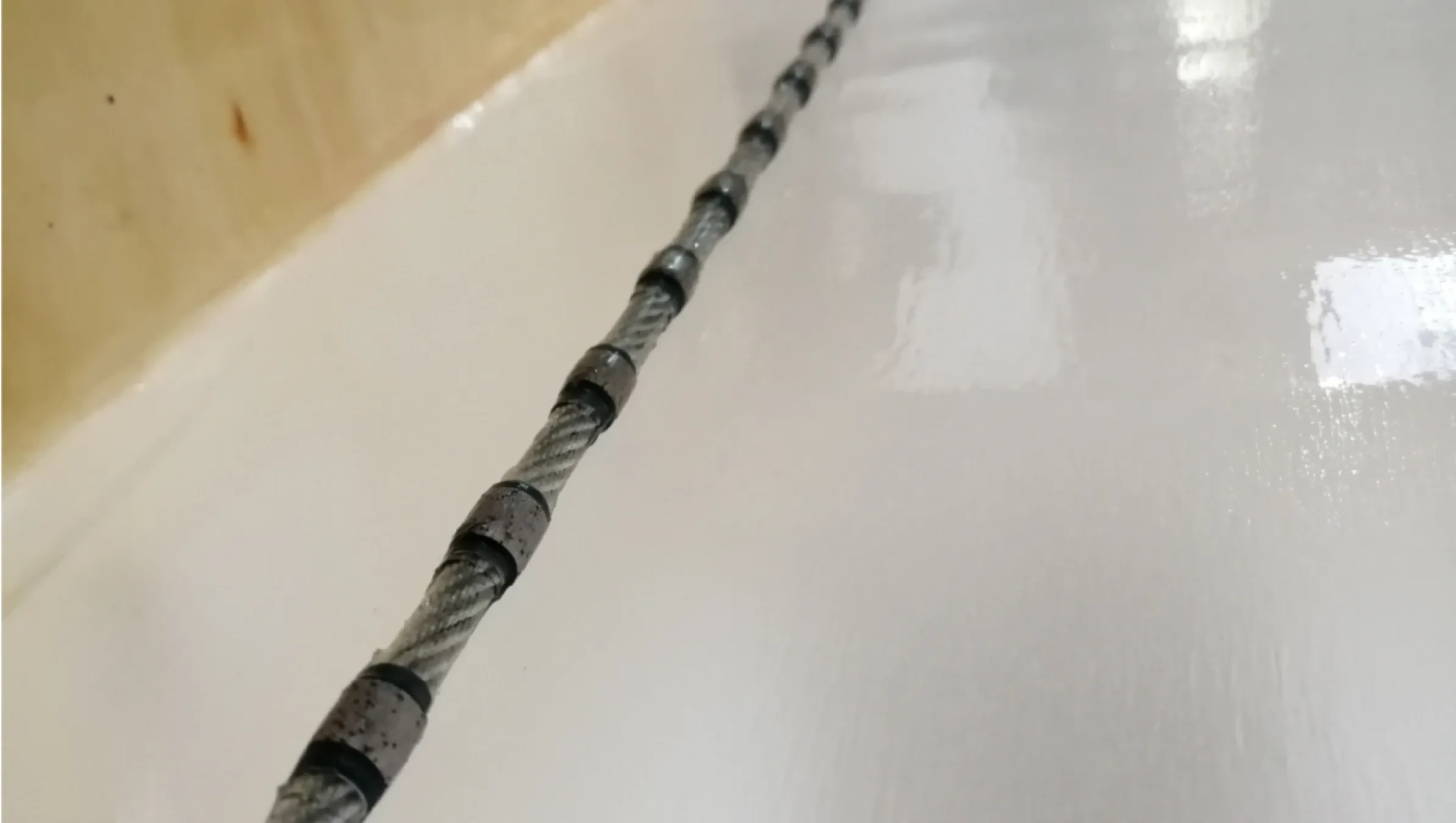
Sintered Wire (For Durability)
Best for high-volume, abrasive materials like granite. The diamonds are mixed throughout the bead, ensuring a long lifespan as it wears down evenly. Choose this for maximum tool life in tough conditions.
Brazed Wire (For Versatility)
The all-rounder. A single layer of exposed diamonds provides an aggressive, fast cut. Ideal for mixed materials like reinforced concrete and general demolition. The best balance of speed and cost.
Electroplated Wire (For Precision)
Designed for fine, delicate work. Provides the smoothest finish, making it perfect for high-value marble, jade, and complex shapes on CNC machines where surface quality is paramount.
Beyond the Wire: Key Procurement Topics to Consider
Total Cost of Ownership (TCO): Look beyond the initial price. Factor in wire lifespan (meters cut per wire), potential downtime, and maintenance costs. A cheaper wire that breaks often is more expensive in the long run.
Spare Parts & Maintenance Window: Can the supplier provide spare parts like pulleys and connectors quickly? A reliable supply chain is critical to minimizing downtime.
Operator Training & Warranty: Does the purchase include operator training? A solid warranty and accessible technical support are signs of a trustworthy partner.
Certifications (CE, ISO): Certifications ensure the product meets international safety and quality standards, which is non-negotiable for professional use.
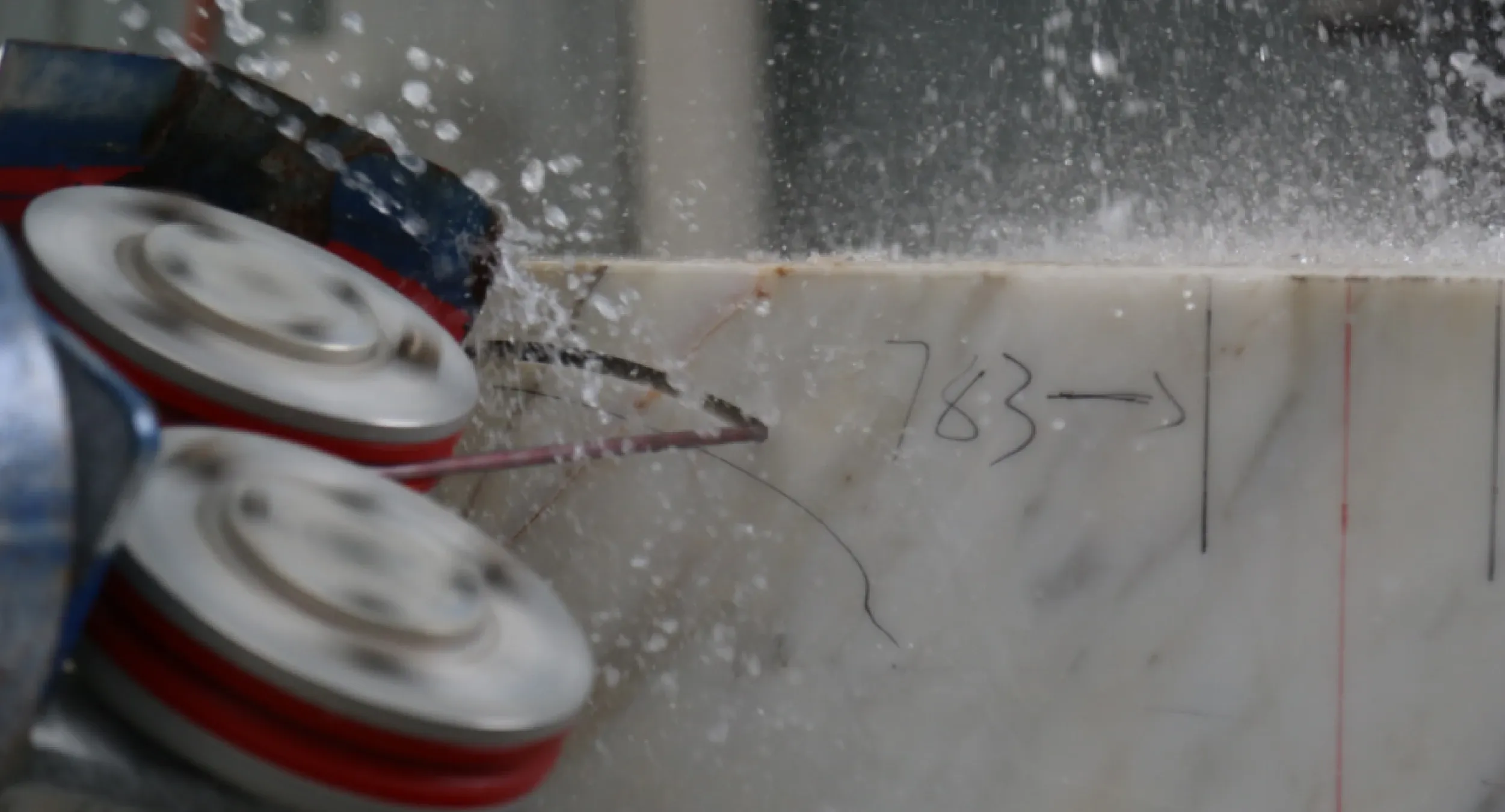
Our Recommendations by Scenario
For Quarries
Preferred: Sintered wire with spring connection.
Alternative: Brazed wire for softer stone.
Not Advised: Electroplated wire (wears out too quickly).
For Fabrication Shops
Preferred: Electroplated or fine-grit sintered wire.
Alternative: Multi-wire machine for high-volume slabbing.
Not Advised: Coarse-grit brazed wire (poor finish).
For Demolition Contractors
Preferred: Brazed wire with rubber connection.
Alternative: Wall saw for shallow, straight cuts.
Not Advised: Sintered wire (can be damaged by rebar).
Summary
Choosing the right diamond wire saw is a strategic decision that directly impacts your operational efficiency, costs, and final product quality. By analyzing your material, cut type, and machine capabilities, you can confidently select a wire that delivers optimal performance. Always prioritize TCO and supplier support over the sticker price for the best long-term investment.
Frequently Asked Questions (FAQs)
Is a more expensive wire always better?
In one sentence: Not necessarily; the "best" wire is the one correctly matched to your material and machine, not the most expensive one.
How do I choose the right wire diameter?
In one sentence: Match the diameter to your machine's specifications; larger diameters offer longer life, while smaller ones are for precision and speed.
Can I use a granite cutting wire on marble?
Yes, but it's not optimal as an aggressive granite wire can chip softer marble.
What's the impact of machine power (kW) on wire selection?
In one sentence: High-power machines can handle aggressive, durable wires, while low-power machines require less aggressive wires to avoid stalling.
Should I choose a wire based on cutting speed or lifespan?
In one sentence: Choose speed for high-volume production where throughput is key, and choose lifespan for remote jobs where changing wires is difficult.
What causes damage to a diamond wire during rebar cutting?
In one sentence: The main causes of damage are improper tensioning, insufficient cooling, and sudden snags on the rebar.
Context:Proper tensioning prevents bowing, sufficient coolant prevents overheating, and a clear path prevents snags. Operator training on these three points is the best way to maximize wire lifespan during rebar cutting.
Next Step:Review OSHA guidelines on wet cutting, which is critical for both safety and cooling.
How many times can a diamond wire be repaired via wire splicing?
In one sentence: A wire can typically be repaired 2-3 times before its integrity is compromised, but this should be limited for safety.
Does water quality affect wire performance?
In one sentence: Yes, highly acidic or alkaline water can corrode the steel core and accelerate wear.
Context:Using clean, pH-neutral water is recommended to prevent corrosion, especially if the wire's protective coating is damaged. In closed-loop systems, filtering slurry is crucial to prevent re-abrasion.
Next Step:Incorporate water quality checks into your preventative maintenance schedule.




 中文
中文 Italian
 Türkçe
 Português
 Español
 Deutsch
 العربية
 Tiếng Việt
 Français
 Русский
 한국어
한국어


 Oct 24, 20256 MIN READ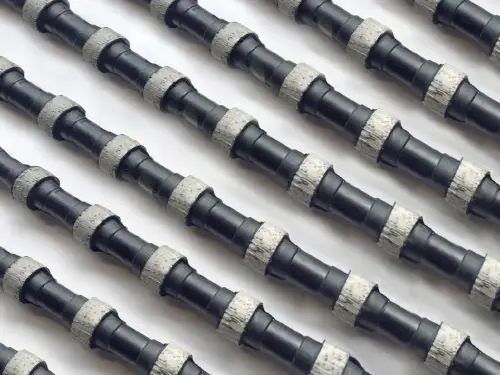
 English