






 中文
中文 Italian
 Türkçe
 Português
 Español
 Deutsch
 العربية
 Tiếng Việt
 Français
 Русский
 한국어
한국어


Ms.Lizzy
Hi, this is Lizzy from Dinosaw ( Not a Robot ). Which Machine ( model ) do you want? Please WhatsApp us now


Open Hours:8:30am-20:30pm

WhatsApp: +86 198-5901-3937

 Jan 4, 20265 MIN READ
 Jan 4, 20265 MIN READ
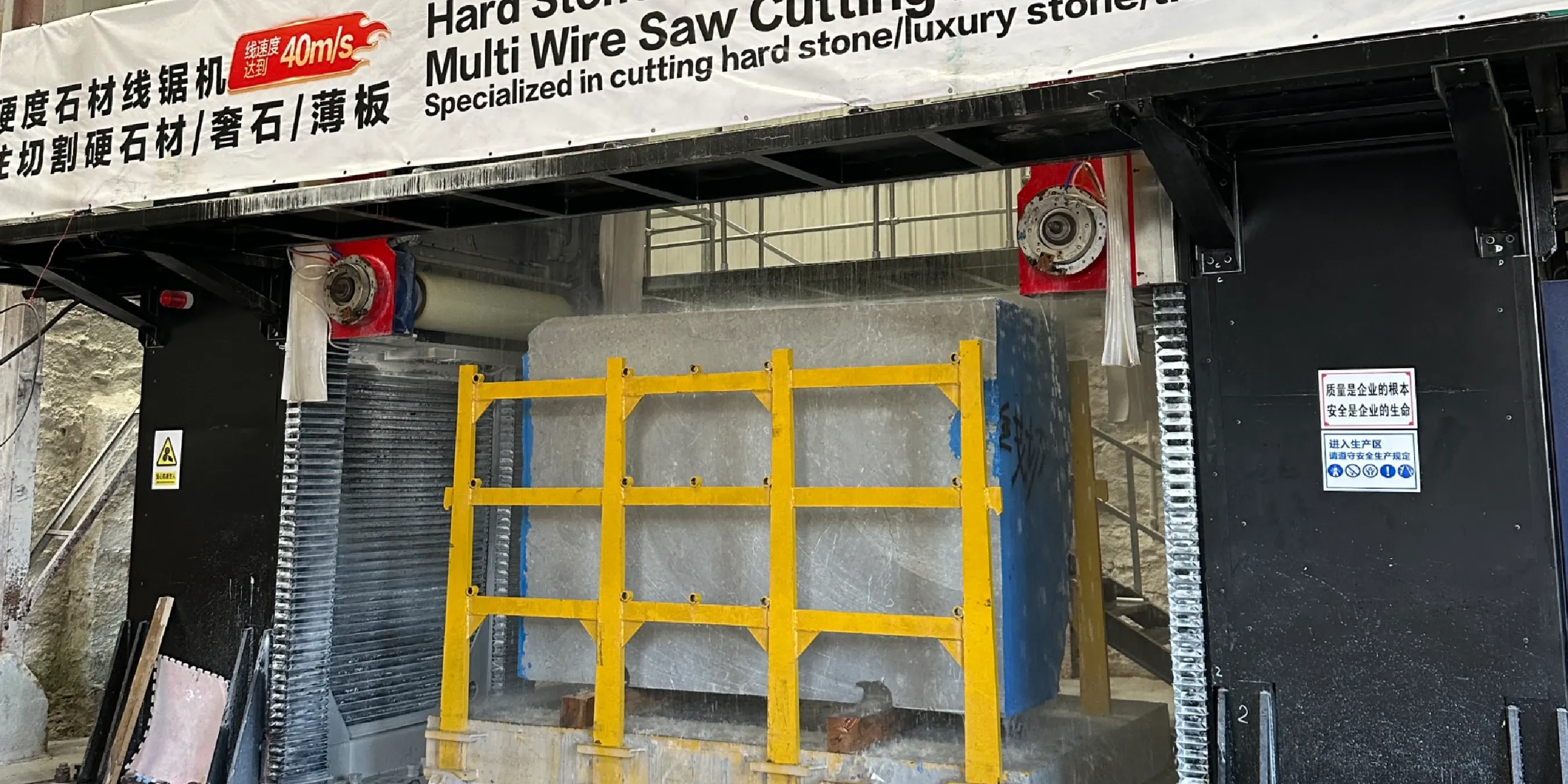
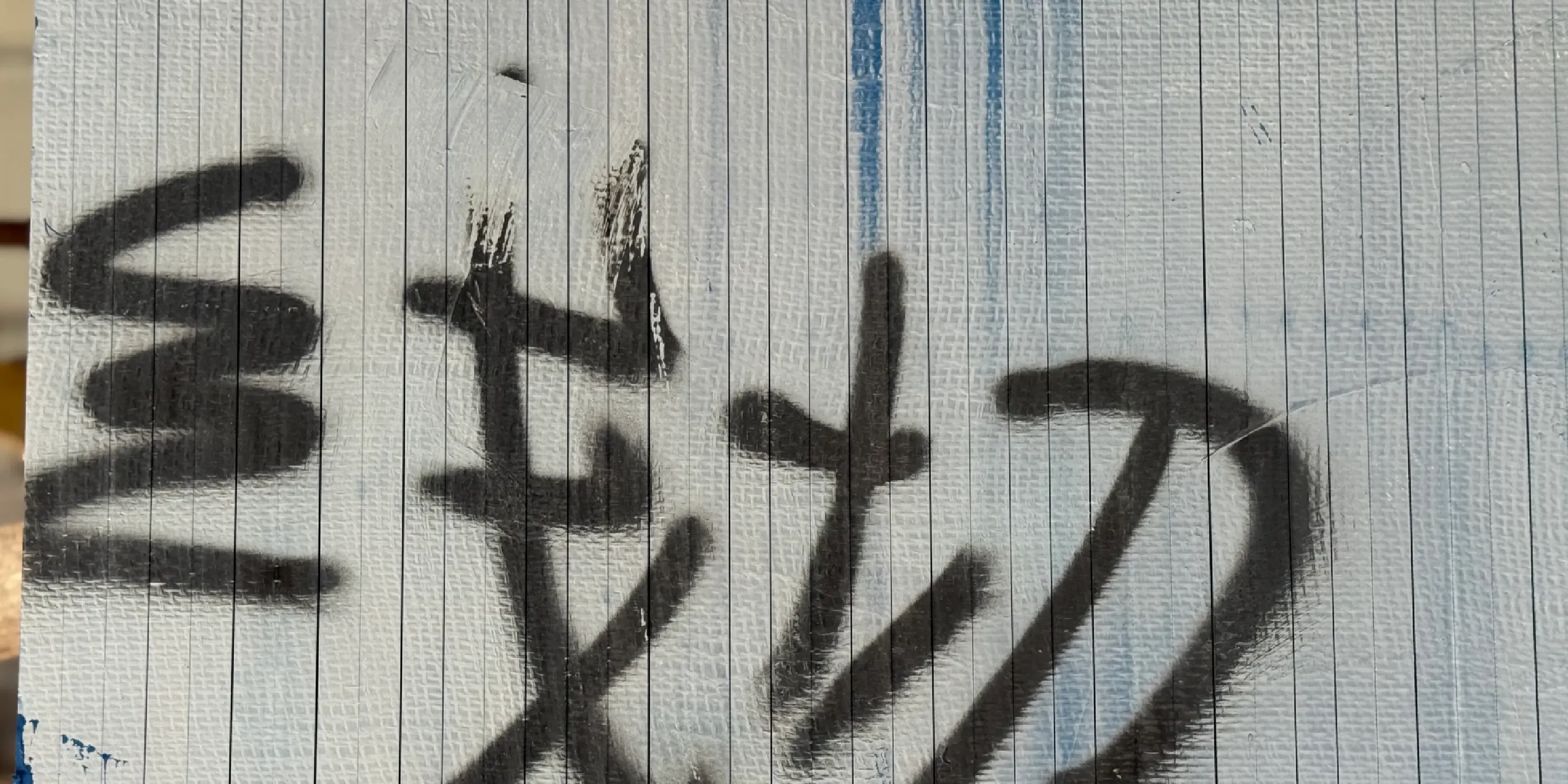
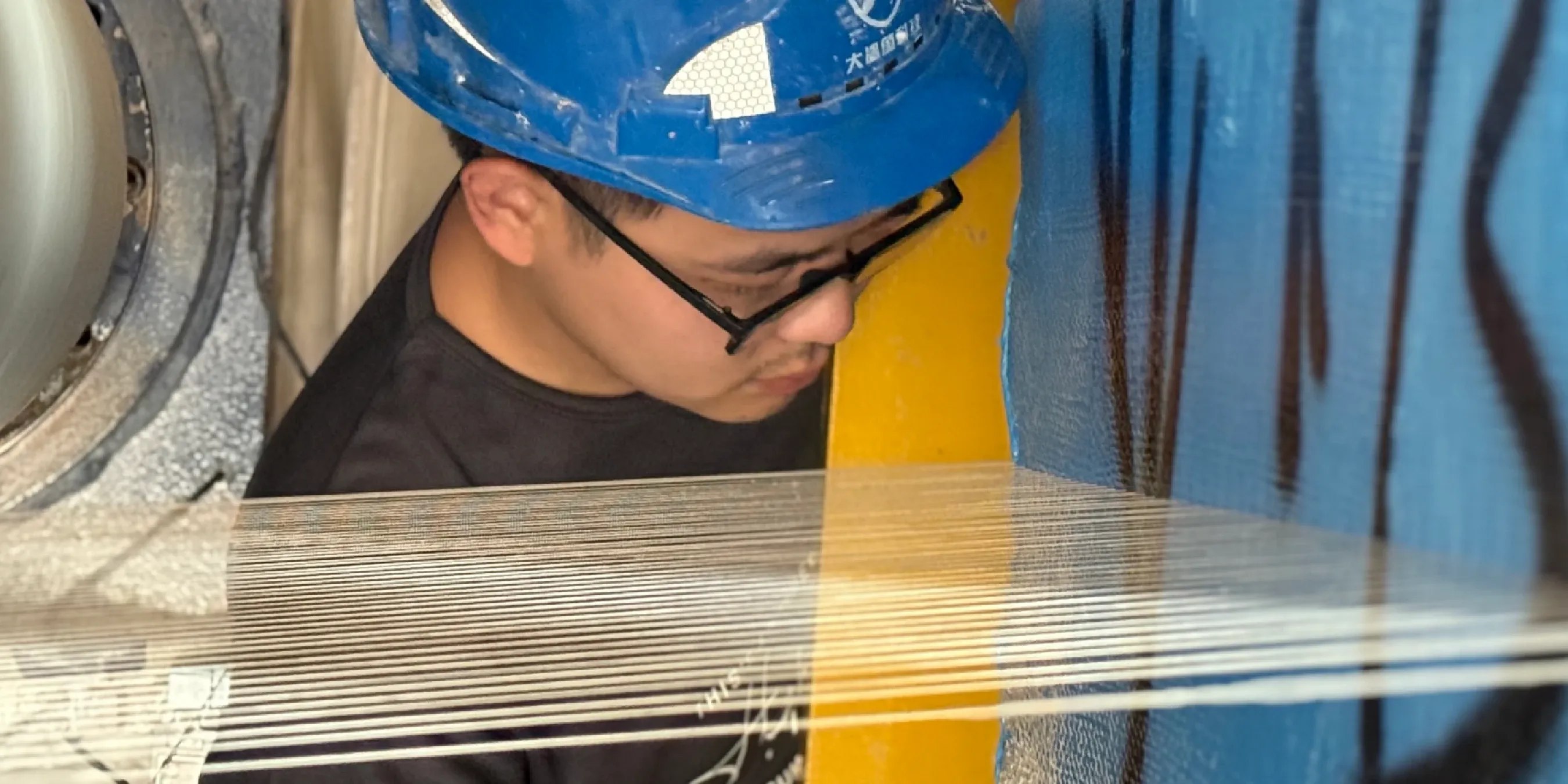
Super thin multi-wire saw case for cutting marble blocks into thin slabs, focusing on material yield, slab consistency, and downstream polishing suitability.

Case Snapshot
Material
Marble
Processing Method
Super thin multi-wire sawing
Typical Application
Thin marble slabs for interior cladding and surface finishing
Applicable Markets
Architectural stone, interior decoration, engineered stone processing
Processing Focus
Stable thin-slab slicing from marble blocks with controlled material loss
Associated Product
Dinosaw Super Thin Multi-Wire Saw Machine
Thin marble slabs are increasingly used in interior applications where weight reduction, design flexibility, and material efficiency are critical.
Instead of traditional thick slabs, processors aim to slice marble blocks into thinner sections that can later be reinforced, polished, or laminated.
This case represents a production setup where marble blocks are processed directly into uniform thin slabs, rather than first being cut into standard thickness and reprocessed later.
Producing thin marble slabs introduces challenges not typically seen in conventional block cutting:
Marble brittleness increases risk during thin slicing
Slab thickness consistency is difficult to maintain
Material loss becomes more noticeable at thinner dimensions
Slab stability during separation is harder to control
Any instability during cutting can lead to slab breakage or uneven thickness, which directly affects downstream usability.
Operators point out that marble behaves differently once thickness is reduced.
Even small variations in force or support can cause micro-cracks or slab distortion during separation.
Multiple wires distribute cutting force evenly across the block.
This makes it easier to maintain stable slicing when producing thin slabs, compared with single-blade or thicker-wire methods.
The main focus is on slab separation behavior.
Operators monitor how each slab releases from the block to ensure it remains intact and flat for handling.
Quality is judged by slab continuity and usability, not surface finish.
If slabs remain structurally sound and suitable for reinforcement or polishing, they are considered acceptable.
The marble block was positioned with full-length support to minimize stress concentration.
Cutting sequences were arranged to allow gradual separation of thin slabs.
The super thin multi-wire saw performed continuous slicing across the block, keeping force distribution balanced throughout the process.
After separation, slabs were transferred carefully for reinforcement and surface finishing.
Thin marble slabs were separated cleanly with consistent thickness.
Material loss remained controlled across the block.
Slabs maintained sufficient integrity for downstream reinforcement and polishing.
The process supported stable thin-slab production without excessive breakage.
This case is relevant if you are handling:
Marble blocks intended for thin slab production
Interior stone projects requiring reduced slab thickness
Applications where material yield is a priority
Production lines preparing slabs for reinforcement or lamination
If your focus is efficiently converting marble blocks into usable thin slabs, this case reflects a practical and proven processing approach.
 English
Get A Easy Solution
Chat Online
Hi, this is Lizzy from Dinosaw ( Not a Robot ). Which Machine ( model ) do you want? Please WhatsApp us now
Hello 👋 How can we help?