



 中文
中文 Italian
 Türkçe
 Português
 Español
 Deutsch
 العربية
 Tiếng Việt
 Français
 Русский
 한국어
한국어


Ms.Lizzy
Hi, this is Lizzy from Dinosaw ( Not a Robot ). Which Machine ( model ) do you want? Please WhatsApp us now


Open Hours:8:30am-20:30pm

WhatsApp: +86 198-5901-3937

 Dec 18, 20245 MIN READ
 Dec 18, 20245 MIN READ
Refractory brick arc cutting case study using a CNC wire saw machine, showing controlled curved cutting of refractory shapes for high-temperature industrial applications.
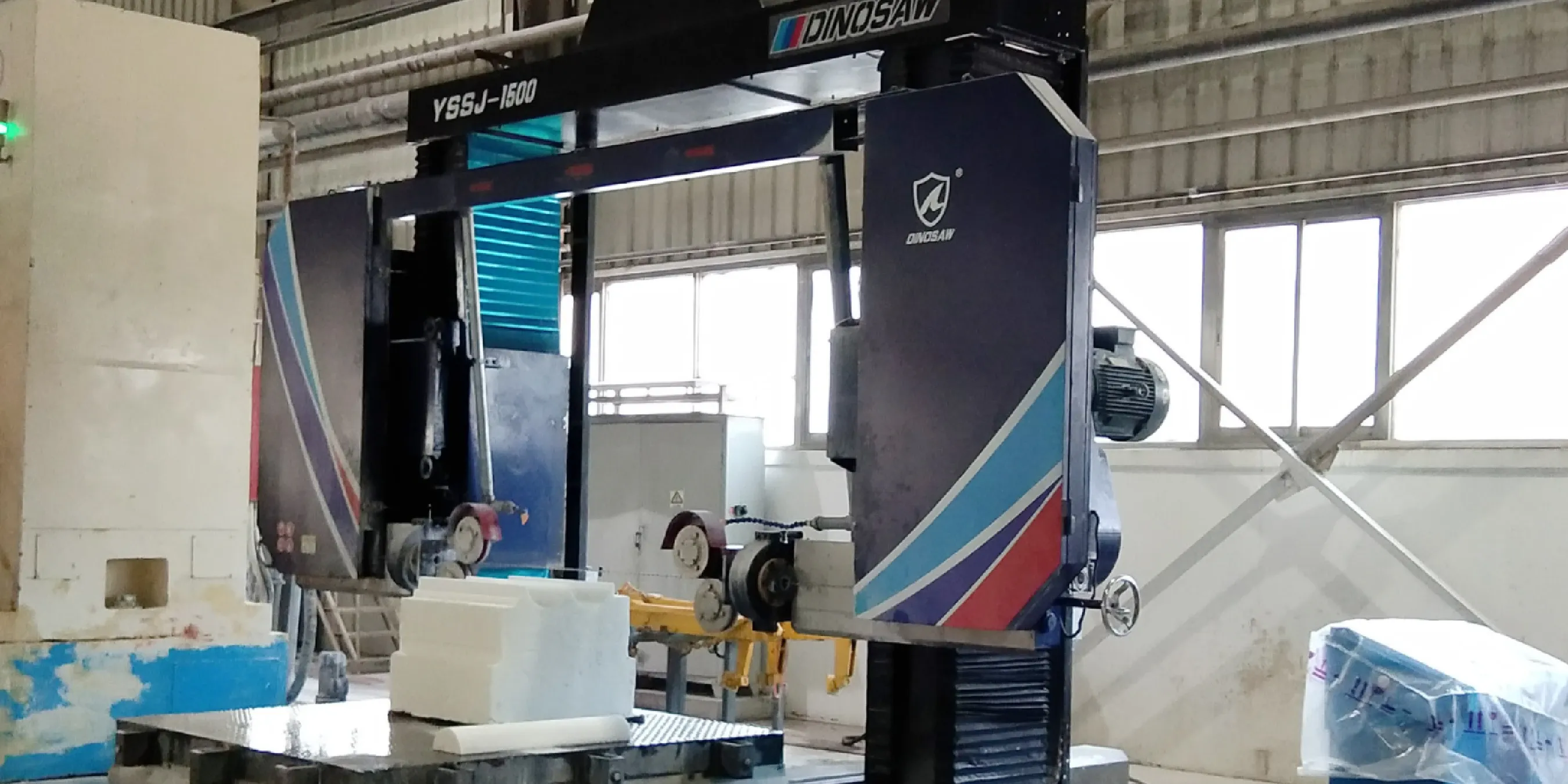
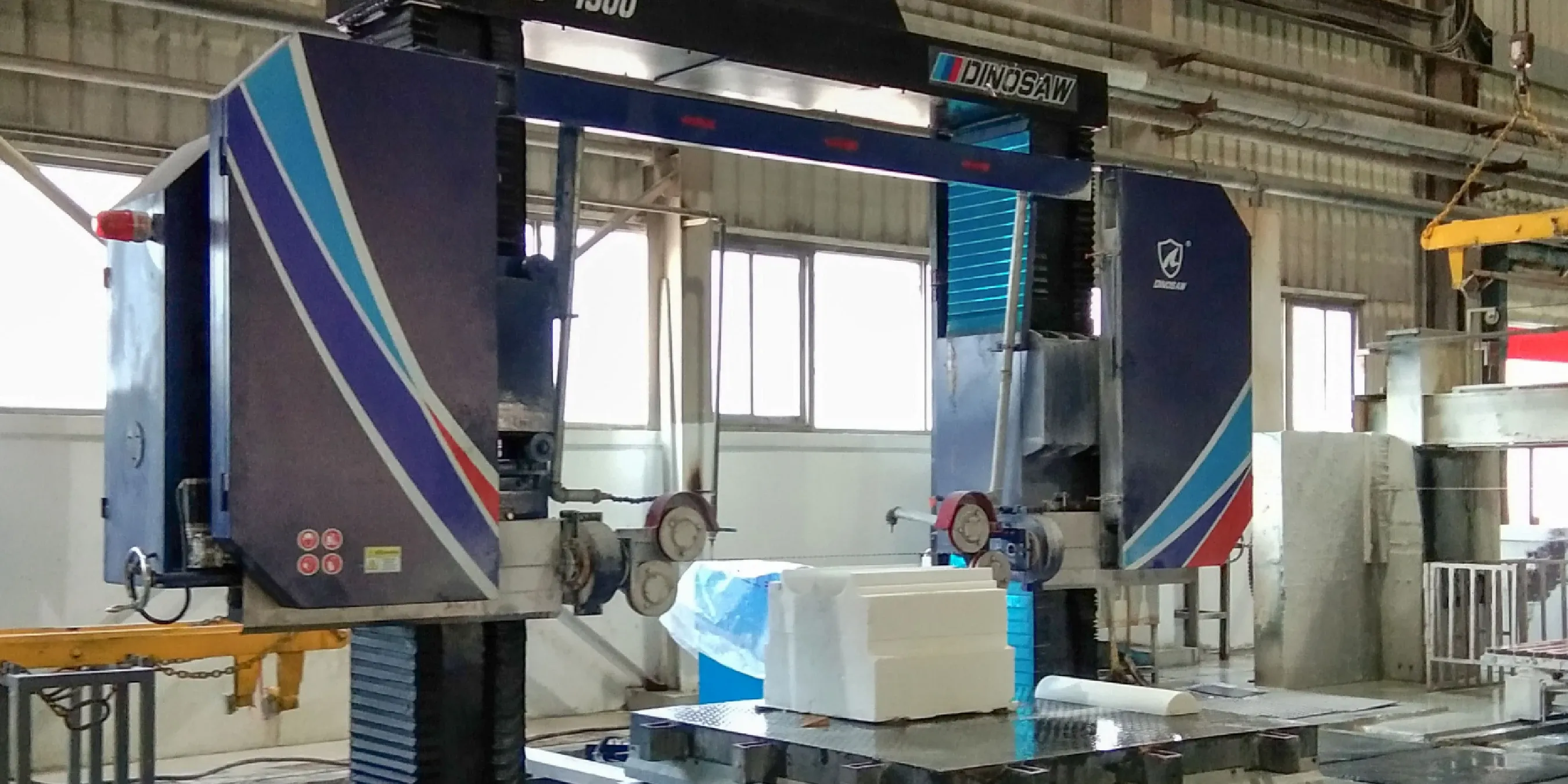
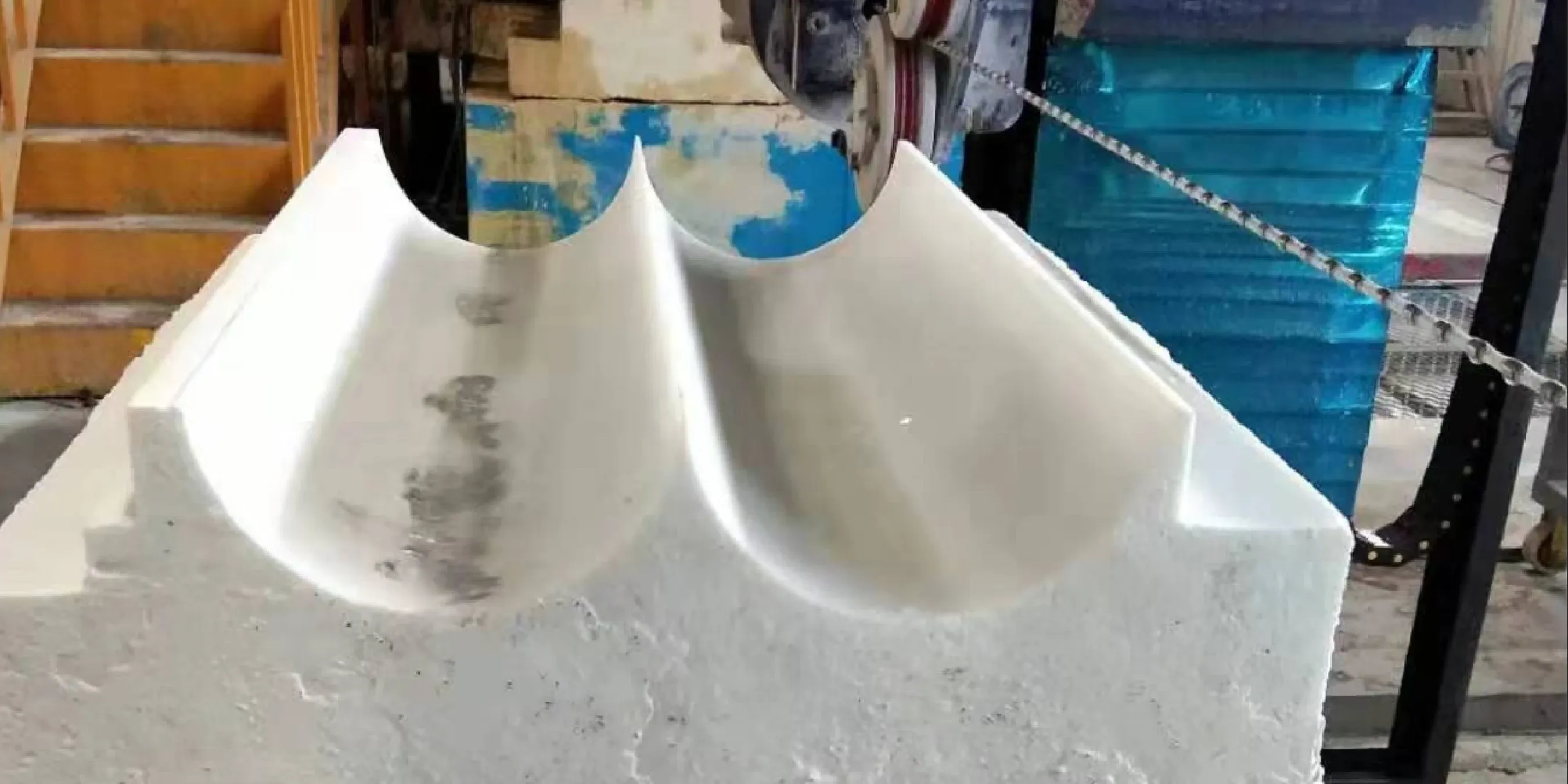
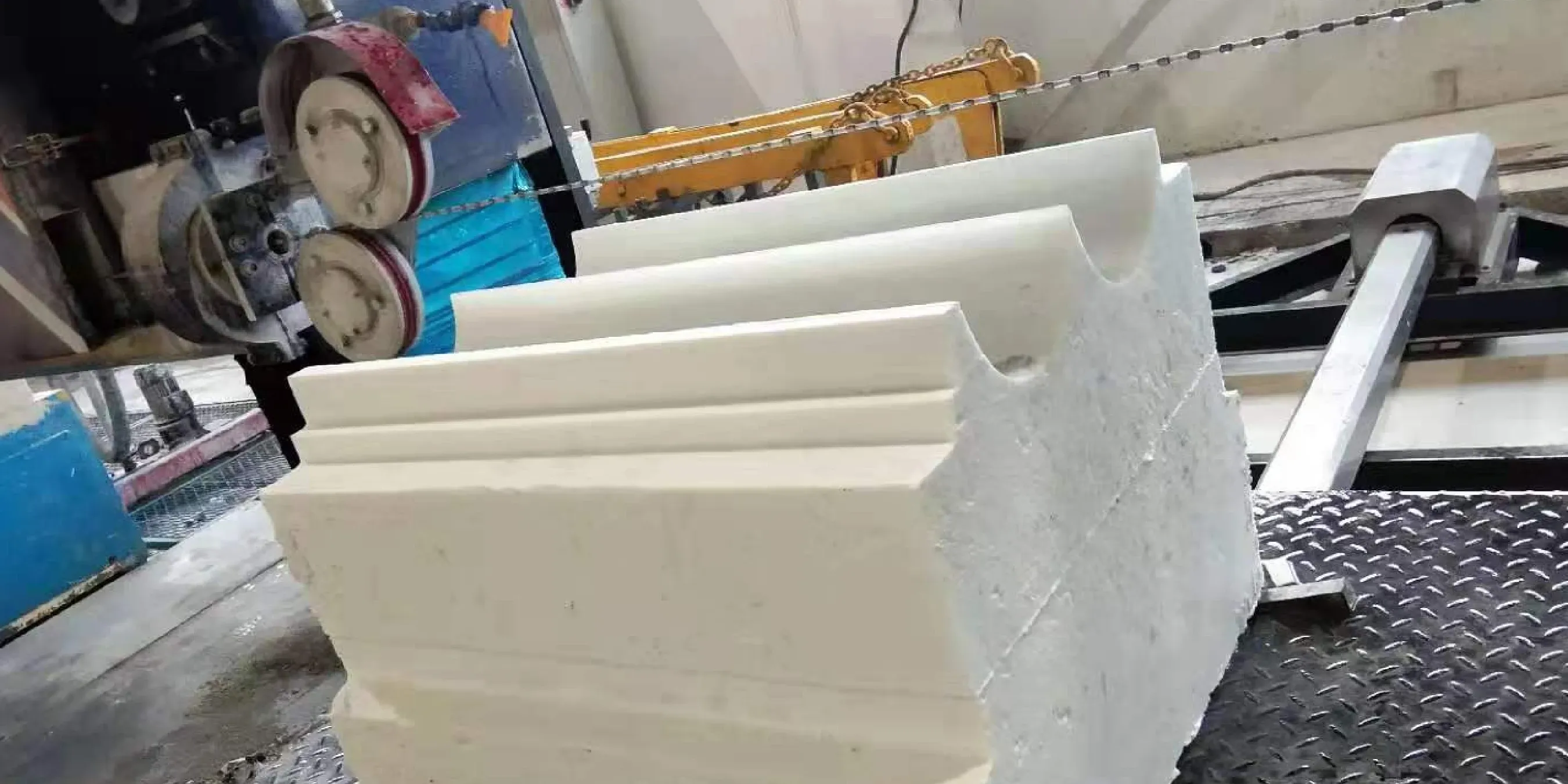
Case Snapshot
Material
Refractory brick
Processing Method
CNC wire saw cutting
Typical Application
Curved refractory brick segments for furnaces, kilns, and high-temperature linings
Applicable Markets
Industrial refractory fabrication, kiln construction, heavy engineering ceramics
Processing Focus
Accurate arc cutting and surface continuity on brittle refractory materials
Associated Product
Dinosaw CNC wire saw machine
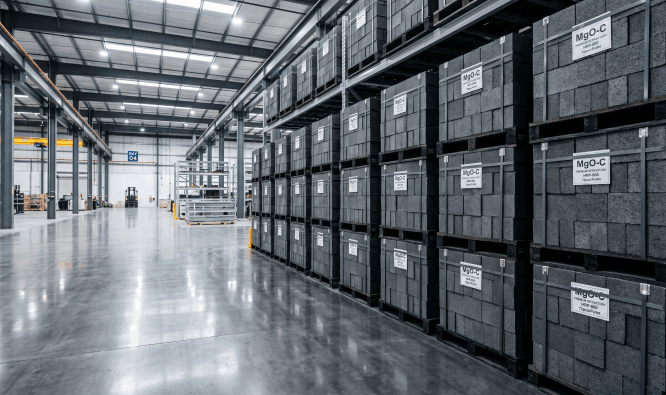
Refractory bricks are engineered materials used for high-temperature linings in furnaces, kilns, incinerators, and similar thermal processing equipment.
Compared with common masonry bricks, refractory bricks combine high heat resistance with brittleness, making geometric accuracy and edge condition critical for assembly and thermal performance.
In many industrial fabrication workflows, refractory components are not simple straight blocks.
Curved segments are often necessary to form circular or tapered linings.
Cutting these shapes must maintain consistent radius and surface condition to ensure tight joints and long service life at elevated temperatures.
Refractory brick cutting introduces a set of challenges rarely encountered in softer or less brittle materials:
Material brittleness: Refractory bricks are prone to micro-fractures and edge breakouts if cutting forces are uneven.
Complex profiles: Arc segments require changing direction and depth during cutting.
Surface integrity: Uneven surface or chipping can compromise fit and joint sealing.
Batch consistency: Pieces intended to form a circular or transition arc must share identical curvature.
In unsophisticated setups, operators often see rough edges and inconsistent radii, leading to fitment adjustments and rework in assembly.
In practice, operators say the material doesn’t tolerate shock or vibration.
Refractory brick behaves differently from stone; it crumbles if the cutting motion isn’t smooth and controlled.
When shapes curve, every transition in direction becomes a risk point for chip-offs or internal cracking.
CNC wire saw machines provide controlled, continuous cutting motion that adapts to curved paths.
Unlike rigid blade systems, the wire maintains uniform contact along the desired shape.
For refractory arc segments, this reduces the chance of edge breakouts and helps achieve consistent radius across pieces.
Operators pay close attention to wire tension and feed rate.
Because the material is brittle, too much force at any given point can cause localized damage.
They also monitor how the cut surface looks as the wire progresses through the arc, adjusting feed or support if irregular behavior appears.
Quality is judged by how well components fit in dry assembly.
Arc segments are placed together to check continuity of curvature and to observe edge condition.
If joints appear tight and surfaces free of chipping, the cut meets workshop standards for refractory brick assembly.
Refractory bricks were positioned and supported to prevent any movement during machining.
The CNC wire saw machine was programmed with the arc geometry and cut parameters appropriate for refractory brittleness.
Cutting was performed with controlled wire feed and tension to maintain smooth motion through curves.
After cutting, arc segments were visually inspected before dry assembly checks and subsequent packaging or transfer to kiln lining operations.
Finished refractory arc segments displayed consistent radius and surface continuity.
Edges were free of significant chipping and micro-fractures, supporting predictable joint sealing.
Multiple segments from the same batch aligned well in mock assembly without the need for reshaping or adjustment.
The process fit naturally into routine refractory fabrication workflows for industrial applications.
If you are producing refractory brick segments with curved geometry,
if your projects require consistent arc radii and clean surface condition for high-temperature installations,
if minimizing onsite adjustment and rework matters in assembly quality,
this case reflects a practical refractory brick arc cutting scenario commonly encountered in industrial stone and ceramics workshops.
 English
Get A Easy Solution
Chat Online
Hi, this is Lizzy from Dinosaw ( Not a Robot ). Which Machine ( model ) do you want? Please WhatsApp us now
Hello 👋 How can we help?