


 中文
中文 Italian
 Türkçe
 Português
 Español
 Deutsch
 العربية
 Tiếng Việt
 Français
 Русский
 한국어
한국어


Ms.Lizzy
Hi, this is Lizzy from Dinosaw ( Not a Robot ). Which Machine ( model ) do you want? Please WhatsApp us now


Open Hours:8:30am-20:30pm

WhatsApp: +86 198-5901-3937

 Dec 22, 20245 MIN READ
 Dec 22, 20245 MIN READ
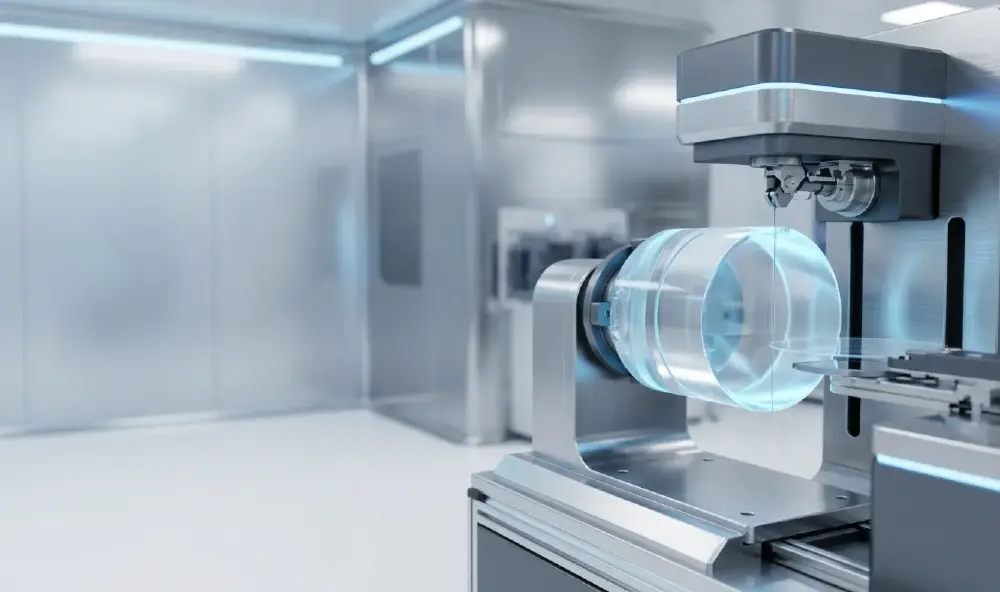
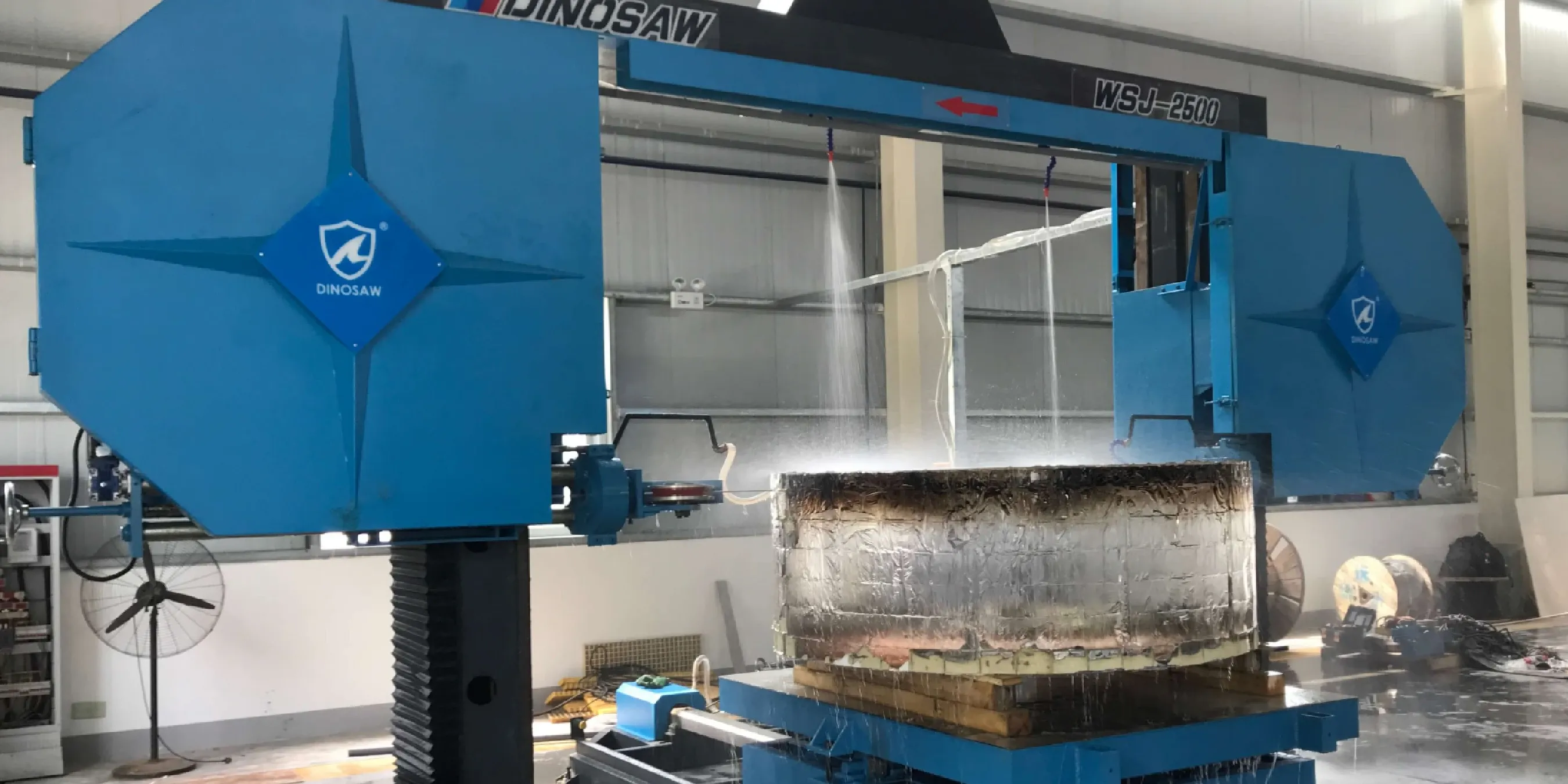
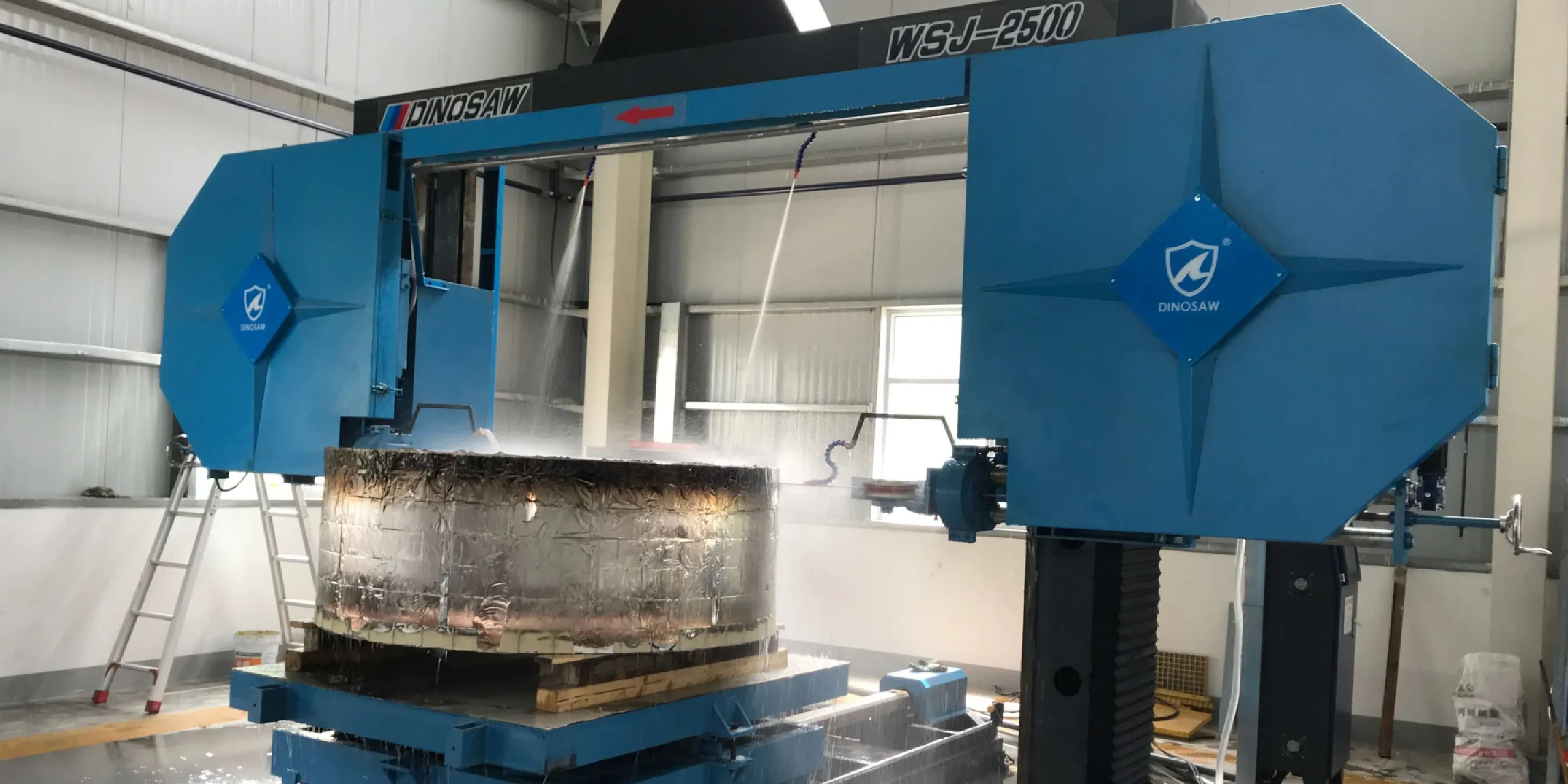
Quartz glass ingot cutting case study using a CNC wire saw machine, focusing on precise slicing of large cylindrical quartz blanks with minimal surface damage.
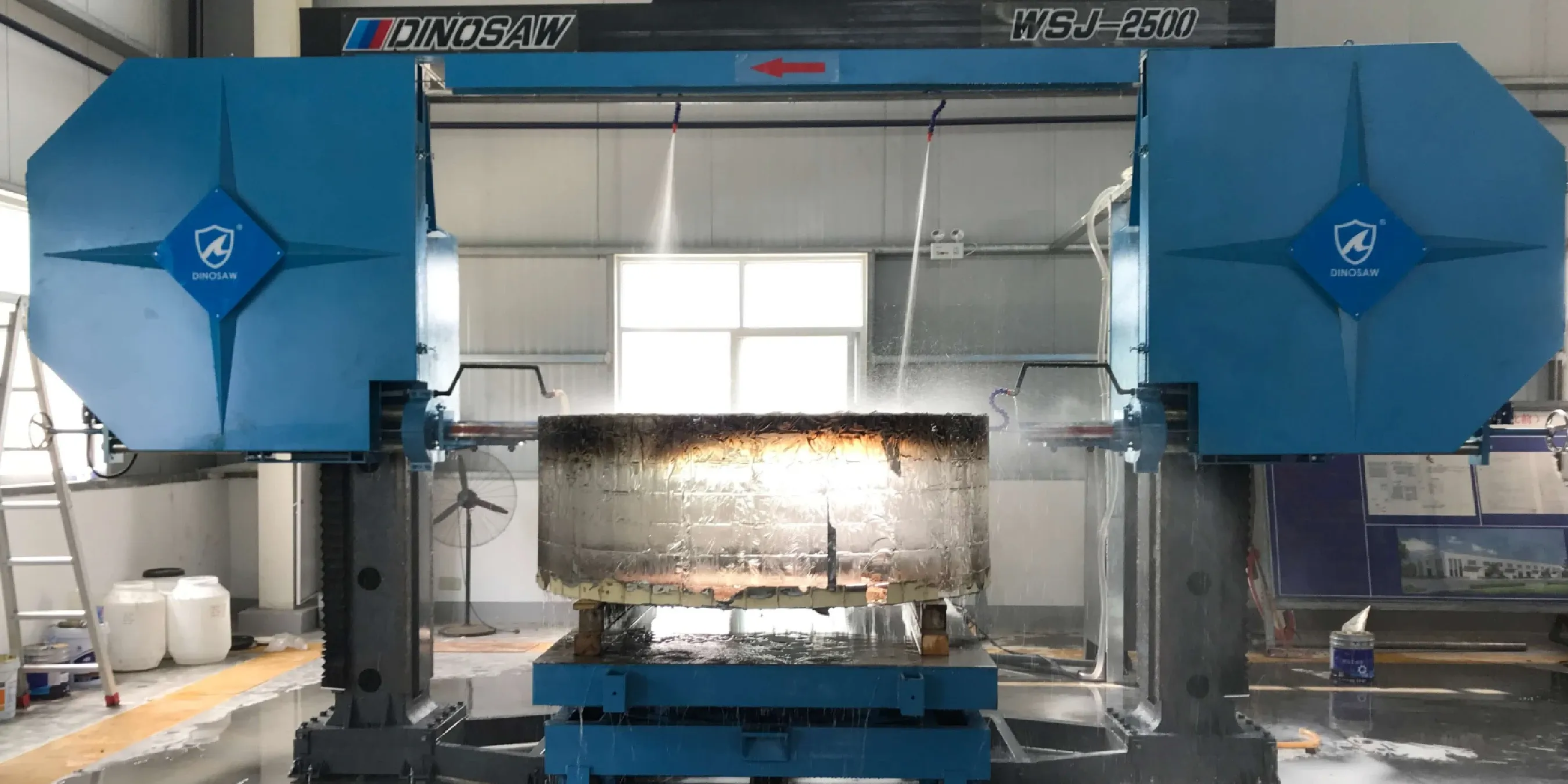
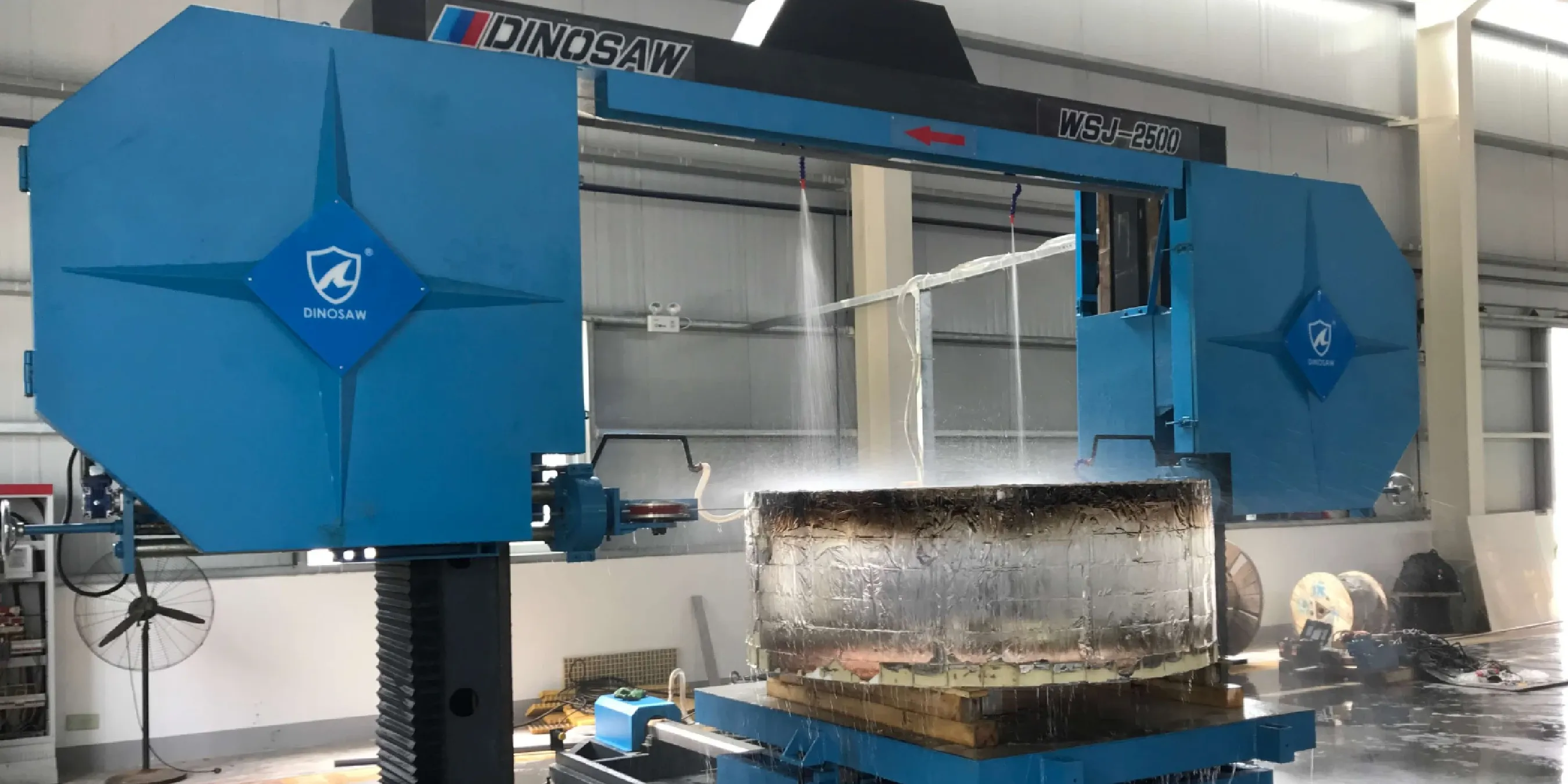
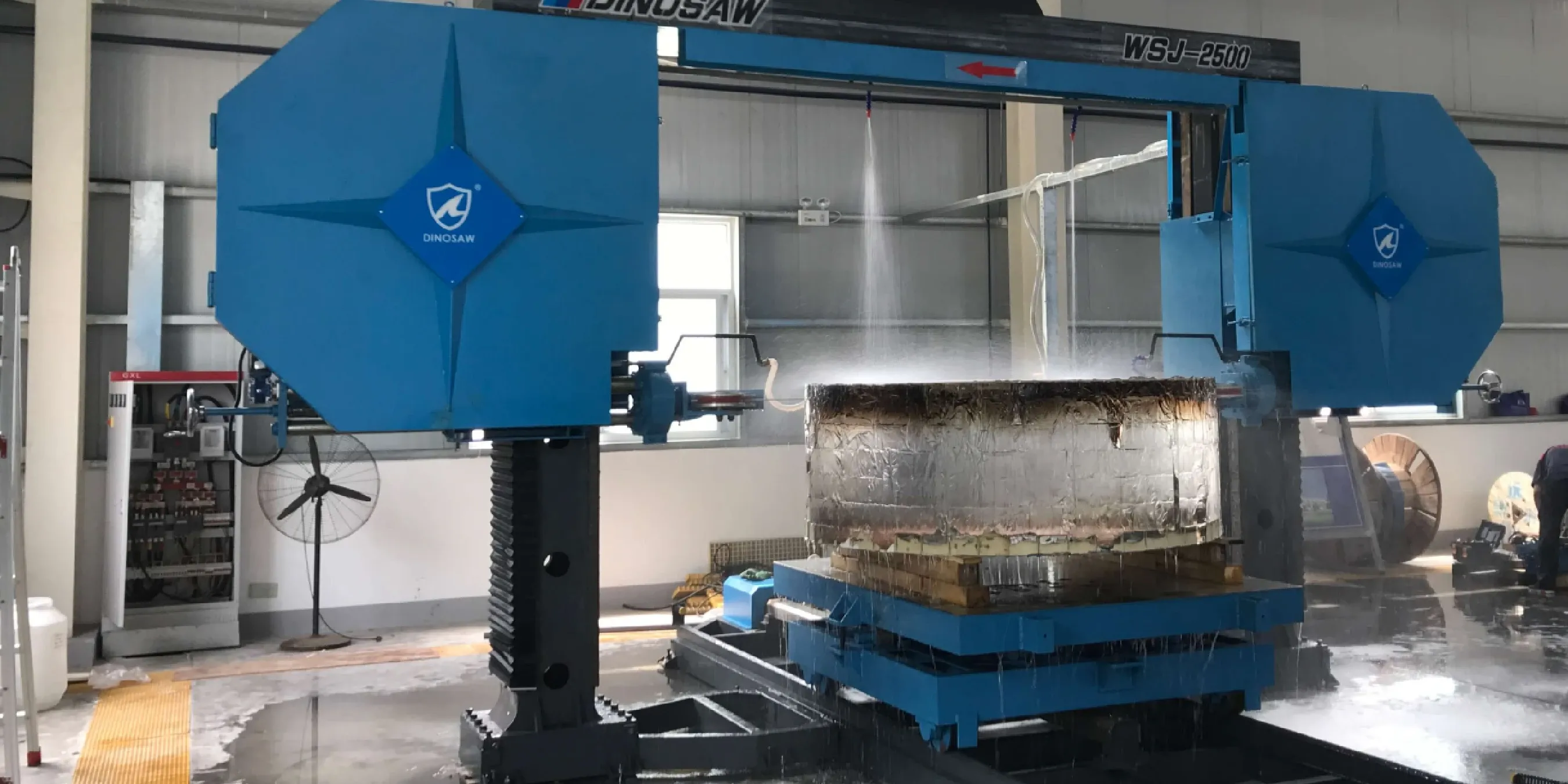
Case Snapshot
Material
Quartz glass (fused quartz)
Workpiece Form
Cylindrical quartz glass ingot / round blank
Processing Method
CNC wire saw cutting
Typical Application
Quartz glass ingot slicing for downstream machining, optical, semiconductor, and industrial components
Processing Focus
Crack prevention, surface integrity, dimensional stability
Associated Product
Dinosaw CNC Diamond Wire Saw Machine
Quartz glass ingots are widely used as base material for high-precision industrial components, including optical parts, semiconductor consumables, and thermal-resistant elements.
Unlike natural stone, fused quartz is hard, brittle, and extremely sensitive to cutting stress, making the initial ingot slicing stage critical for overall yield.
Large-diameter cylindrical ingots require stable, low-vibration cutting to avoid internal micro-cracks that may not be visible immediately but cause failures in later processing.
From the workshop perspective, quartz glass ingot cutting presents several well-known challenges:
High brittleness: Even small mechanical shocks can initiate cracks
Internal stress sensitivity: Uneven cutting forces can lead to delayed fractures
Surface integrity requirements: Excessive chipping increases grinding workload
Large cross-section size: Thick ingots demand stable long-duration cutting
Traditional blade cutting often introduces localized stress at the cutting edge, which is difficult to control on large cylindrical quartz blanks.
Operators point out that quartz glass behaves very differently from stone.
It does not tolerate intermittent contact or aggressive feed.
Any sudden load change can propagate cracks through the ingot, sometimes only becoming visible after further machining.
A CNC wire saw machine applies continuous, uniform cutting force around the entire cutting path.
The diamond wire gradually removes material instead of forcing a rigid blade through the ingot, significantly reducing stress concentration inside the quartz glass.
Operators closely monitor wire tension stability, feed rate, and coolant flow.
Cutting speed is deliberately controlled to maintain smooth material removal and consistent thermal conditions, especially on large-diameter ingots where cutting time is long.
Quality is evaluated by checking:
Absence of visible cracks or edge chipping
Flatness and dimensional consistency of sliced sections
Surface condition suitable for downstream grinding or polishing
If the sliced blanks remain structurally stable after cutting and handling, the process is considered successful.
The quartz glass ingot was securely positioned on the machine table with proper support to avoid vibration.
The CNC wire saw machine was programmed for controlled feed and stable wire tension suitable for fused quartz.
Cutting proceeded in a continuous motion, allowing the wire to pass smoothly through the cylindrical ingot.
Cooling water was applied consistently to manage temperature and remove cutting debris.
The sliced quartz glass blanks showed clean separation with minimal edge damage.
No visible cracking was observed during or after cutting.
Dimensional accuracy met downstream processing requirements, reducing rework and scrap risk.
The cutting process proved stable for large-size quartz ingots in continuous operation.
This case is relevant if you are working with:
Quartz glass or fused quartz ingots
Large-diameter cylindrical blanks
Brittle materials requiring low-stress cutting
High-value components where yield and integrity matter
If your priority is stable slicing without hidden damage, this cutting approach reflects a practical solution used in real production environments.
 English
Get A Easy Solution
Chat Online
Hi, this is Lizzy from Dinosaw ( Not a Robot ). Which Machine ( model ) do you want? Please WhatsApp us now
Hello 👋 How can we help?